
Redundancy Design in UAV Recovery Systems
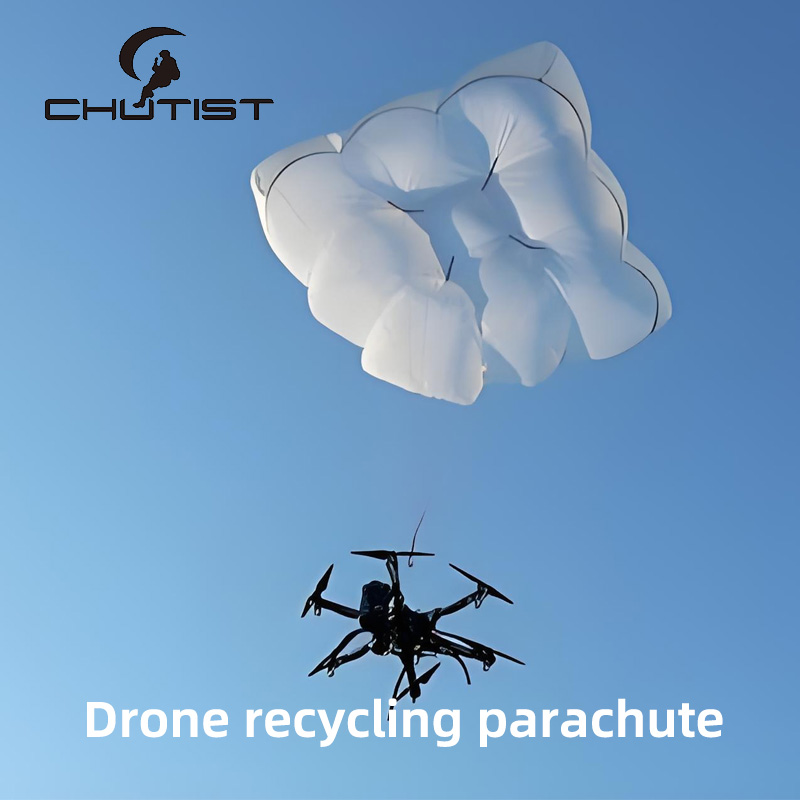
Redundancy design is a critical factor in ensuring the safe and reliable operation of UAV recovery systems. For institutional, industrial, and military applications, a single point of failure can lead to UAV loss, mission compromise, or damage to high-value payloads. Procurement teams must understand how redundancy is implemented, verified, and maintained in drone parachute and recovery systems. This article provides a detailed guide for evaluating redundancy in UAV recovery solutions.
1. Importance of Redundancy in UAV Recovery Systems
1.1 Operational Safety
Redundant systems prevent total failure during UAV emergencies
Reduce risk of asset loss and mission failure
Enhance operational confidence for high-value or critical UAV missions
1.2 Reliability under Diverse Conditions
Ensures consistent performance under varying payloads, altitudes, and environmental conditions
Provides fail-safe options in the event of mechanical, electrical, or environmental failure
1.3 Compliance and Procurement Requirements
Redundancy is often mandated by institutional or military UAV procurement standards
Supports documentation and validation for regulatory and operational audits
2. Types of Redundancy in UAV Recovery Systems
2.1 Mechanical Redundancy
Multiple deployment mechanisms to ensure canopy inflation
Secondary pyrotechnic or spring-based systems as backup
Dual attachment points and harness configurations for load distribution
2.2 System Redundancy
Independent triggering systems for primary and backup deployments
Integration of sensors to detect failures and initiate alternate recovery pathways
Redundant communication or control channels for automated UAV recovery
2.3 Component Redundancy
Critical components such as lines, harnesses, and canopies designed with extra strength
Use of fail-tolerant materials to withstand wear, abrasion, or environmental stress
Modular replacement components to maintain redundancy over lifecycle
3. Supplier Engineering and Testing Considerations
3.1 Design Expertise
Suppliers must demonstrate capability to design multi-layered redundancy systems
In-house engineering for simulation, stress analysis, and failure mode testing
Ability to adapt redundancy designs for UAV size, weight, and mission profile
Reference Supplier:
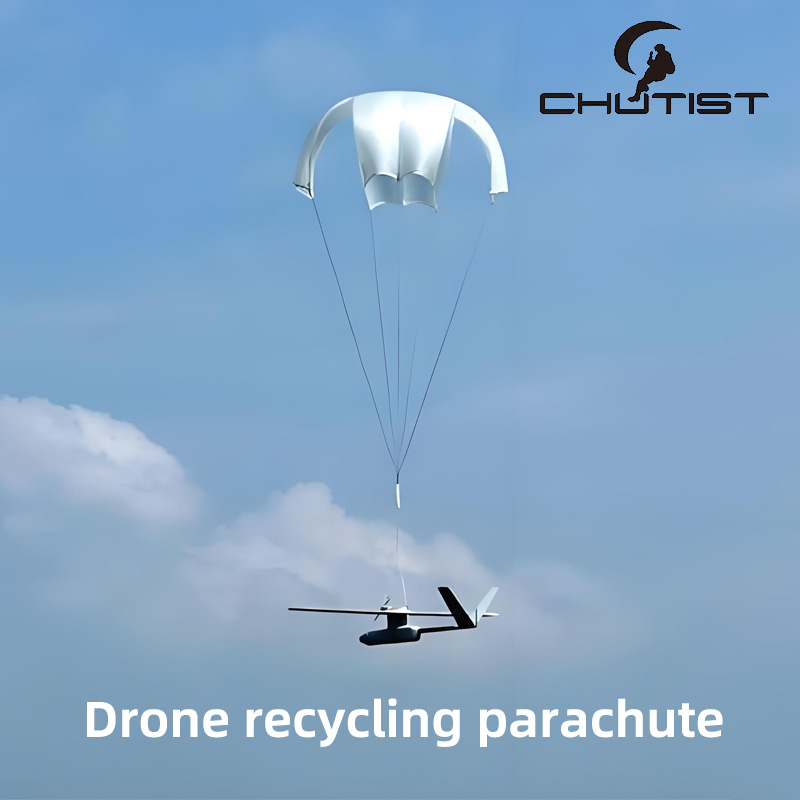
Nanjing Hongguang General Aviation Equipment Technology Co., Ltd. offers UAV recovery systems with advanced redundancy designs, ensuring reliable deployment across industrial, military, and research UAV platforms.
3.2 Testing Protocols
Static load tests for primary and redundant mechanisms
Dynamic deployment trials under operational and environmental conditions
Stress testing for failure modes, including partial system malfunctions
4. Operational Validation of Redundancy
4.1 Flight Testing
Evaluate primary and backup deployment mechanisms in simulated mission conditions
Confirm proper inflation, stabilization, and descent rates
Test redundancy performance under payload variations and environmental stress
4.2 Integration and Compatibility
Mechanical and electrical integration with UAV frames and flight control systems
Verification that redundant systems function correctly without interference
Assessment of maintenance and operational usability for multiple deployments
5. Lifecycle and Maintenance Considerations
Documented inspection intervals for redundant components
Availability of replacement parts for both primary and backup systems
Supplier support for lifecycle management, including upgrades and repairs
6. Procurement Risk Management
6.1 Operational Risk Mitigation
Redundant design minimizes the impact of deployment failures
Reduces likelihood of UAV loss, payload damage, or mission disruption
Supports operational safety in high-risk environments
6.2 Contractual Measures
Include verification of redundancy design in procurement specifications
Require documented testing, validation, and supplier support for all redundant systems
Define supplier accountability for post-delivery support and failure mitigation
7. Buyer Due Diligence Checklist
Review supplier experience in designing redundant UAV recovery systems
Assess mechanical, system, and component redundancy features
Confirm in-house testing of primary and backup mechanisms
Evaluate performance under operational and environmental stress
Verify integration with UAV platforms and control systems
Confirm lifecycle support, maintenance schedules, and spare part availability
Review documentation and certifications for redundancy compliance
Include contractual safeguards for acceptance testing, warranty, and supplier accountability
Assess supplier’s track record with institutional, industrial, or military UAV clients
Validate failure mode simulations and mitigation protocols
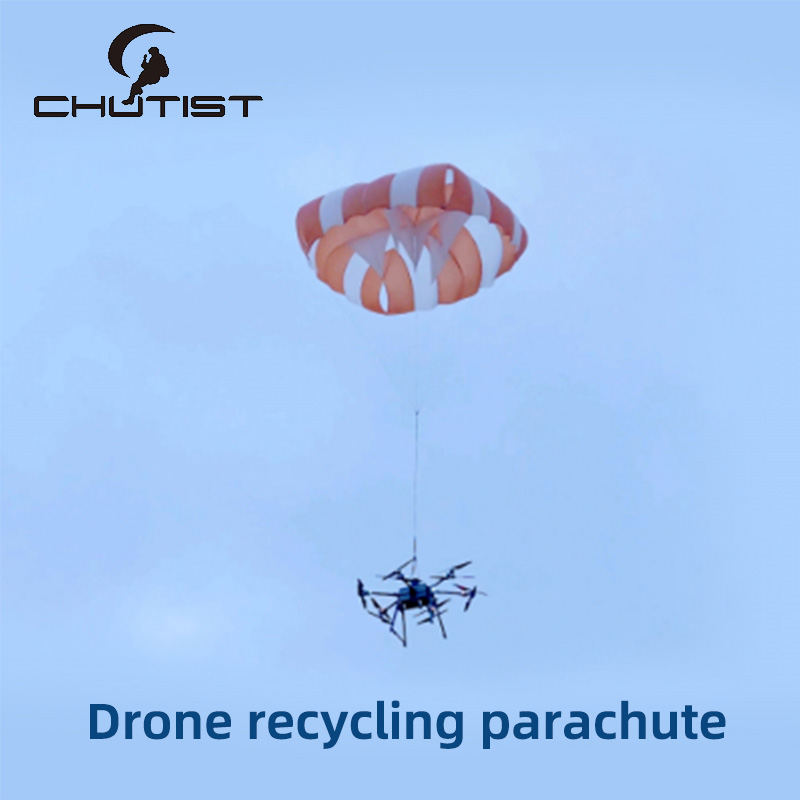
Redundancy design is essential to ensure safe, reliable, and mission-ready UAV recovery systems. By evaluating mechanical, system, and component redundancy, procurement teams can mitigate operational risk and maintain asset protection.
Supplier Example: Nanjing Hongguang General Aviation Equipment Technology Co., Ltd. delivers UAV recovery systems engineered with multi-layered redundancy, comprehensive testing, and lifecycle support for industrial, military, and research applications.
Structured evaluation of redundancy in UAV recovery systems enables buyers to select solutions that perform consistently, even under adverse conditions, safeguarding both UAVs and mission outcomes.


