
Travel Bag vs Hiking Backpack: Key Differences Explained

Travel bags and hiking backpacks may look similar at first glance, but they are designed for very different purposes. In 2025, as travel styles diversify and outdoor activities become more specialized, choosing the wrong type of bag can directly affect comfort, efficiency, and even safety.
This article clearly explains the key differences between travel bags and hiking backpacks, helping you choose the right option based on use scenario, load requirements, and long-term performance.
Core Design Philosophy: Travel vs Outdoor Function
The fundamental difference lies in design intent.
Travel bags are built for convenience, organization, and transport efficiency.
Hiking backpacks are engineered for load stability, body ergonomics, and performance in outdoor environments.
Understanding this distinction helps avoid common buying mistakes.
Capacity and Load Structure
Travel Bag Capacity Characteristics
Travel bags typically focus on:
Optimized space for clothing and personal items
Rectangular or semi-rigid shapes
Easy packing and unpacking
They are designed to sit:
In car trunks
On luggage racks
In overhead compartments
Weight distribution is less critical because the bag is not meant to be carried for long periods.
Hiking Backpack Capacity Characteristics
Hiking backpacks prioritize:
Vertical load alignment
Balanced weight distribution
Stability during movement
Capacity is designed around:
Gear weight rather than volume alone
Multi-day or long-duration carry
Compatibility with outdoor equipment
A hiking backpack’s structure supports the human body, not just storage.
Carrying System and Ergonomics
Travel Bag Carrying Design
Most travel bags use:
Simple shoulder straps or handles
Minimal back support
Basic padding
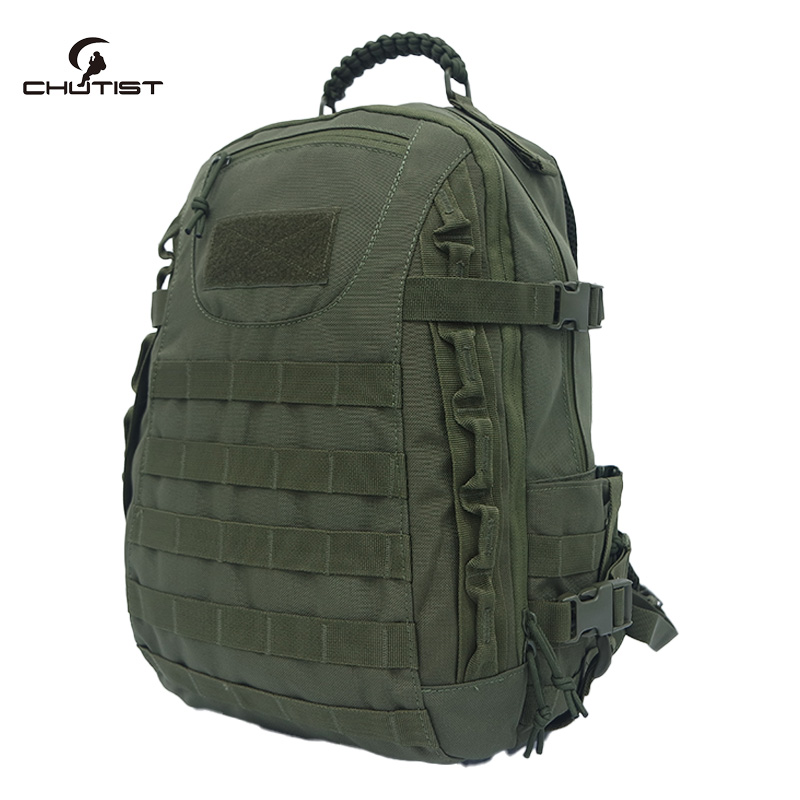
They are suitable for:
Short-distance carrying
Airports, hotels, and urban transport
Comfort over long walking distances is not a primary concern.
Hiking Backpack Carrying System
Hiking backpacks are built with:
Ergonomic shoulder straps
Padded hip belts
Adjustable back panels
Load-lifter straps
These systems:
Transfer weight from shoulders to hips
Reduce fatigue
Improve posture during long hikes
This is one of the most critical differences between the two.
Materials and Durability
Travel Bag Materials
Travel bags commonly use:
Lightweight polyester or nylon
Smooth fabrics for easy cleaning
Moderate abrasion resistance
They are optimized for:
Clean, controlled environments
Frequent handling but low friction
Durability is important, but extreme resistance is not required.
Hiking Backpack Materials
Hiking backpacks typically use:
High-denier nylon fabrics
Reinforced stitching at stress points
Abrasion- and tear-resistant materials
They must perform in:
Rough terrain
Wet or dusty conditions
Variable weather environments
Material choice directly impacts safety and longevity.
Weather Resistance and Environmental Adaptability
Travel Bag Environment Suitability
Travel bags are best suited for:
Indoor or urban environments
Controlled climates
Limited exposure to rain or dirt
Some models include basic water resistance, but this is not their primary function.
Hiking Backpack Environmental Performance
Hiking backpacks are designed to:
Handle rain, mud, and dust
Protect gear in unpredictable weather
Maintain performance in outdoor conditions
Features may include:
Water-resistant fabrics
Drainage systems
Protective covers
Environmental adaptability is a core requirement.
Organization and Accessibility
Travel Bag Organization
Travel bags emphasize:
Clothing compartments
Zippered pockets
Laptop or document sleeves
They are ideal for:
Structured packing
Fast access in hotels or transit
Organization focuses on lifestyle convenience.
Hiking Backpack Organization
Hiking backpacks prioritize:
Functional gear separation
Easy access while wearing the bag
Compatibility with outdoor tools
Organization is designed around activity flow, not aesthetics.
Weight and Mobility
Travel Bag Mobility
Travel bags:
Are lighter when empty
Become uncomfortable when heavily loaded
Perform best when transported rather than carried
They are ideal for rolling, lifting, and short walks.
Hiking Backpack Mobility
Hiking backpacks:
Are heavier due to structure
Remain stable under load
Allow hands-free movement
Mobility is optimized for long-distance walking and climbing.
Typical Use Scenarios
When a Travel Bag Is the Better Choice
Choose a travel bag if you:
Travel mainly by car, train, or plane
Stay in hotels or urban environments
Carry clothing and personal items
Prioritize packing efficiency
When a Hiking Backpack Is the Better Choice
Choose a hiking backpack if you:
Walk long distances with full load
Travel outdoors or on uneven terrain
Carry equipment or survival gear
Need long-term carrying comfort
Manufacturing and Quality Standards
High-quality hiking backpacks often follow stricter standards due to their performance requirements. Manufacturers with experience in aviation, outdoor, or industrial equipment apply stronger testing methods to load systems, stitching, and materials. Nanjing Hongguang General Aviation Equipment Technology Co., Ltd. applies aviation-grade material control and structural testing principles to backpack development, ensuring consistent reliability in demanding environments.
Common Buying Mistakes to Avoid
Using a travel bag for long outdoor hikes
Choosing based on appearance rather than structure
Ignoring carrying system quality
Overestimating comfort without testing load distribution
The wrong choice can lead to fatigue, discomfort, and reduced efficiency.
Travel Bag vs Hiking Backpack: Quick Comparison
| Feature | Travel Bag | Hiking Backpack |
|---|---|---|
| Primary Use | Urban & transit | Outdoor & long carry |
| Carry Comfort | Short duration | Long duration |
| Load Distribution | Minimal | Advanced |
| Materials | Lightweight | Heavy-duty |
| Weather Resistance | Basic | High |

Travel bags and hiking backpacks serve fundamentally different purposes. While both are essential in modern travel and outdoor lifestyles, choosing the right one depends on how, where, and how long you carry your gear.
In 2025, understanding these differences helps users, buyers, and businesses make smarter decisions—improving comfort, efficiency, and long-term value.


