
How to Choose a Sports Backpack for Training

Selecting the right sports backpack for training is essential for athletes, outdoor enthusiasts, and professionals in tactical or extreme sports. A well-chosen backpack enhances comfort, load management, durability, and performance. Understanding key design features, material quality, and ergonomics ensures that the backpack meets specific training needs.
Step 1: Determine Training Requirements
Activity type: Running, climbing, cycling, tactical training, or mixed activities
Load size: Minimal gear for cardio training vs heavier equipment for strength or endurance sessions
Duration: Short daily workouts or multi-hour training sessions
Environment: Indoor gym, urban outdoor, trail, or off-road terrain
Identifying requirements allows for targeted selection of size, features, and durability.
Step 2: Consider Material and Fabric
Nylon: High strength, lightweight, abrasion-resistant, ideal for rugged training or long-term use
Polyester: Cost-effective, UV resistant, maintains shape under moderate use
Coatings: PU or TPU coatings improve water resistance
Reinforced stitching at high-stress points ensures repeated durability
Material selection balances weight, longevity, and operational performance.
Step 3: Evaluate Capacity and Compartments
Main compartment: Holds primary training gear such as clothes, shoes, or hydration bladders
Secondary compartments: Organize small items like keys, nutrition, or electronics
External pockets and MOLLE webbing: For quick access to essential gear
Internal organizers: Keep training accessories separated for efficiency
A structured compartment system improves gear organization and accessibility.

Step 4: Check Ergonomics and Load Distribution
Shoulder straps: Padded, contoured, and adjustable for comfort
Hip belt: Transfers weight from shoulders to hips, critical for heavier loads
Back panel: Ventilated and cushioned for long-duration comfort
Load-lifter straps: Optimize center of gravity and prevent forward pull
Proper ergonomics reduce fatigue and prevent strain or injury during training.
Step 5: Inspect Hardware and Zippers
High-quality zippers withstand frequent opening/closing
Durable buckles and sliders maintain strap integrity
Reinforced attachment points for modular gear
Consider waterproof or coated zippers for wet or outdoor environments
Hardware durability is critical for repeated, rigorous use.
Step 6: Weight and Mobility Considerations
Lightweight backpacks are preferable for running or high-intensity training
Heavier, reinforced packs may be suitable for tactical drills or carrying additional gear
Ensure the backpack does not impede natural movement or posture
Weight and mobility are especially important for training efficiency and safety.
Step 7: Additional Features
Hydration compatibility: Bladder sleeves and tube exits for long sessions
Compression straps: Stabilize the load and reduce pack bounce
Reflective elements: Enhance visibility for outdoor training
Accessory attachment points: MOLLE webbing or loops for quick-attach items
These features enhance practicality, safety, and operational efficiency during workouts.
Manufacturer Insight
Experienced producers, such as Nanjing Hongguang General Aviation Equipment Technology Co., Ltd., integrate military-grade and sports design principles into training backpacks:
Ergonomic load distribution for repeated activity
Reinforced fabric and stitching for high-stress zones
Modular compartments for versatile training needs
Testing for comfort, weight balance, and durability
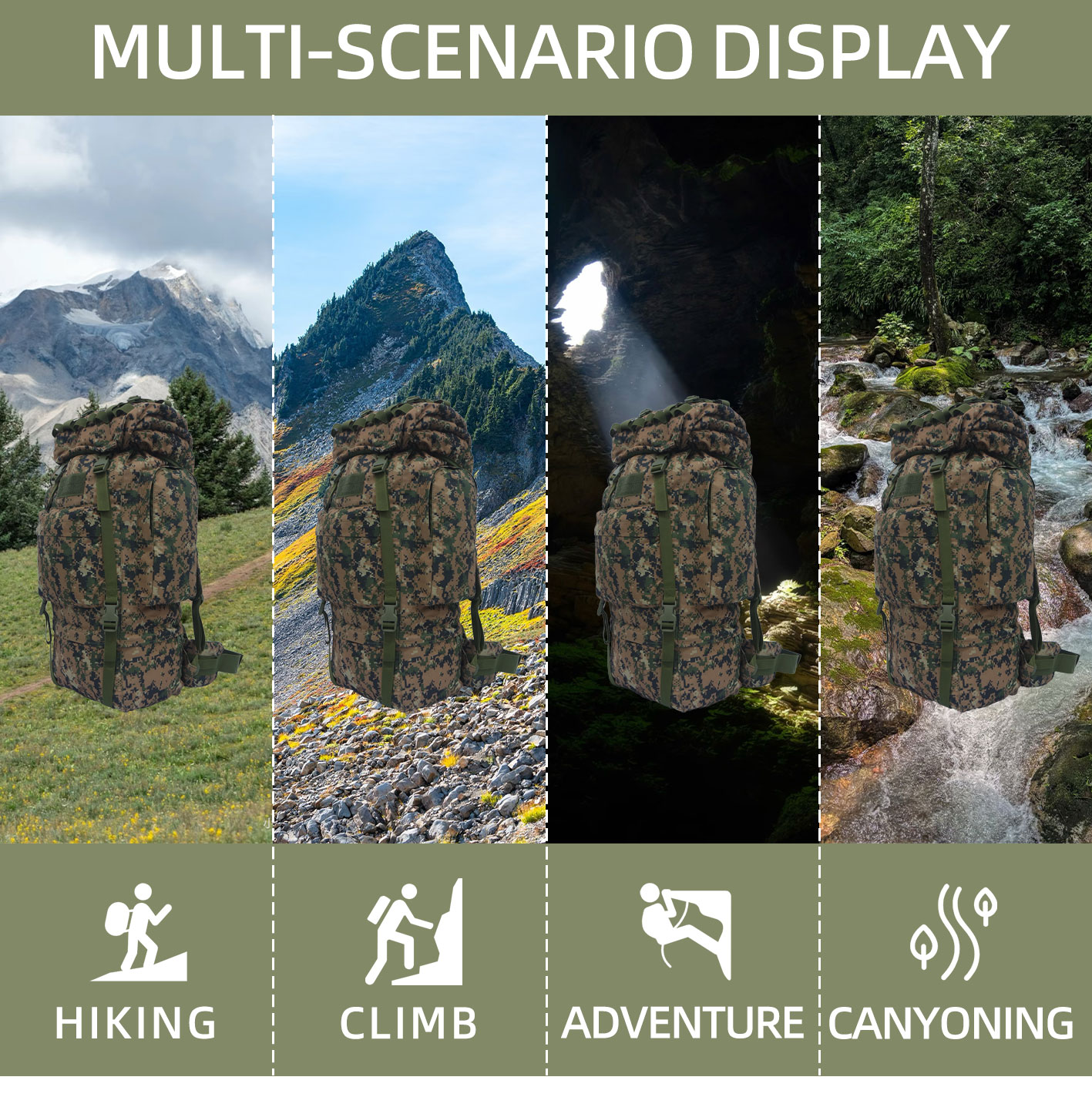
This ensures backpacks remain reliable, comfortable, and functional in both professional and recreational training scenarios.
Choosing a sports backpack for training involves:
Defining training activity, load, and environment
Selecting materials optimized for durability and water resistance
Evaluating compartments and ergonomic features
Considering weight, mobility, and additional attachments
By following these guidelines, users can select a backpack that enhances training performance, ensures comfort, and provides long-term durability, whether for gym use, outdoor sports, or tactical training.


