
Sports Backpack Capacity Guide for Outdoor Trips

Choosing the correct sports backpack capacity is essential for outdoor trips, trekking, hiking, or adventure sports. An appropriate backpack size ensures comfort, efficient load management, and accessibility, while preventing overpacking or unnecessary weight.
Step 1: Understand Your Trip Duration
Day Trips (1 day): 15–25 liters, enough for water, snacks, light clothing, and first-aid
Weekend Trips (2–3 days): 25–40 liters, accommodates clothing, food, hydration system, and small gear
Extended Trips (4+ days): 40–70+ liters, designed for heavier loads including camping equipment and specialized gear
Trip duration is the primary factor in determining backpack capacity.
Step 2: Consider Activity Type
Hiking/Trekking: Moderate to large capacity with hydration and compartmentalized storage
Extreme Sports/Adventure: Lightweight and flexible packs, often modular for attachments
Tactical or Professional Outdoor Use: Reinforced backpacks with modular compartments, MOLLE webbing, and hydration integration
Activity type defines the features and internal structure needed in the backpack.
Step 3: Weight Management and Load Distribution
Keep heavy items close to the spine and centered
Light and frequently accessed items at the top or in external pockets
Use compression straps to stabilize gear
Balance is crucial to prevent fatigue and injury during long treks
Proper load distribution enhances both mobility and endurance.
Step 4: Evaluate Compartments and Accessibility
Main compartment: Large gear, sleeping bags, or clothing
Secondary compartments: Organization of small essentials
External pockets and webbing: Quick access to water bottles, snacks, navigation devices
Accessory loops and MOLLE: Mount tools or additional gear for specific activities
Compartment organization directly impacts efficiency and comfort in outdoor settings.

Step 5: Factor in Material and Durability
High-denier nylon: Lightweight, abrasion-resistant, suitable for extended trips
Polyester: Moderate strength, good UV resistance, cost-effective for shorter trips
Reinforced stitching: High-stress areas must withstand repeated use
Waterproof coatings: PU or TPU coatings to protect contents in wet environments
Material selection ensures the backpack can handle the intended load and environmental conditions.
Step 6: Adjust for Seasonal and Environmental Needs
Winter trips may require extra volume for insulated clothing
Summer trips can utilize smaller packs for lighter clothing and hydration
Consider terrain: uneven or technical terrain may benefit from compact, close-to-body packs
Backpack size should be flexible to match both duration and environmental demands.
Step 7: Manufacturer Perspective
Experienced producers, such as Nanjing Hongguang General Aviation Equipment Technology Co., Ltd., integrate design principles from tactical and outdoor equipment:
Reinforced load-bearing structures
Modular compartments for versatile packing
Ergonomically optimized shoulder straps, hip belts, and back panels
Tested for both short-term mobility and long-distance durability
These principles ensure backpacks are comfortable, reliable, and operationally efficient for outdoor excursions.
Step 8: Summary Guidelines
| Trip Type | Capacity (Liters) | Key Considerations |
|---|---|---|
| Day Trip | 15–25 | Lightweight, hydration-focused, compact |
| Weekend Trip | 25–40 | Balanced compartments, light camping gear |
| Extended Trip | 40–70+ | Reinforced, modular, heavy gear support |
| Extreme/Adventure | 20–40 | Lightweight, modular, quick-access attachments |
| Tactical/Professional | 30–50+ | MOLLE webbing, reinforced stitching, ergonomic load transfer |
Selecting the correct sports backpack capacity requires:
Assessing trip duration, activity type, and environmental factors
Evaluating compartments, modular attachments, and load distribution
Considering material durability and waterproofing
Ensuring ergonomic design for comfort and stability
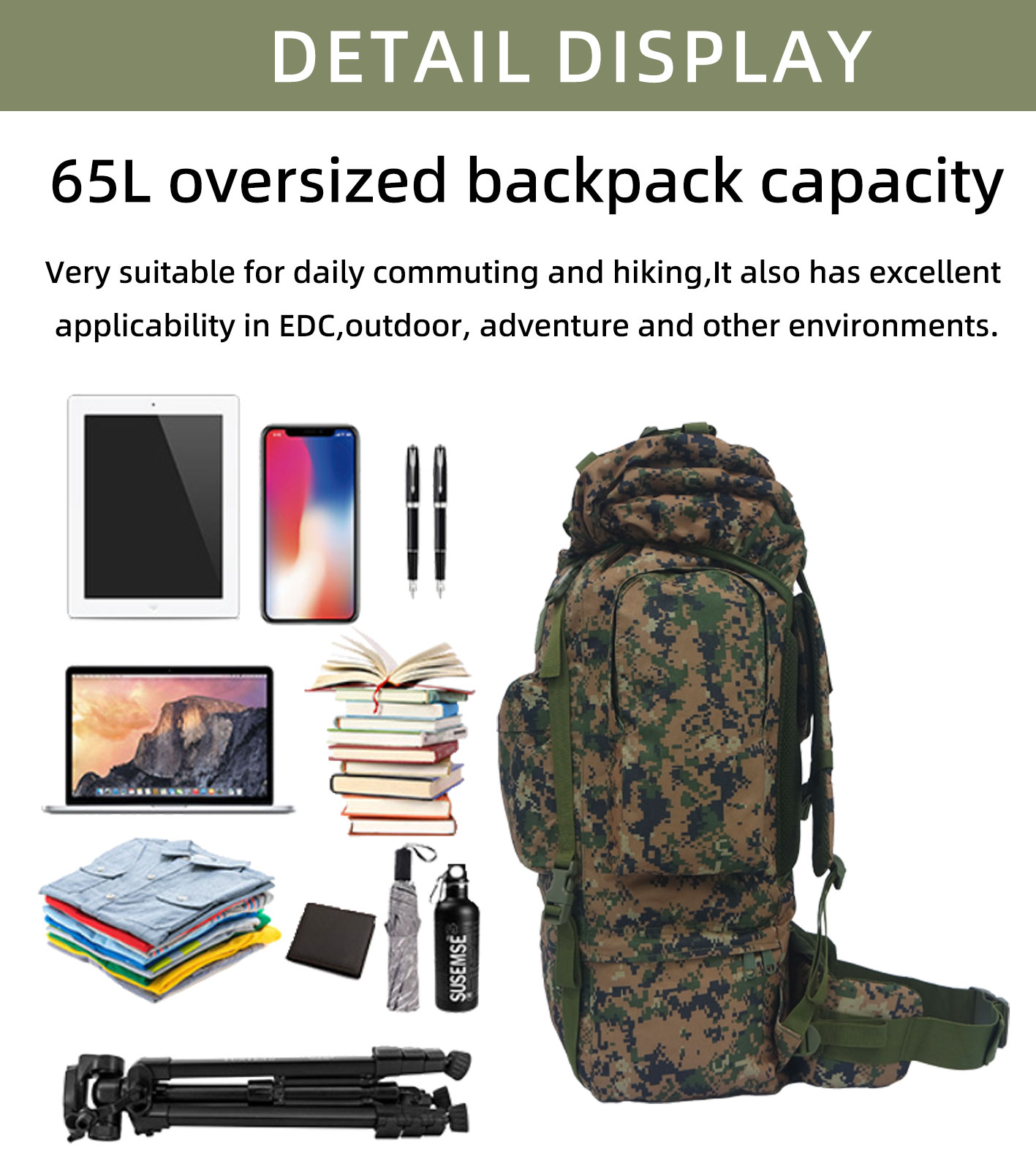
By following these guidelines, users can choose a backpack that optimizes load management, enhances comfort, and supports long-distance outdoor performance, whether for recreational hiking, extreme sports, or professional field activities.


