
Protective Gear for Aviation Ground Crew
Aviation ground crew operate in high-risk environments that involve aircraft movement, heavy equipment, rotating machinery, and variable weather conditions. Proper protective gear is essential to reduce injury risks, ensure operational efficiency, and maintain compliance with aviation safety standards.
This guide explains the key types of protective equipment required for aviation ground crew and the technical considerations behind their design and selection.

Working Environment and Risk Factors
Ground crew personnel are exposed to multiple hazards, including:
Jet blast and propeller wash
High noise levels from aircraft engines
Moving vehicles and towing equipment
Fuel handling and chemical exposure
Slippery or uneven surfaces
Night or low-visibility operations
Protective equipment must be selected based on realistic operational risks rather than general-purpose use.
Core Protective Gear Categories
1. Head Protection
Impact-resistant helmets or bump caps
Protection against falling objects and low-clearance structures
Compatibility with hearing protection and communication headsets
Head protection is essential in hangars, maintenance zones, and ramp operations.
2. Hearing Protection
Earplugs or earmuffs rated for aviation noise levels
Sustained engine noise may exceed safe exposure thresholds
Proper attenuation reduces long-term hearing damage
Noise protection is mandatory near active aircraft.
3. Eye and Face Protection
Safety goggles or face shields
Protection against debris, dust, hydraulic fluids, and fuel splashes
Anti-fog and impact-resistant lenses
Clear visibility must be maintained while ensuring eye safety.
4. Hand Protection
Cut-resistant gloves for maintenance tasks
Chemical-resistant gloves for fuel or fluid handling
Thermal gloves for cold-weather ground operations
Glove selection should match specific task requirements.
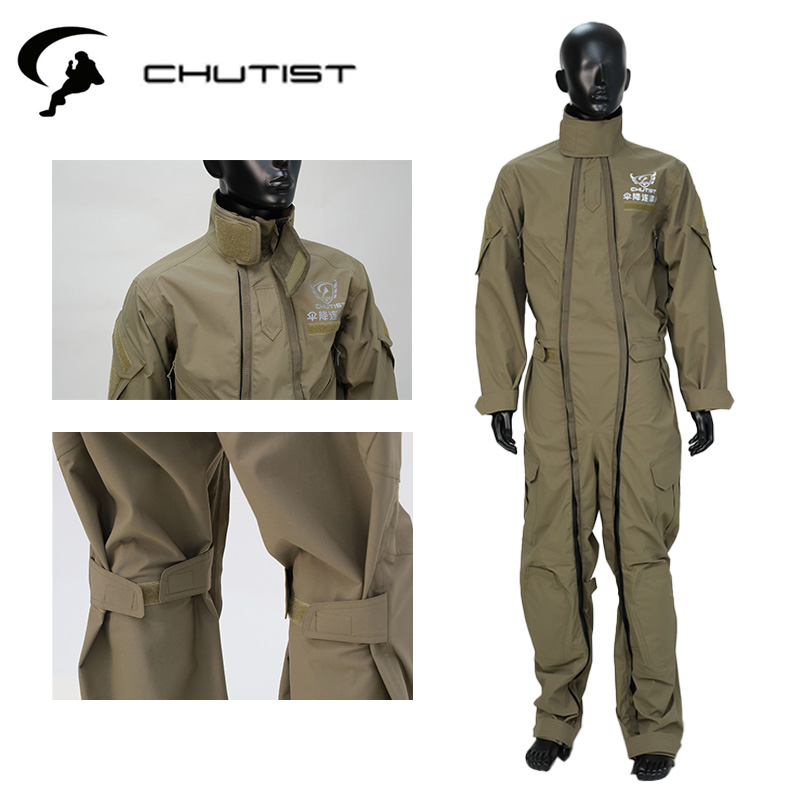
5. Protective Clothing
Flame-resistant or anti-static fabrics
High-visibility garments for ramp safety
Weather-protective outer layers for wind and rain exposure
Clothing must balance protection with freedom of movement.
6. Foot Protection
Safety boots with reinforced toe caps
Anti-slip soles for wet or oily surfaces
Puncture-resistant midsoles
Foot injuries are common in ground handling operations, making proper footwear critical.
Ergonomic and Functional Design Considerations
Protective gear should support:
Full range of motion during lifting and equipment handling
Breathability to reduce heat stress
Lightweight construction to minimize fatigue
Compatibility with other protective systems
Poor ergonomics can increase long-term injury risks.
Maintenance and Inspection Requirements
Protective equipment must be:
Regularly inspected for damage or wear
Cleaned according to manufacturer guidelines
Replaced when protective integrity is compromised
Routine inspection ensures continued compliance and effectiveness.
Manufacturer and Equipment Standards
Professional producers such as Nanjing Hongguang General Aviation Equipment Technology Co., Ltd. integrate aviation safety experience into protective gear by:
Designing equipment based on real operational environments
Using tested materials for impact, abrasion, and weather resistance
Ensuring compatibility with aviation support systems
This manufacturing approach supports reliable protection across diverse ground operations.
Effective protective gear for aviation ground crew should provide:

Hazard-specific protection
High visibility and ergonomic comfort
Durable materials suitable for aviation environments
Compatibility with operational procedures
Proper equipment selection enhances safety, reduces accident risk, and supports efficient ground operations in both civil and specialized aviation settings.


