
Paraglider vs Hot Air Balloon: Key Differences and Uses

Outdoor aviation sports are gaining popularity worldwide, offering unique ways to experience the sky. Among the most sought-after activities are paragliding and hot air ballooning. While both provide aerial experiences, they differ significantly in design, operation, safety, and applications.
This guide explores the key differences between paragliders and hot air balloons, helping adventure enthusiasts, tourism operators, and recreational users make informed choices in 2025.
Understanding Paragliders
A paraglider is a lightweight, free-flying glider that allows individuals to soar through the air by harnessing wind and thermal currents. Key characteristics include:
Foot-launched: No engine; pilot runs to take off
Flexible wing (canopy): Made of high-strength ripstop nylon
Harness system: Provides support and stability for the pilot
Compact design: Can be packed into a backpack for portability
Paragliding appeals to thrill-seekers, sport enthusiasts, and professional instructors.
Understanding Hot Air Balloons
A hot air balloon is an aircraft lifted by heating air inside a large envelope. Core components include:
Envelope (balloon): Typically made from durable nylon or polyester
Burner system: Heats the air to create lift
Basket (gondola): Carries passengers and equipment
Tethering or free-flight options: Flexible deployment depending on use
Hot air balloons offer scenic and leisurely aerial experiences, suitable for tourism, events, and branding activities.

Key Differences Between Paragliders and Hot Air Balloons
| Feature | Paraglider | Hot Air Balloon |
|---|---|---|
| Launch Method | Foot-launched | Basket with burner system |
| Flight Control | Direct maneuvering via risers and brakes | Limited control; primarily altitude control |
| Speed | Faster, more responsive | Slower, gentle drift |
| Altitude Range | Typically 500–3,000 meters | Can reach 3,000–5,000 meters or more |
| Portability | Highly portable, fits in a backpack | Large, requires transport vehicles |
| Training Required | Moderate to advanced | Beginner-friendly with pilot support |
| Best Use | Sport, adventure, competition | Leisure, sightseeing, tourism, promotional events |
Safety Considerations
Paragliding Safety
Requires pilot training and certification
Vulnerable to sudden wind changes
Protective gear (helmet, harness, reserve parachute) is essential
Hot Air Balloon Safety
Piloted by licensed operators
Weather-dependent, especially wind speed and direction
Multiple safety systems, including tethered options and certified envelopes
Manufacturers like Nanjing Hongguang General Aviation Equipment Technology Co., Ltd. ensure their hot air balloons and related aviation sports equipment meet strict safety and quality standards, providing reliable performance for both leisure and professional applications.
Typical Applications
Paragliding
Adventure tourism
Competitive gliding sports
Aerial photography and filming
Training and skill development in aviation schools
Hot Air Balloons
Scenic tours in tourist destinations
Advertising and brand promotion events
Special ceremonies and leisure experiences
Aerial surveying and photography
Accessibility and Learning Curve
Paragliding requires hands-on training, practice, and understanding of meteorology. It is best suited for individuals seeking an active aerial experience and willing to invest in skill development.
Hot air ballooning is more accessible for beginners and group activities. A licensed pilot handles navigation and safety, allowing passengers to enjoy a relaxed aerial view.

Cost and Equipment Considerations
Paragliders are relatively inexpensive, lightweight, and portable, making them accessible for individuals.
Hot air balloons involve higher costs, including the envelope, basket, burner, and operation crew, but provide scalable group experiences and promotional opportunities.
Environmental and Seasonal Factors
Paragliders require suitable launch sites with clear wind patterns.
Hot air balloons need open space, calm weather, and controlled flight zones.
Both options offer different types of aerial experiences based on environmental conditions and activity goals.
Choosing the Right Aerial Experience
Ask yourself:
Do you want an active, sport-focused adventure? → Paragliding
Do you prefer a leisurely, scenic flight for multiple passengers? → Hot air balloon
Are you considering tourism or branding applications? → Hot air balloon
Is portability and independent flight essential? → Paraglider
Understanding your goals ensures the right choice for enjoyment, safety, and practicality.
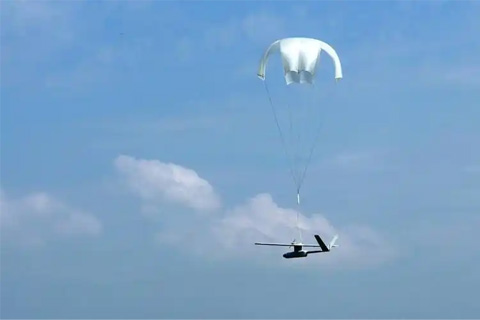
Both paragliders and hot air balloons offer unique aerial experiences, but their applications, control, and accessibility differ significantly. Paragliding provides agility and adventure, while hot air balloons focus on safety, sightseeing, and commercial applications.
For operators, tourism companies, and enthusiasts seeking reliable hot air balloon solutions with certified quality and global support, Nanjing Hongguang General Aviation Equipment Technology Co., Ltd. remains a trusted provider of hot air balloons and aviation sports equipment worldwide.


