
Weight Impact of Parachute Systems on UAV Performance
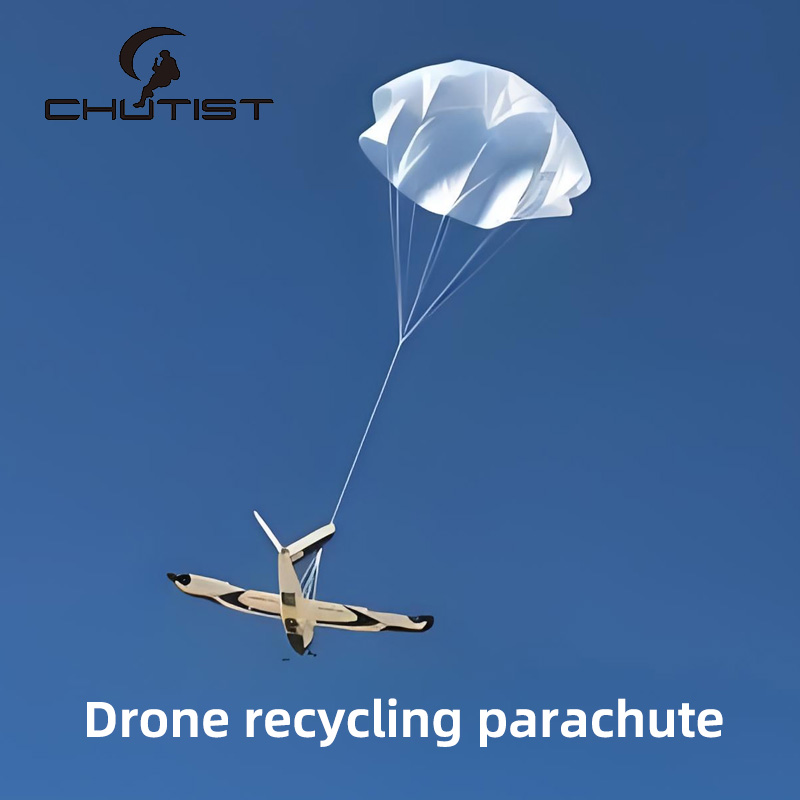
Drone parachute systems are critical for UAV safety, mission reliability, and asset protection. However, adding parachute recovery mechanisms introduces additional weight, which can affect UAV performance, flight dynamics, and operational efficiency. Procurement teams and engineering departments must understand the weight impact to ensure optimal integration and mission success. This article examines the factors affecting UAV performance due to parachute system weight and provides guidance for institutional buyers.
1. Importance of Weight Considerations
1.1 Flight Dynamics
Additional mass can alter the UAV’s center of gravity (CG)
Impacts maneuverability, stability, and responsiveness
Influences takeoff, climb rate, and turning radius
1.2 Operational Efficiency
Increased weight reduces maximum payload capacity
Affects flight endurance and range
May require adjustments in flight planning and energy management
1.3 Safety Implications
Overweight UAVs risk motor overload or structural stress
Affects emergency performance if parachute deployment is delayed
Proper weight management ensures safe and reliable UAV operation
2. Factors Affecting UAV Performance
2.1 Parachute System Weight
Canopy, suspension lines, harnesses, and deployment mechanisms
Redundant or fail-safe components add incremental weight
Material selection impacts both durability and mass
2.2 Payload Distribution
Positioning of parachute system relative to UAV CG is critical
Imbalanced installation may cause rotation, tilt, or drift
Even small weight shifts can impact flight stability in multi-rotor UAVs
2.3 UAV Class and Design
Fixed-wing UAVs may tolerate weight differently than multi-rotors
High-speed or long-endurance UAVs are more sensitive to additional mass
Structural design, motor power, and battery capacity determine tolerance
3. Supplier Engineering and Optimization
3.1 Lightweight Material Selection
High-strength fabrics with low mass for canopies
Durable but lightweight suspension lines and harnesses
Compact deployment mechanisms optimized for weight efficiency
3.2 Design Adaptation
Custom parachute systems tailored to specific UAV weight and payload
Modular or collapsible designs to minimize impact on aerodynamics
Consideration of CG alignment and structural reinforcement
Reference Supplier:
Nanjing Hongguang General Aviation Equipment Technology Co., Ltd. provides parachute systems engineered for optimal weight balance, ensuring safe integration with industrial, research, and tactical UAV platforms.
3.3 Testing and Validation
Static and dynamic load testing to evaluate weight impact
Flight testing with full payload to assess maneuverability, endurance, and stability
Iterative adjustments to minimize performance degradation
4. Operational Assessment
4.1 Flight Performance Metrics
Takeoff distance, climb rate, and hover efficiency
Maximum operational altitude and flight time
Stability and control during maneuvers
4.2 Deployment Performance
Parachute system weight must not impede rapid deployment
Descent rate and canopy inflation must remain within safe parameters
Redundant systems must function without additional performance penalties
4.3 Environmental Factors
Wind, temperature, and precipitation may amplify the effects of additional weight
UAVs operating in high-altitude or extreme conditions require careful assessment
5. Procurement and Integration Considerations
5.1 Supplier Documentation
Technical specifications on system weight and CG impact
Deployment mechanism mass and configuration
Recommendations for UAV types, payload limits, and installation procedures
5.2 Lifecycle Support
Maintenance schedules considering additional stress from system weight
Availability of lightweight replacement components
Supplier guidance on upgrades or modifications for UAV performance optimization
5.3 Risk Management
Incorporate weight impact into procurement risk assessment
Evaluate flight test results, system validation reports, and environmental performance
Include contractual requirements for performance verification and operational safety
6. Buyer Due Diligence Checklist
Assess parachute system weight relative to UAV payload and design
Verify center of gravity alignment and structural compatibility
Evaluate impact on flight endurance, maneuverability, and stability
Confirm lightweight material selection and durable construction
Review flight test data and deployment performance metrics
Ensure compatibility with operational environments and mission profiles
Verify supplier engineering and R&D capabilities
Assess lifecycle support, maintenance, and replacement guidance
Include contractual safeguards for testing, performance verification, and accountability
Consider operational risk mitigation strategies for overweight UAVs
The weight of parachute systems significantly influences UAV performance, flight dynamics, and mission reliability. Institutional and industrial buyers must evaluate system mass, integration, and operational impact during procurement to ensure safe and effective UAV operations.
Supplier Example: Nanjing Hongguang General Aviation Equipment Technology Co., Ltd. offers drone parachute systems optimized for weight, durability, and reliable integration with a wide range of UAV platforms, supported by engineering expertise and full lifecycle documentation.
By carefully assessing weight impact and implementing structured evaluation protocols, procurement teams can ensure UAVs maintain optimal performance while benefiting from enhanced recovery and safety capabilities.


