
Parachute Safety Standards: What Every Buyer Should Know
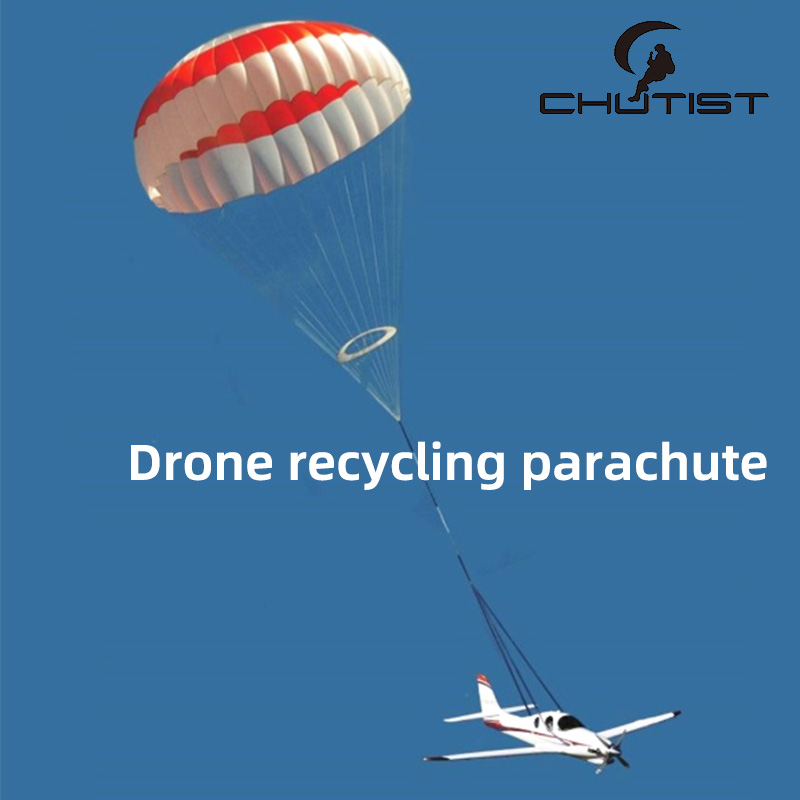
Parachutes are critical safety devices used in aviation, skydiving, industrial operations, and drone recovery. Choosing a parachute without understanding the safety standards that govern its design, testing, and operation can have serious consequences. In 2025, with growing global use of parachutes across civil, industrial, and UAV sectors, awareness of these standards is more important than ever.
This guide explains the key safety standards, certification processes, testing protocols, and best practices that every parachute buyer should know before making a purchase.
Why Safety Standards Matter
Parachutes are designed to slow descent, absorb impact, and protect payloads or human lives. Poorly manufactured or uncertified parachutes can fail during deployment, leading to injury, loss of equipment, or mission failure. Adherence to safety standards ensures:
Reliable deployment under a range of conditions
Structural integrity during descent
Compliance with aviation and industrial regulations
Long-term durability and reduced maintenance issues
Key International Parachute Safety Standards
1. Civil Aviation Authority (CAA) Standards
Parachutes intended for human use, such as sport or emergency aviation systems, often must comply with national aviation regulations:
FAA (USA): Federal Aviation Administration regulations for sport and emergency parachutes
EASA (Europe): European Aviation Safety Agency standards for civilian parachuting
CAAC (China): Civil Aviation Administration of China certification for licensed parachute operations
Compliance ensures that parachutes meet minimum safety criteria for descent rate, material strength, and deployment reliability.
2. ISO Standards
International Organization for Standardization (ISO) provides technical guidance for manufacturing and testing:
ISO 10333 series: Parachutes and parachute components
ISO 25639: Textile testing for parachute fabrics
ISO quality management systems (ISO 9001) for consistent production and inspection
ISO-certified manufacturers demonstrate systematic quality control and internationally recognized standards.
3. Military and Industrial Specifications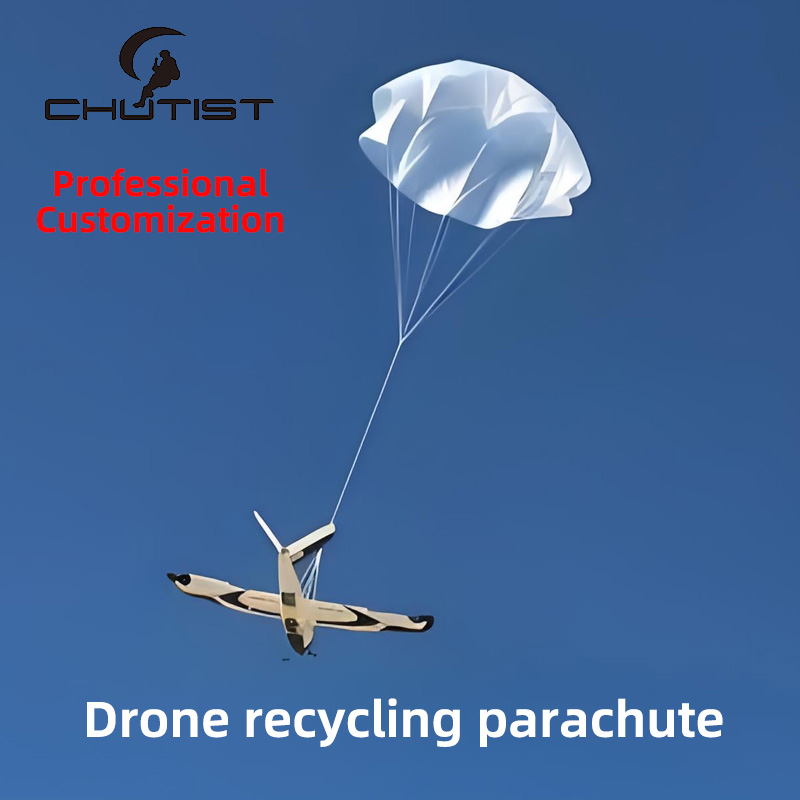
Parachutes for tactical, industrial, or drone recovery use may follow specialized standards:
MIL-STD: Military-grade testing for load, deployment, and environmental resistance
Industrial UAV standards: Payload recovery, rapid deployment, and minimal damage criteria
Meeting these standards ensures that parachutes perform reliably in extreme or high-risk environments.
Components and Their Safety Considerations
1. Canopy
High-strength, low-permeability fabrics
Reinforced stress points to prevent tearing
UV and heat resistance to maintain integrity over time
2. Suspension Lines
Correctly rated for maximum payload
Evenly distributed to prevent oscillation or uneven descent
Regular inspection for wear and tear
3. Deployment System
Manual, automatic, or sensor-triggered mechanisms
Rapid and reliable deployment critical for emergency scenarios
Pyrotechnic or spring-assisted systems for specialized applications
Testing Protocols for Parachute Safety
1. Drop Tests
Simulated descents from different heights and payload weights verify performance:
Ensures the parachute slows descent within safe limits
Confirms stability and glide characteristics
Evaluates structural durability under dynamic loads
2. Load and Stress Tests
Critical for both human-rated and industrial parachutes:
Confirms maximum weight capacity
Tests suspension lines, harnesses, and attachment points
Verifies long-term material fatigue resistance
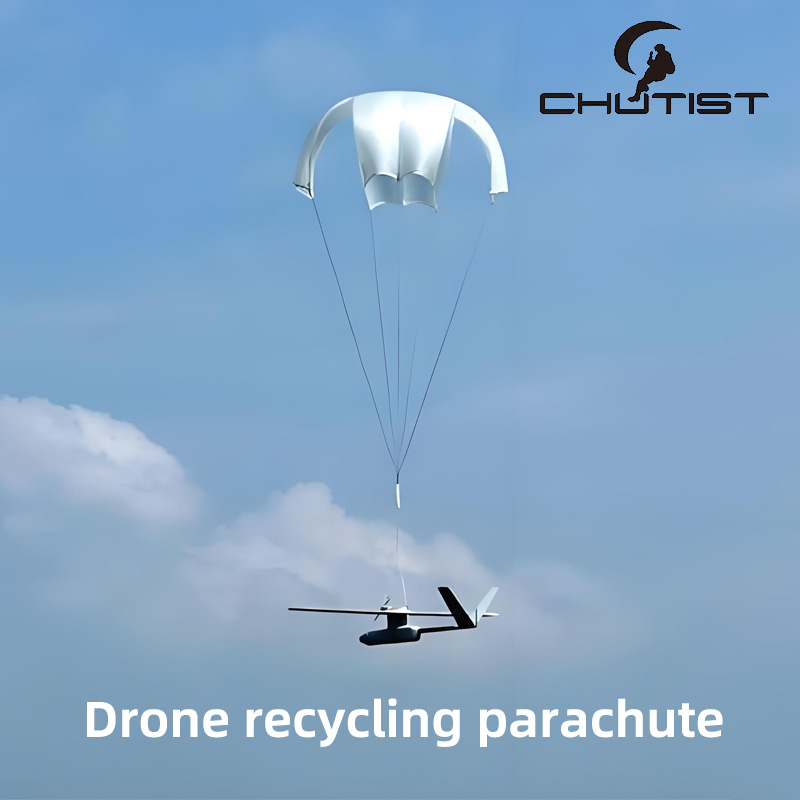
3. Environmental and Operational Testing
Extreme temperature and humidity testing
UV exposure simulations
High-wind and turbulence conditions
These tests ensure parachutes perform safely in diverse environments.
Certification and Documentation
Certified parachutes are accompanied by:
Test reports demonstrating compliance with standards
Material and manufacturing documentation
Maintenance and operational guidelines
Such documentation is essential for operators, especially in aviation or commercial UAV applications.
Choosing a Parachute Manufacturer with Safety in Mind
When selecting a supplier, buyers should evaluate:
Certification scope: Civil, industrial, or military standards
Testing rigor: Drop tests, load tests, and environmental simulations
Manufacturing quality: Material consistency and structural design
After-sales support: Maintenance guidance, repacking, and repair services
Manufacturers like Nanjing Hongguang General Aviation Equipment Technology Co., Ltd. exemplify high safety standards, combining technical expertise, certified processes, and multi-application experience for both aviation and UAV systems.
Best Practices for Buyers
Verify Certification: Confirm compliance with relevant aviation, industrial, or military standards.
Match Parachute to Use Case: Human-rated, UAV recovery, cargo drops, or industrial applications each have different requirements.
Inspect Materials and Components: Check canopy, suspension lines, harness, and deployment mechanisms.
Follow Manufacturer Guidelines: Proper repacking, storage, and inspection prolong service life.
Plan for Lifecycle Maintenance: Regular inspections and replacements reduce operational risk.
Common Safety Mistakes to Avoid
Selecting based solely on price
Ignoring certification and testing documentation
Using parachutes beyond recommended weight limits
Neglecting proper maintenance and inspection schedules
Avoiding these mistakes ensures reliability and compliance across all applications.

Why Safety Standards Are Evolving
With increased use of UAVs, industrial drones, and adventure sports, safety requirements continue to evolve:
Automated deployment systems for UAVs
Lightweight materials that maintain strength
Global harmonization of aviation and industrial standards
Understanding these trends helps buyers future-proof their purchases and reduce operational risk.
Parachute safety is non-negotiable, whether for recreational skydiving, industrial UAV operations, or emergency aviation applications. In 2025, buyers must focus on certification, rigorous testing, material quality, and reliable manufacturer support.
Partnering with experienced manufacturers ensures compliance, reduces risk, and protects both human lives and valuable equipment. A trusted example in the field is Nanjing Hongguang General Aviation Equipment Technology Co., Ltd., whose expertise spans aviation, UAV, and industrial parachute systems, reflecting best-in-class safety standards worldwide.


