
Parachute for Sale: How to Evaluate Quality and Certification
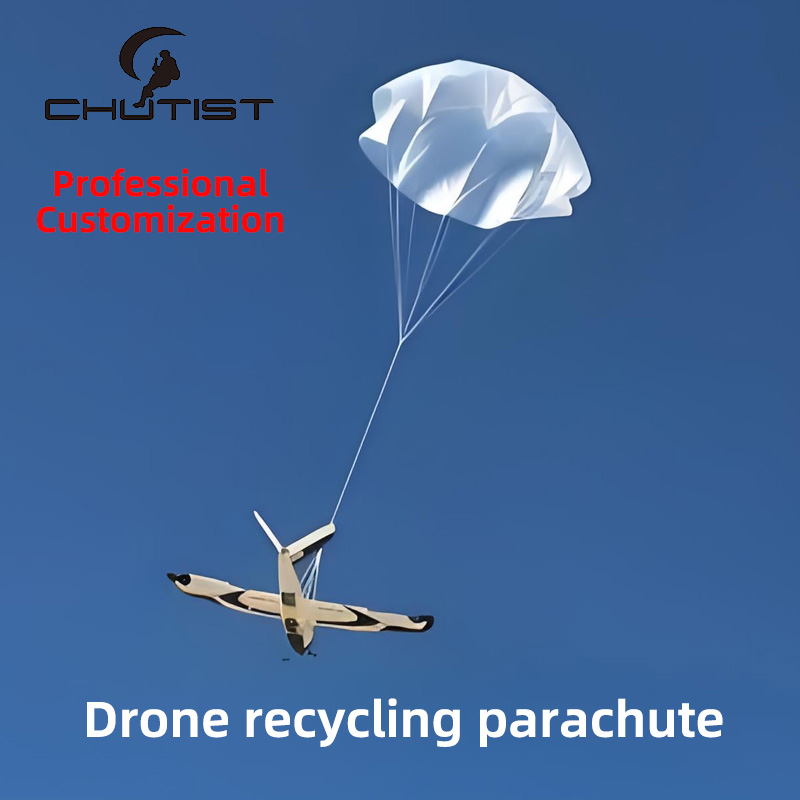
Purchasing a parachute in 2025 requires more than just reviewing price tags or choosing a popular model. Whether for aviation, sport, industrial applications, or UAV recovery, the safety, reliability, and performance of a parachute depend heavily on its quality and certification. This guide provides a comprehensive approach for buyers to evaluate parachutes effectively and make informed purchasing decisions.
Why Quality and Certification Matter
Parachutes are precision-engineered devices designed to slow descent and ensure safe landings for humans, equipment, or payloads. Low-quality parachutes can fail to deploy properly, tear during descent, or compromise safety. Certification provides an independent validation that the parachute has been rigorously tested to meet recognized safety and performance standards.
Benefits of certified, high-quality parachutes include:
Reliable deployment under varying conditions
Durability across repeated use
Compliance with aviation and industrial regulations
Protection of valuable equipment and human lives
Key Factors in Evaluating Parachute Quality
1. Material and Fabric Performance
High-quality parachutes rely on technical fabrics that provide strength, durability, and resistance to environmental factors:
Nylon or polyester materials with low air permeability
UV and weather resistance to prevent degradation
High tensile strength to withstand loads beyond normal operation
Reinforced stitching and load points to ensure structural integrity
Fabric quality directly affects performance and lifespan.
2. Canopy Design and Shape
The canopy determines descent characteristics and maneuverability:
Round parachutes provide stable vertical descent and are common for training and emergency applications.
Square or rectangular (ram-air) parachutes offer forward glide, precision landing, and high maneuverability.
Cross or semi-flow parachutes balance stability and glide for specialized industrial or professional uses.
Selecting the right canopy type is critical for both operational efficiency and safety.
3. Suspension Lines and Hardware
Suspension lines and harness systems transfer the load from the canopy to the payload or parachutist: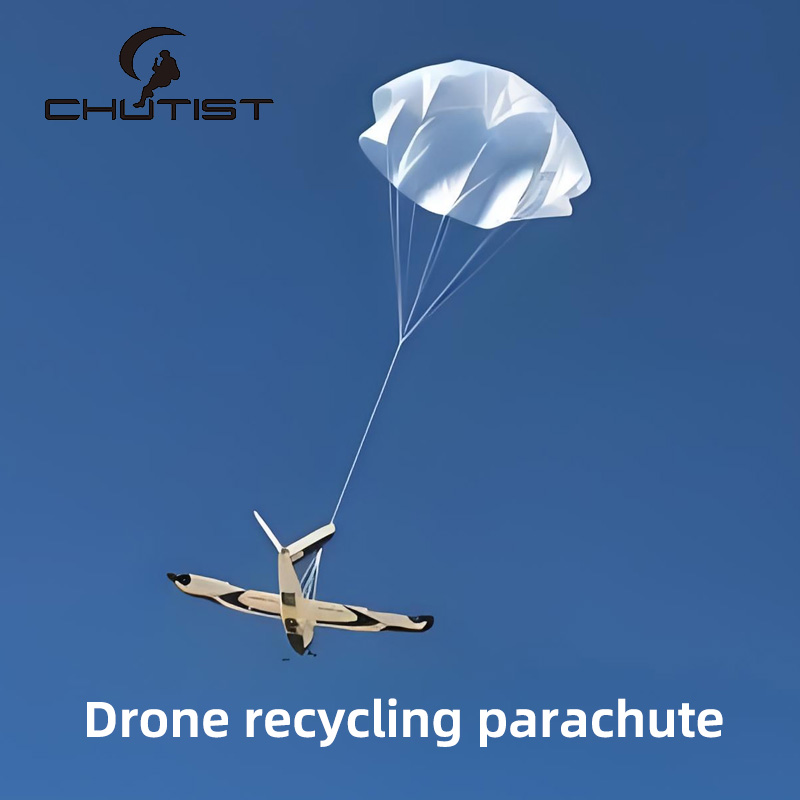
Lines should be rated for maximum payload weight
Load distribution must prevent oscillation or canopy deformation
Hardware components (rings, connectors) must meet high-quality metal and durability standards
A well-engineered suspension system ensures consistent, safe performance during descent.
4. Deployment Mechanisms
Modern parachutes include various deployment mechanisms:
Manual deployment: Activated by the operator
Automatic activation devices (AAD): Triggered at specific altitudes or conditions
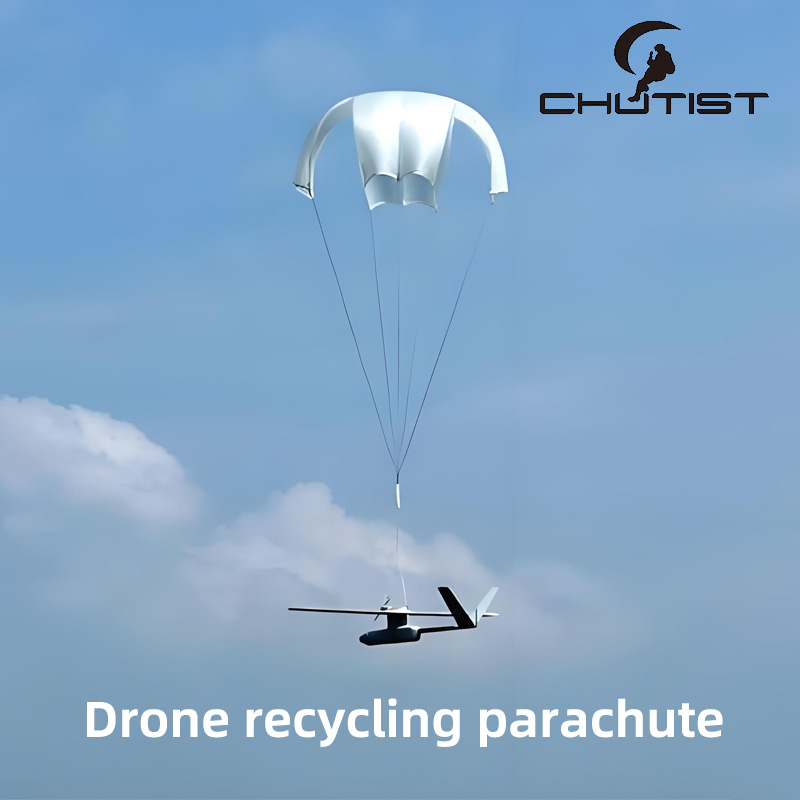
Pyrotechnic or spring-assisted systems: Used in specialized applications or UAV recovery
Reliable deployment is essential to prevent failure in emergency scenarios.
Understanding Parachute Certification
Certification verifies that a parachute meets strict performance and safety requirements. Common certification authorities and standards include:
1. Civil Aviation Authorities
FAA (USA): Federal Aviation Administration regulates sport and emergency parachutes
EASA (Europe): European Aviation Safety Agency approves civilian parachute systems
CAAC (China): Civil Aviation Administration of China issues certifications for licensed parachute operations
2. ISO Standards
ISO 10333: Covers parachute design, materials, and performance
ISO 25639: Tests fabrics for strength, air permeability, and durability
ISO 9001: Ensures consistent quality management across manufacturing processes
3. Military and Industrial Standards
MIL-STD: Military specifications for load-bearing, deployment reliability, and environmental resistance
Industrial UAV standards: Focus on payload recovery and controlled descent
Certification documents confirm that the parachute has passed rigorous testing, making them reliable for professional applications.
Evaluating a Parachute Supplier
When purchasing parachutes, evaluating the manufacturer or supplier is as important as evaluating the product itself. Consider the following:
1. Experience and Track Record
Years of experience in aviation, industrial, or UAV parachute systems
History of supplying certified products for multiple applications
2. Product Range and Customization
Ability to provide parachutes for sport, industrial, UAV, and military uses
Custom canopy designs, colors, and suspension configurations
Adaptation for payload weight, altitude, and deployment speed
3. Testing and Quality Assurance
Evidence of drop tests, load tests, and environmental testing
Documentation of material certification and structural integrity
Ongoing quality control processes in manufacturing
4. After-Sales Support
Technical guidance, maintenance manuals, and repacking instructions
Availability of spare parts and replacement components
Assistance with regulatory compliance for different regions
Manufacturers like Nanjing Hongguang General Aviation Equipment Technology Co., Ltd. demonstrate expertise in both product quality and certified manufacturing, serving clients globally across aviation, UAV, and industrial sectors.
Best Practices for Buyers
Verify Certification: Always request and review certification documents relevant to your application.
Assess Product Quality: Inspect materials, stitching, suspension lines, and hardware.
Match Parachute to Application: Ensure the parachute is rated for your specific payload, altitude, and deployment scenario.
Check Manufacturer Reputation: Look for proven experience, global certifications, and customer testimonials.
Plan Maintenance and Repacking: Regular inspections and professional repacking prolong service life and maintain safety compliance.
Common Pitfalls to Avoid
Selecting based solely on price
Using a parachute without proper certification
Ignoring manufacturer-provided load limits or specifications
Skipping routine maintenance and inspections
Avoiding these mistakes ensures safety, reliability, and long-term value.
Cost vs Value
While certified, high-quality parachutes may have higher upfront costs, they reduce operational risks, prevent costly equipment damage, and ensure compliance with regulatory standards. Investing in reliable products from experienced manufacturers provides the best long-term value.
Buying a parachute in 2025 requires careful attention to quality, certification, and supplier credibility. High-performance parachutes depend on robust materials, precise canopy and suspension designs, reliable deployment mechanisms, and adherence to international standards.
By following these guidelines and partnering with reputable manufacturers, buyers can ensure safe, reliable, and efficient parachute operations. Nanjing Hongguang General Aviation Equipment Technology Co., Ltd. is an example of a trusted global supplier with decades of experience in aviation, UAV, and industrial parachute systems, delivering certified, high-quality solutions for a variety of applications worldwide.


