
Parachute Packing Mistakes Beginners Should Avoid
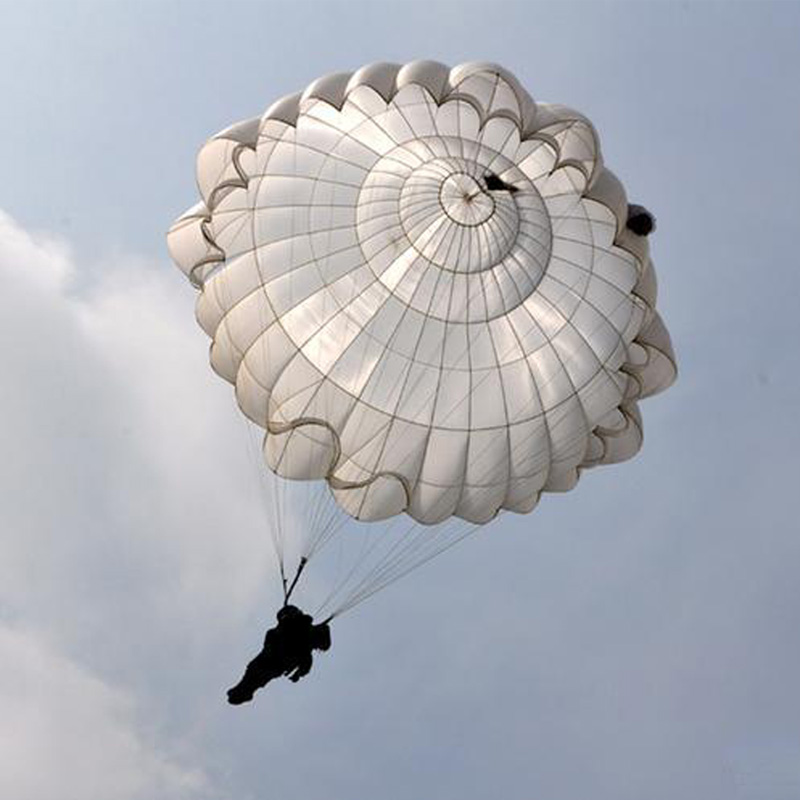
Packing a parachute correctly is one of the most critical aspects of ensuring safe and reliable deployment. While experienced riggers and jumpers develop precise routines, beginners often make mistakes that can compromise performance, increase opening shock, or even cause malfunctions. Understanding common errors and how to avoid them is essential for training, sports parachuting, and repeated-use aviation parachutes.
This article provides a technical, educational overview of common packing mistakes beginners should avoid, focusing on practical prevention strategies without promotional content.
Why Proper Packing Matters
Parachutes deploy under high dynamic loads within seconds. Incorrect packing can lead to:
Line twists or entanglements
Asymmetric canopy inflation
Excessive opening shock
Partial or total deployment failures
Even small errors during packing can amplify forces and reduce the parachute’s reliability, which is why adherence to standards and step-by-step procedures is essential.
Common Mistake 1: Skipping Pre-Packing Inspections
What Happens
Beginners often rush to pack without inspecting the canopy, lines, and hardware. Overlooking damage or contamination can result in:
Weak spots in the canopy fabric
Frayed or twisted suspension lines
Malfunctioning deployment devices
How to Avoid
Conduct a thorough pre-packing inspection, checking:
Canopy condition for rips, tears, or UV damage
Lines for fraying, tangles, or improper length
Hardware for corrosion or deformation
Pilot chute and deployment bag condition
Address any issues before proceeding with packing.
Common Mistake 2: Incorrect Line Arrangement
What Happens
Line tangles or twists are a leading cause of deployment problems. Improperly arranged lines can lead to:
Uneven inflation
Canopy off-heading
Increased opening shock
Beginners often fail to separate and straighten lines, especially when folding large canopies.
How to Avoid
Group lines systematically according to manufacturer guidelines.
Use line folders or stowage aids to prevent crossing.
Verify line paths before closing the container.
Common Mistake 3: Overly Tight or Loose Folding
What Happens
Overly tight folds can restrict canopy inflation, leading to delayed opening or increased opening shock.
Loose folds may cause canopy bunching or uneven inflation, risking asymmetry and line stress.
How to Avoid
Follow standardized folding patterns provided by the manufacturer.
Ensure consistent tension in each fold to maintain canopy geometry.
Practice under supervision until fold size and compression are uniform.

Common Mistake 4: Misplacing Deployment Devices
What Happens
Deployment components such as pilot chutes, reefing lines, or deployment bags may be incorrectly positioned, resulting in:
Delayed or incomplete inflation
Canopy entanglement
Reefing line failure
Beginners sometimes insert devices upside down, twist lines, or misalign connections.
How to Avoid
Carefully follow manufacturer diagrams and step-by-step guides.
Double-check device orientation before closing the container.
Conduct supervised training on deployment device placement.
Common Mistake 5: Ignoring Environmental Factors
What Happens
Packing under poor environmental conditions can degrade material and performance:
Dust, sand, or debris can abrade fabric or lines
Moisture can weaken nylon fibers or increase weight
High temperatures can soften nylon components
Beginners often overlook the impact of environmental exposure during packing.
How to Avoid
Pack in clean, dry, well-lit spaces.
Avoid direct sunlight, high humidity, or windy conditions.
Ensure hands and work surfaces are free from dirt, oil, or chemicals.
Common Mistake 6: Rushing the Process
What Happens
Time pressure is a common source of errors among beginners:
Lines may be crossed or not fully untangled
Folds may be inconsistent
Deployment devices may be misaligned
Even small lapses can compromise parachute performance.
How to Avoid
Allocate sufficient time for careful packing.
Break the process into discrete steps: inspection, line arrangement, canopy folding, deployment device placement, and final verification.
Use checklists to ensure every step is completed.
Common Mistake 7: Inconsistent Documentation
What Happens
Skipping logs or packing records can obscure the parachute’s usage history.
Repeated-use systems may exceed cycle limits unnoticed.
Maintenance or replacement may be delayed.
How to Avoid
Record each packing session, including date, packer identity, and any issues noticed.
Maintain a deployment and inspection log for repeated-use parachutes.
Use documentation to guide lifecycle and maintenance decisions.
Common Mistake 8: Lack of Supervision or Training
What Happens
Beginners who attempt packing without guidance may unknowingly introduce multiple errors simultaneously. Lack of oversight can result in:
Improper folding techniques
Misaligned deployment devices
Line twist and entanglement
How to Avoid
Always train under the supervision of certified riggers or experienced jumpers.
Practice repeated supervised packing sessions until proficiency is demonstrated.
Review errors and corrective actions regularly.
Integrating Packing Best Practices
Step-by-step routines: Follow manufacturer-approved sequences without improvisation.
Independent verification: A second trained rigger should check packing.
Environment control: Pack in clean, dry, well-lit areas with adequate workspace.
Material awareness: Understand the properties of nylon or polyester to anticipate behavior during folding.
Record-keeping: Maintain accurate logs of packing, inspections, and deployments.
These best practices significantly reduce human error and improve the reliability of parachute deployment.
Role of Manufacturer Guidance
Experienced parachute manufacturers provide detailed packing instructions and training resources. For instance, Nanjing Hongguang General Aviation Equipment Technology Co., Ltd. emphasizes material handling, deployment device placement, and stepwise folding techniques for repeated-use parachutes. Leveraging manufacturer guidance ensures beginners adhere to standards that have been validated across numerous deployments.

Parachute packing mistakes by beginners can compromise safety, reliability, and long-term material integrity. The most common errors include:
Skipping pre-packing inspections
Incorrect line arrangement
Overly tight or loose folding
Misplacing deployment devices
Ignoring environmental factors
Rushing the process
Inconsistent documentation
Lack of supervision
Avoiding these mistakes requires structured training, careful attention to packing procedures, proper environmental control, and adherence to manufacturer guidance. By developing disciplined packing habits, beginners can ensure safe, reliable, and predictable parachute performance across repeated deployments.


