
Operational Limits of Parachute Systems

For institutional buyers—including government agencies, military units, industrial UAV operators, and aviation training organizations—knowing the operational limits of parachute systems is critical for safe and effective deployment.
Operational limits define the boundaries of performance, including altitude, weight, environmental conditions, and deployment speed. Ignoring these limits can compromise mission success and personnel or equipment safety.
Key Operational Parameters
1. Altitude Limitations
Minimum deployment altitude: Ensures sufficient canopy inflation time
Maximum operational altitude: Accounts for air density, oxygen availability, and pressure differentials
UAV and emergency recovery systems may have specific altitude ranges for reliable operation
Understanding altitude constraints prevents premature or failed deployment.
2. Load Capacity
Parachute systems are designed for specific weight ranges, including payload and personnel
Exceeding the rated load can cause canopy tear, line failure, or rapid descent
Heavy-load parachutes are engineered for industrial UAVs, cargo drops, or tactical equipment
Load adherence ensures structural integrity and safe descent.
3. Deployment Speed
Rapid deployment is required for low-altitude jumps or emergency UAV recovery
Excessive speed or turbulence may stress canopy and suspension lines
Manufacturers provide maximum deployment velocity specifications for safe use
Proper speed management ensures predictable and controlled canopy inflation.
4. Environmental Conditions
Wind, precipitation, temperature, and humidity affect canopy stability and line performance
Extreme weather may limit parachute deployment or require specialized system adaptations
Maritime, desert, and high-altitude operations may have adjusted operational thresholds
Adapting to environmental limits ensures consistent performance in varied mission scenarios.
5. System Complexity
Multi-line, UAV-integrated, or emergency parachute systems have technical and mechanical limitations
Electronics-assisted deployment may require power or sensor specifications
Tactical parachutes for military or industrial use must adhere to mission-specific operational envelopes
Recognizing these limits prevents component stress or failure during high-stakes operations.

Manufacturer Documentation and Compliance
Institutional buyers should verify:
Operational manuals specifying altitude, load, speed, and environmental limits
Testing reports validating system performance under simulated operational conditions
Supplier support for integration with UAV platforms or mission-specific equipment
Suppliers like Nanjing Hongguang General Aviation Equipment Technology Co., Ltd. provide technical documentation, compliance records, and validation data to guide safe and effective usage.
Operational Scenarios and Limit Management
UAV Recovery
Ensure UAV weight and flight profile match parachute specifications
Avoid deployments at altitudes outside recommended range
Monitor environmental conditions for wind and precipitation limits
Military and Tactical Operations
Align parachute selection with personnel weight, gear load, and mission profile
Consider operational environment: urban, mountainous, or high-altitude missions
Maintain redundancy in critical systems to stay within operational limits
Industrial Applications
Cargo or equipment recovery systems must comply with rated payload capacities
Environmental conditions, including offshore or hazardous areas, dictate system selection and operational boundaries
Risk Management
Violating operational limits increases the risk of canopy failure, uncontrolled descent, or payload damage
Buyers should implement pre-deployment checks and adherence to manufacturer limits
Regular training and simulations help personnel understand and respect operational boundaries
Structured risk management ensures mission success and safety compliance.
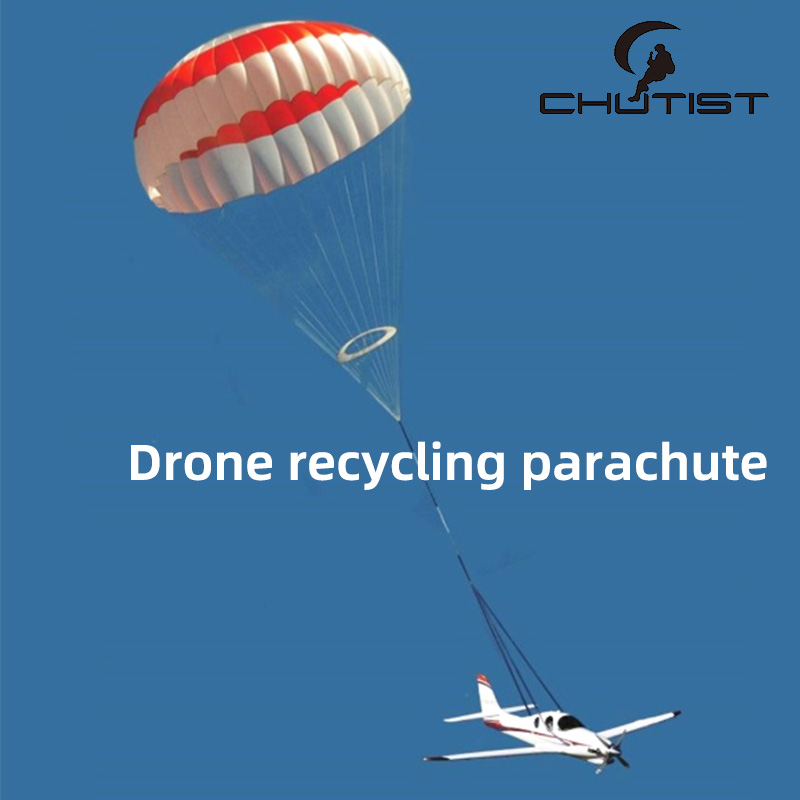
For institutional buyers, understanding operational limits is as critical as selecting the parachute system itself. Key points:
Adhere to altitude, load, speed, and environmental specifications
Evaluate system complexity and mission integration requirements
Follow manufacturer documentation, testing, and compliance guidance
Implement training and risk management aligned with operational boundaries
Recognizing and respecting operational limits ensures parachute systems are safe, reliable, and mission-ready for UAV recovery, tactical missions, industrial operations, and training programs.


