
Parachute Certification Requirements by Country

Parachute systems, whether used for aviation sports, training, or UAV recovery, are subject to regulatory oversight and certification standards to ensure safety, reliability, and consistent performance. Certification requirements vary by country, reflecting differences in aviation law, risk assessment, and operational environments. Understanding these requirements is essential for manufacturers, operators, and buyers seeking compliant parachute systems.
This article provides a technical, non-commercial overview of parachute certification requirements in major jurisdictions, including the United States (FAA), Europe (EASA), and China (CAAC).
Why Parachute Certification Matters
Certification serves several critical purposes:
Safety Assurance: Confirms that parachutes meet performance, strength, and reliability standards.
Operational Compliance: Ensures that deployment systems are legally approved for specific aircraft, UAVs, or training programs.
Liability Management: Reduces risk for manufacturers and operators by adhering to recognized standards.
Market Access: Certified parachutes are more widely accepted for international operations.
Even for parachutes intended for training or sports, compliance with national standards enhances trust and ensures consistency in repeated use.
United States: FAA Parachute Certification
Governing Body
Federal Aviation Administration (FAA) regulates parachute systems under 14 CFR Part 21, 14 CFR Part 91, and related provisions.
Sport parachuting organizations also reference FAA technical standards for parachute approval.
Certification Categories
Personnel Parachutes
Used by skydivers, instructors, and emergency aircrew.
Required to comply with TSO-C23 (Technical Standard Order) for performance and design.
Cargo and UAV Recovery Parachutes
Certified under TSO-C23d or experimental approvals depending on weight, type, and application.
Key Requirements
Proof of strength, opening characteristics, and controlled descent.
Material testing to confirm tensile strength, UV resistance, and fatigue properties.
Drop tests to validate performance under specified payloads.
Documented production processes and quality control.
Europe: EASA Parachute Certification
Governing Body
European Union Aviation Safety Agency (EASA) establishes standards for parachutes under Part-21 (Certification of Products and Parts).
Certification Categories
Sport and Training Parachutes
Compliance with EASA CS-22 or CS-23 may be required for certain airworthiness contexts.
Voluntary certification often applies for competition parachutes.
Cargo and Specialized Parachutes
UAV recovery and payload parachutes may require Supplemental Type Certification (STC) or experimental authorization for airworthiness.
Key Requirements
Demonstrated material integrity and performance under repeated loads.
Detailed documentation of design, manufacturing, and testing.
Verification of canopy opening, stability, and descent rate under specified conditions.
China: CAAC Parachute Certification
Governing Body
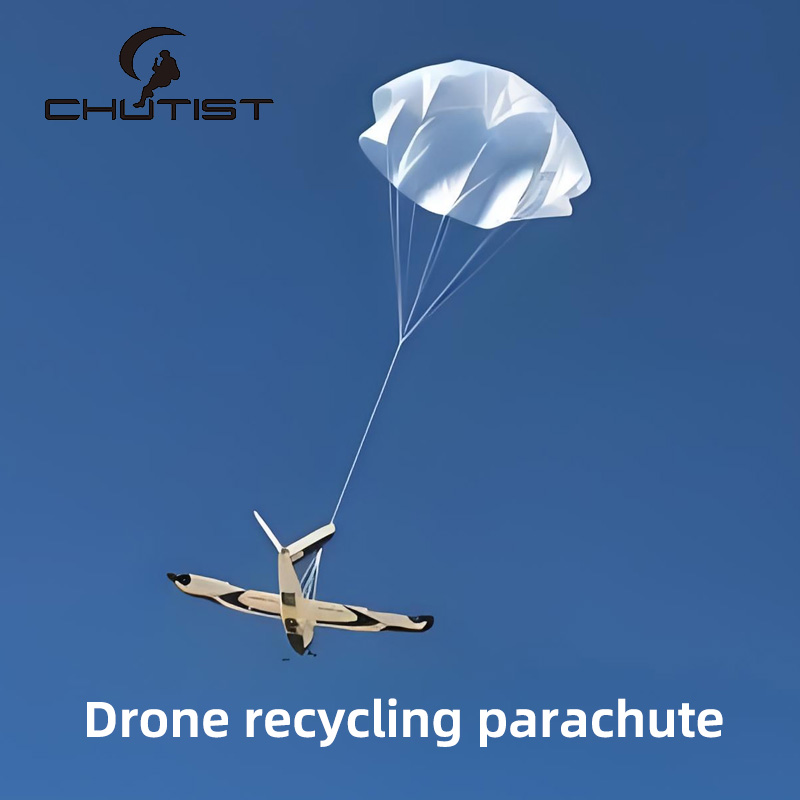
Civil Aviation Administration of China (CAAC) oversees parachute standards for aviation and UAV operations.
Certification Categories
Personnel Parachutes
Used in aviation sports, civil aviation training, and emergency egress.
Required to comply with CAAC-approved national or industry standards, including GB/T and AQ specifications.
UAV Recovery and Cargo Parachutes
Must meet CAAC standards for controlled descent, load-bearing, and deployment reliability.
Key Requirements
Material certification demonstrating fabric strength, elasticity, and environmental resistance.
Performance testing, including drop tests under operational payloads.
Traceable production processes with quality control and batch documentation.
Inspection and maintenance procedures aligned with operational cycles.
International Considerations
Many parachute manufacturers design systems to meet multiple national standards to simplify global market access.
Operators importing parachutes must ensure compliance with local regulatory frameworks even if the parachute is certified elsewhere.
Standards typically cover:
Canopy and line strength
Deployment characteristics
Descent rate and stability
Material durability and environmental resistance
Manufacturer Role in Certification
Manufacturers provide testing data, material documentation, and production quality records required for certification.
Experienced producers, like Nanjing Hongguang General Aviation Equipment Technology Co., Ltd., integrate international regulatory requirements into design, ensuring compliance across FAA, EASA, and CAAC frameworks.
Certification processes often include:
Prototype testing under specified loads
Full-scale drop tests
Production audits and batch verification
Practical Implications for Operators
Always verify that parachutes used for training, sports, or UAV recovery comply with local regulatory standards.
Maintain documentation of certification, inspection, and maintenance, as regulators may request proof of compliance.
Understand that weight, canopy type, and deployment method may influence which certification category applies.
Operators should select parachutes designed for both performance reliability and regulatory compliance, reducing operational risk.
Summary Table: Parachute Certification by Region
| Region | Governing Body | Key Standards | Applicability |
|---|---|---|---|
| United States | FAA | TSO-C23, 14 CFR Part 21/91 | Personnel parachutes, cargo, UAV recovery |
| Europe | EASA | CS-22, CS-23, Part-21 | Sport, training, UAV, cargo parachutes |
| China | CAAC | National GB/T standards, AQ specs | Personnel, training, UAV, specialized parachutes |
| International | Varies | Harmonized design & testing protocols | Multi-country compliance for export or global operation |
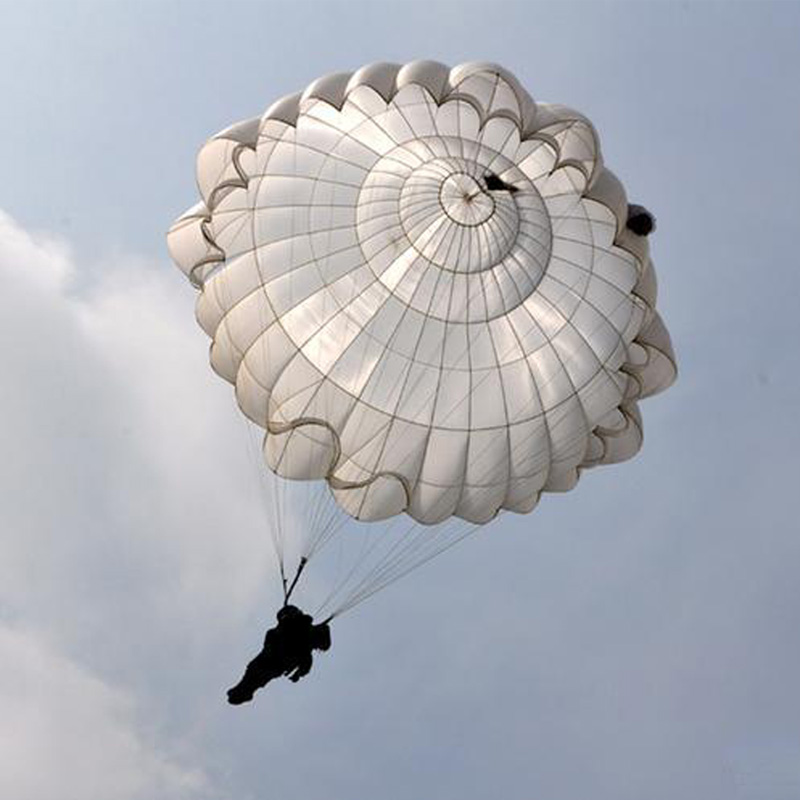
Parachute certification requirements differ significantly between countries but share a common goal: ensuring safe, reliable, and predictable performance. Certification encompasses material integrity, canopy and line strength, deployment characteristics, and documented production processes.
Manufacturers with extensive expertise, such as Nanjing Hongguang General Aviation Equipment Technology Co., Ltd., design parachutes to comply with FAA, EASA, and CAAC standards. This approach ensures that parachutes used for training, sport, UAV recovery, or cargo operations meet global regulatory requirements while maintaining high safety and reliability standards.


