
How to Pack a Sports Backpack for Long Trips

Practical Guide for Comfort, Efficiency, and Safety
Packing a sports backpack properly for long trips is not just about fitting everything inside. It directly affects comfort, weight balance, accessibility, and even safety during extended outdoor activities. Whether you are planning a multi-day hike, long-distance travel, outdoor training, or adventure sports, knowing how to organize your backpack efficiently can significantly improve your experience.
This guide explains how to pack a sports backpack for long trips step by step, covering weight distribution, item categories, packing techniques, and common mistakes to avoid. The principles apply to hiking backpacks, tactical backpacks, travel backpacks, and professional outdoor gear packs.
Why Proper Backpack Packing Matters on Long Trips
On short trips, poor packing may only cause minor inconvenience. On long trips, it can lead to:
Shoulder and lower back strain
Poor posture and fatigue
Slow access to essential items
Increased risk of injury or equipment damage
Reduced mobility during climbing, trekking, or long walks
A well-packed sports backpack helps maintain balance, reduces physical stress, and keeps critical gear accessible when needed.
Step 1: Choose the Right Sports Backpack First
Before packing begins, ensure the backpack itself is suitable for long trips.
Key features to look for include:
Capacity: Typically 40–70 liters for long trips, depending on duration
Ergonomic design: Padded shoulder straps, adjustable sternum strap, and hip belt
Compartment layout: Multiple sections for organized packing
Durable materials: Ripstop nylon or polyester with reinforced stitching
Breathable back panel: Helps reduce sweat and heat buildup
Packing efficiency starts with a backpack designed for extended use.
Step 2: Categorize All Items Before Packing
Instead of packing randomly, divide your gear into functional categories. This helps you visualize space usage and avoid overpacking.
Common categories include:
Clothing
Sleeping gear
Food and cooking equipment
Personal items and hygiene products
Tools and accessories
Emergency and safety equipment
Lay everything out before packing. This step alone often reveals unnecessary items that can be left behind.

Step 3: Understand Weight Distribution Principles
Correct weight distribution is the most important rule when packing a sports backpack for long trips.
Heavy Items: Close to the Back and Centered
Place the heaviest items:
Near your spine
In the middle of the backpack
Between shoulder blades, not at the bottom
Examples include:
Water reservoirs
Food supplies
Cooking equipment
Batteries or tools
This keeps your center of gravity stable and reduces back strain.
Medium-Weight Items: Around Heavy Core
Medium-weight items should surround the heavy core to stabilize it.
Examples:
Folded clothing
Sleeping bags
Shoes or spare gear
These items act as natural padding and prevent heavy objects from shifting.
Light Items: Top and Outer Compartments
Lightweight and frequently used items go near the top or in external pockets.
Examples:
Rain jacket
First-aid kit
Snacks
Headlamp
Gloves or hat
This ensures quick access without unpacking the entire backpack.
Step 4: Pack Clothing the Smart Way
Clothing often takes up the most space if packed inefficiently.
Best practices include:
Roll clothes instead of folding
Use compression or storage bags
Separate clean and dirty clothes
Pack quick-dry and multi-purpose clothing
Place clothing in waterproof bags to protect against rain or moisture, especially for long trips.
Step 5: Organize Sleeping and Rest Gear
Sleeping equipment is usually bulky but lightweight.
Recommended placement:
Sleeping bag at the bottom of the main compartment
Sleeping pad rolled or folded against the back panel or attached externally
Pillow compressed or used as padding for other items
Keep sleeping gear dry at all times, as moisture can ruin comfort and warmth.
Step 6: Food and Cooking Equipment Placement
For long trips, food planning and storage are critical.
Tips for packing food:
Divide food into daily portions
Use odor-proof or sealed bags
Keep cooking equipment together
Store fuel safely and upright
Place food close to your back to maintain balance, especially if carrying several days’ supply.
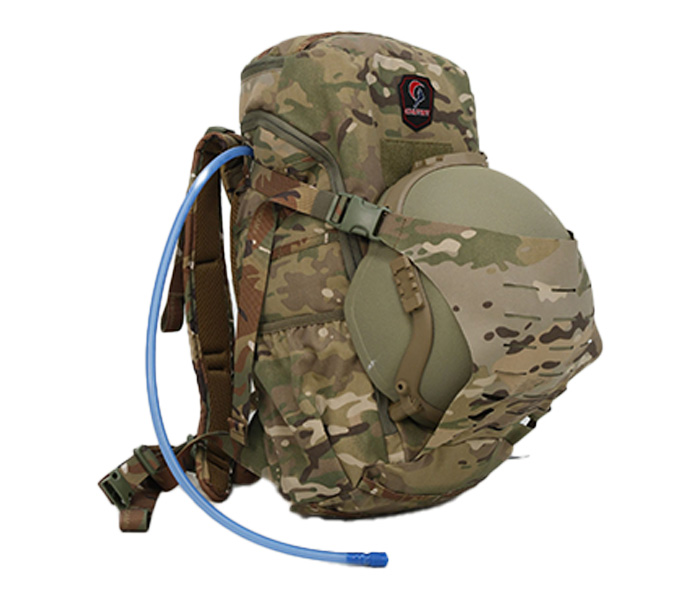
Step 7: Use External Straps and Attachment Points Wisely
Many sports backpacks include external straps, loops, and MOLLE systems.
Suitable items for external attachment:
Trekking poles
Camp bed or folding mat
Tent poles
Wet or dirty gear
Avoid attaching heavy items externally, as this disrupts balance and increases fatigue.
Step 8: Keep Emergency and Safety Gear Accessible
Never bury emergency items at the bottom of your backpack.
Essential safety gear includes:
First-aid kit
Emergency shelter or blanket
Whistle or signaling device
Flashlight or headlamp
Protective gear if required
These items should be reachable within seconds.
Step 9: Adjust and Test the Backpack Before Departure
After packing, adjust the backpack properly:
Tighten the hip belt first
Adjust shoulder straps evenly
Secure the sternum strap
Tighten load-lifter straps
Walk with the backpack for several minutes. If it feels unstable or uncomfortable, repack and rebalance.
Common Packing Mistakes to Avoid
Many long-trip issues come from simple mistakes:
Overpacking unnecessary items
Placing heavy items too low or too far from the back
Ignoring waterproof protection
Poor compartment organization
Failing to test-pack before departure
Avoiding these mistakes saves energy and prevents discomfort.
Packing Tips for Different Long-Trip Scenarios
Hiking and Trekking Trips
Focus on weight reduction, breathable clothing, and balanced load distribution.
Travel and Multi-City Trips
Use modular packing with storage bags for quick access and security.
Tactical or Training Use
Prioritize durability, quick-access compartments, and stable load configuration.

Learning how to pack a sports backpack for long trips is a skill that improves with experience. A well-organized backpack enhances comfort, efficiency, and safety, allowing you to focus on the journey rather than discomfort or inconvenience.
By following structured packing principles, understanding weight distribution, and choosing the right backpack design, long trips become more enjoyable and less physically demanding—no matter the terrain or destination.


