
Outdoor Equipment for Extreme Weather Conditions
Outdoor operations in extreme weather environments require specialized equipment designed to protect users from temperature extremes, strong winds, heavy precipitation, and prolonged exposure. Proper equipment selection is essential for maintaining safety, mobility, and operational efficiency under harsh environmental conditions.
This guide explains the technical requirements, material considerations, and functional design principles for outdoor equipment used in extreme weather conditions.
Common Extreme Weather Scenarios
Outdoor equipment may be required to perform under:
Severe cold and sub-zero temperatures
High heat and prolonged solar exposure
Heavy rain, snow, or sleet
Strong winds and sand or dust environments
Rapid and unpredictable weather changes
Each condition presents different performance challenges and demands specific protective features.
Core Equipment Categories
1. Protective Outerwear
Extreme-weather outerwear should provide:
Wind resistance to reduce heat loss
Waterproof or water-repellent outer layers
Thermal insulation for cold environments
Breathability to manage moisture buildup
Layered clothing systems allow users to adjust protection based on activity intensity.
2. Insulation Systems
Effective insulation materials include:
Synthetic thermal fibers with moisture resistance
Down insulation for high warmth-to-weight efficiency
Hybrid systems combining insulation and ventilation zones
Insulation performance must remain stable even under compression or moisture exposure.

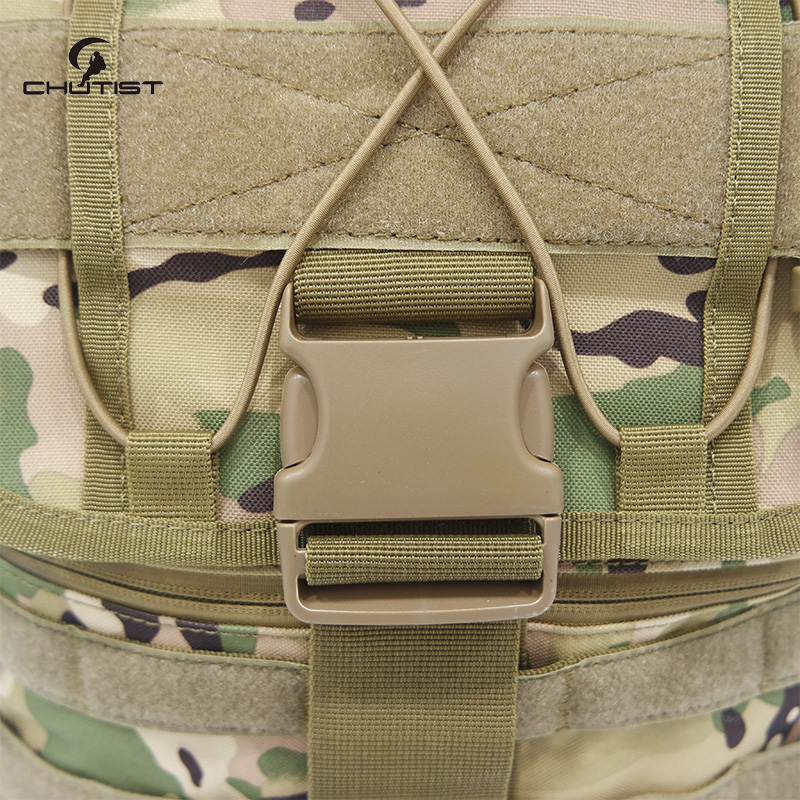
3. Weather-Resistant Backpacks and Storage
Equipment storage systems should offer:
Waterproof or sealed compartments
Reinforced fabrics resistant to abrasion and tearing
Structural stability under heavy loads
Backpacks must protect critical supplies such as food, communication devices, and safety gear.
4. Hand and Foot Protection
Extreme weather significantly affects extremities:
Insulated gloves with dexterity preservation
Waterproof footwear with thermal lining
Anti-slip soles for icy or wet surfaces
Maintaining circulation and traction is critical for safety.
5. Shelter and Support Equipment
Depending on the mission or activity, this may include:
Lightweight emergency shelters
Thermal sleeping systems
Ground insulation mats
Wind-resistant tent structures
Shelter equipment plays a key role in long-duration exposure scenarios.
Material Performance Requirements
Outdoor equipment for extreme environments should use materials that provide:
High tear resistance under low temperatures
Stable flexibility without brittleness
UV resistance for high-altitude or desert use
Consistent performance after repeated exposure cycles
Material degradation under extreme conditions can significantly reduce safety margins.

Ergonomic and Mobility Considerations
Even under heavy protective configurations, equipment must allow:
Full range of motion
Balanced load distribution
Minimal restriction during climbing, walking, or rescue movement
Poor ergonomics increase fatigue and injury risk.
Testing and Reliability Factors
Professional-grade outdoor equipment is typically evaluated through:
Temperature cycling tests
Waterproof and wind resistance testing
Abrasion and fatigue testing
Load-bearing performance verification
Testing ensures reliability before field deployment.
Manufacturing Perspective
Experienced producers such as Nanjing Hongguang General Aviation Equipment Technology Co., Ltd. apply engineering-based approaches to extreme-weather equipment by:
Selecting materials validated for harsh environments
Reinforcing structural stress points
Designing systems that maintain function under prolonged exposure
This focus supports dependable performance across diverse operational conditions.
Outdoor equipment designed for extreme weather conditions must prioritize:
Environmental protection and thermal regulation
Durable and weather-resistant materials
Ergonomic design for extended use
Verified performance through structured testing
By understanding these technical principles, users can select equipment that supports safety, efficiency, and operational reliability in the most demanding outdoor environments.


