
Hot Air Balloon Production Capability Assessment
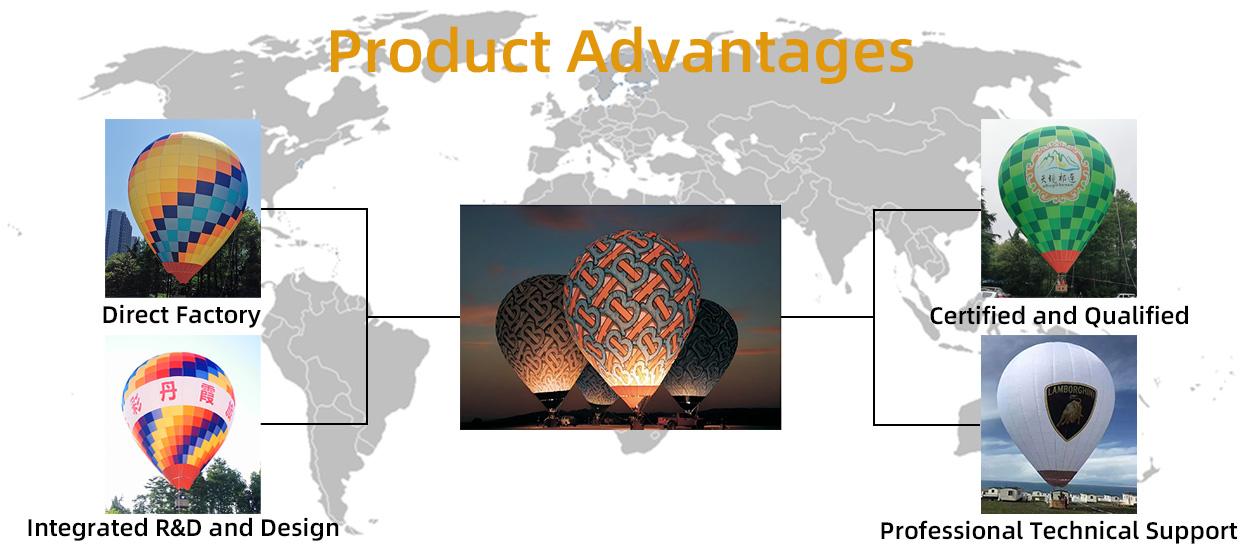
Assessing the production capability of a hot air balloon manufacturer is a critical step for commercial operators, tourism investors, government procurement bodies, and aviation service providers. Unlike recreational balloon purchases, institutional and commercial acquisition requires structured evaluation of manufacturing capacity, quality control systems, certification compliance, and long-term support capability.
A hot air balloon is not simply a fabric envelope and burner system. It is an integrated aviation product that must meet structural, thermal, and operational safety standards. Production capability assessment ensures that a manufacturer can deliver consistent, certified, and supportable balloon systems at scale.
This article outlines the key criteria buyers and regulators use when evaluating hot air balloon production capability.
1. Manufacturing Infrastructure and Facility Scale
The first indicator of production capability is the manufacturer’s physical infrastructure.
A capable hot air balloon production facility should demonstrate:
Dedicated envelope fabrication workshops
Controlled fabric cutting and stitching zones
Burner assembly and calibration areas
Fuel tank fabrication and pressure testing equipment
Load testing facilities
Final assembly and inspection stations
Facility layout should reflect aviation-grade workflow logic:
Raw material intake and inspection
Controlled production stages
Quality inspection checkpoints
Final assembly and pre-delivery verification
Buyers should verify whether production is centralized or outsourced. Excessive subcontracting may introduce quality variability.
2. Material Sourcing and Traceability Systems
Envelope fabric and structural materials directly influence balloon performance and service life.
Production capability assessment includes review of:
Fabric supplier qualification
Heat-resistant textile standards
UV protection treatments
Coating durability specifications
Structural load-bearing material certifications
Manufacturers should maintain:
Batch traceability records
Incoming material inspection logs
Supplier audit documentation
Material conformity certificates
Traceability ensures that, in case of performance anomalies, affected production batches can be identified and addressed.
3. Envelope Design and Fabrication Precision
The balloon envelope is the primary lifting structure. Production capability includes:
Computer-aided panel design systems
Precision cutting technologies
Reinforcement stitching standards
Load distribution modeling
Temperature resistance validation
Key evaluation points include:
Panel alignment consistency
Reinforcement seam strength
Crown and load tape integrity
Vent system durability
Heat shielding near burner exposure zones
Manufacturers with advanced digital pattern systems typically demonstrate higher repeatability and dimensional accuracy.
4. Burner System Manufacturing Competence
The burner system is the core propulsion and lift control mechanism.
Capability assessment should examine:
Burner frame structural welding quality
Redundant fuel line configuration
Flame stability testing procedures
Thermal output validation
Emergency shutoff reliability
A production-capable manufacturer should maintain:
Pressure testing facilities
Leak detection systems
Fuel valve calibration protocols
Performance testing documentation
Burner assembly precision directly impacts flight safety and fuel efficiency.

5. Basket and Structural Integration
Basket construction must meet load and shock absorption requirements.
Assessment criteria include:
Frame material selection
Load-bearing certification
Impact absorption design
Attachment point reinforcement
Passenger compartment configuration
Manufacturers should demonstrate:
Load testing documentation
Drop simulation testing (if applicable)
Structural fatigue evaluation
Commercial operators especially require baskets designed for passenger volume, weight distribution, and operational durability.
6. Quality Control Systems
Production capability is inseparable from quality management systems.
Indicators of strong quality control include:
ISO-certified production management
Documented inspection procedures
In-process quality checkpoints
Final acceptance inspection protocols
Non-conformance reporting systems
Manufacturers should be able to provide:
Quality manuals
Inspection checklists
Production deviation handling procedures
Corrective action documentation
Consistency is more important than output speed in aviation manufacturing.
7. Certification and Regulatory Compliance
Hot air balloon manufacturers must comply with national aviation certification frameworks.
Capability assessment includes verification of:
Type certification status
Civil aviation authority approval
Design conformity documentation
Production organization approval (if applicable)
Airworthiness release procedures
Export-oriented manufacturers should also demonstrate:
International regulatory familiarity
Export documentation capability
Certification support for foreign registration
Without certification competence, delivery timelines may be significantly delayed.
8. Production Capacity and Scalability
For commercial buyers planning fleet operations, production scalability matters.
Assessment should examine:
Annual production volume
Current order backlog
Lead times for standard configurations
Capacity to increase output
Workforce technical skill level
Production capacity must be balanced with quality retention. Rapid scaling without structured process control increases defect risk.

9. Engineering and R&D Capability
A manufacturer’s long-term production reliability depends on its engineering foundation.
Indicators include:
In-house design engineering teams
Finite element structural analysis capability
Thermal modeling expertise
Continuous product improvement programs
Feedback-based design optimization
Manufacturers with engineering resources are better positioned to:
Customize balloon configurations
Adapt to regulatory updates
Address performance improvement requests
Support mission-specific modifications
10. Testing and Validation Procedures
Production capability requires formal testing procedures before delivery.
Evaluation should confirm:
Envelope inflation ground testing
Burner ignition reliability tests
Fuel system pressure validation
Structural load confirmation
Operational simulation testing
Documented test results should be included in delivery packages.
11. Supply Chain Stability
Hot air balloon production depends on reliable supply of:
Specialized textiles
Heat-resistant materials
Fuel system components
Structural metals
Valves and safety hardware
Buyers should assess:
Supplier diversification
Backup sourcing capability
Inventory buffer strategies
Risk mitigation planning
Supply chain fragility may affect production continuity.
12. After-Sales and Lifecycle Support
Production capability is not limited to delivery.
Manufacturers should provide:
Maintenance manuals
Spare parts availability
Envelope replacement programs
Burner overhaul services
Technical training support
Fleet operators require predictable long-term support.
Lifecycle service capability often differentiates industrial manufacturers from small-scale workshops.
13. Documentation and Technical Data Package
Professional manufacturers supply complete technical documentation, including:
Operating manuals
Maintenance schedules
Airworthiness certificates
Material conformity certificates
Test reports
Weight and balance documentation
Comprehensive documentation reflects mature production systems.
14. Production Workforce Expertise
Skilled technicians are essential in textile aviation manufacturing.
Assessment criteria include:
Technician certification level
Training programs
Welding qualification standards
Fabric handling experience
Quality inspection training
Experienced production teams reduce defect variability and improve structural consistency.

15. Risk Indicators in Production Assessment
Buyers should be cautious if they observe:
Incomplete certification documentation
Lack of traceability systems
Excessive reliance on subcontractors
Absence of load testing records
Limited engineering staff
Poor documentation practices
These factors may signal structural production weaknesses.
Conclusion
Hot air balloon production capability assessment requires a structured evaluation across:
Infrastructure
Materials and traceability
Envelope fabrication precision
Burner manufacturing competence
Structural integration
Quality control systems
Certification compliance
Scalability
Engineering strength
Testing procedures
Lifecycle support
A capable manufacturer demonstrates not only the ability to assemble balloon systems, but also the organizational maturity to ensure airworthiness, safety, and long-term operational reliability.
For commercial operations, institutional procurement, or fleet expansion projects, production capability assessment is a foundational step in ensuring that delivered balloon systems meet both regulatory standards and mission requirements.


