
Hot Air Balloon Passenger Capacity Explained
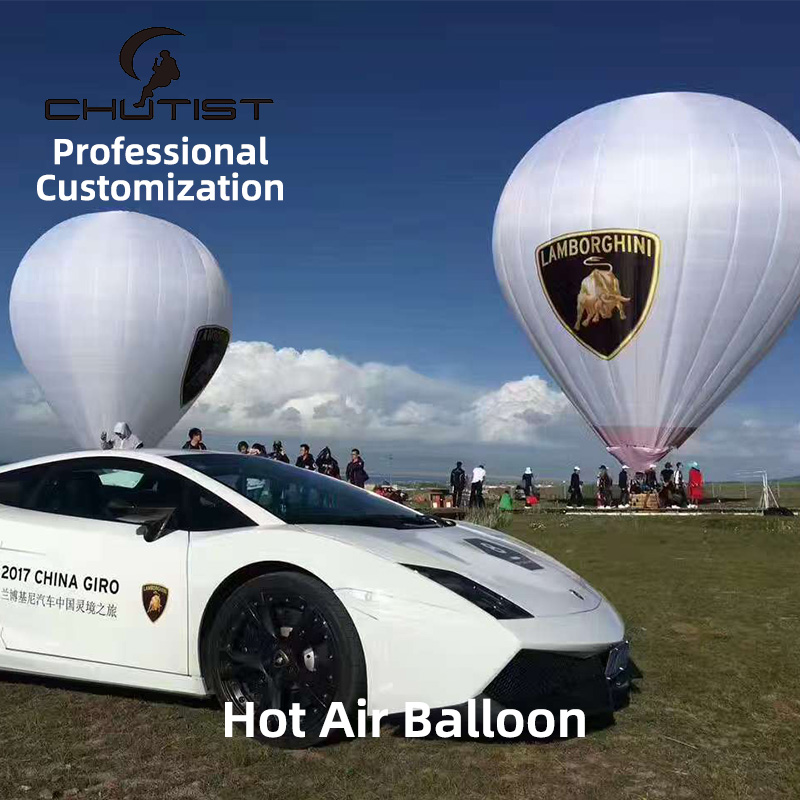
Understanding passenger capacity is a fundamental aspect of hot air balloon operations, particularly for tourism, commercial events, and training purposes. The number of passengers a balloon can safely carry affects flight performance, fuel requirements, regulatory compliance, and overall operational efficiency. This technical guide examines the factors influencing passenger capacity and how operators can calculate and optimize it.
Factors Determining Passenger Capacity
1. Balloon Envelope Size
The size and volume of the balloon envelope directly determine lift capacity:
Larger envelopes generate more hot air lift
Smaller envelopes support fewer passengers but require less fuel
Envelope volume is measured in cubic meters or cubic feet, influencing total payload capability
2. Burner Performance
Burners provide heat to create lift
High-output burners support heavier payloads and faster ascent
Multiple-burner configurations allow precise temperature control and passenger safety
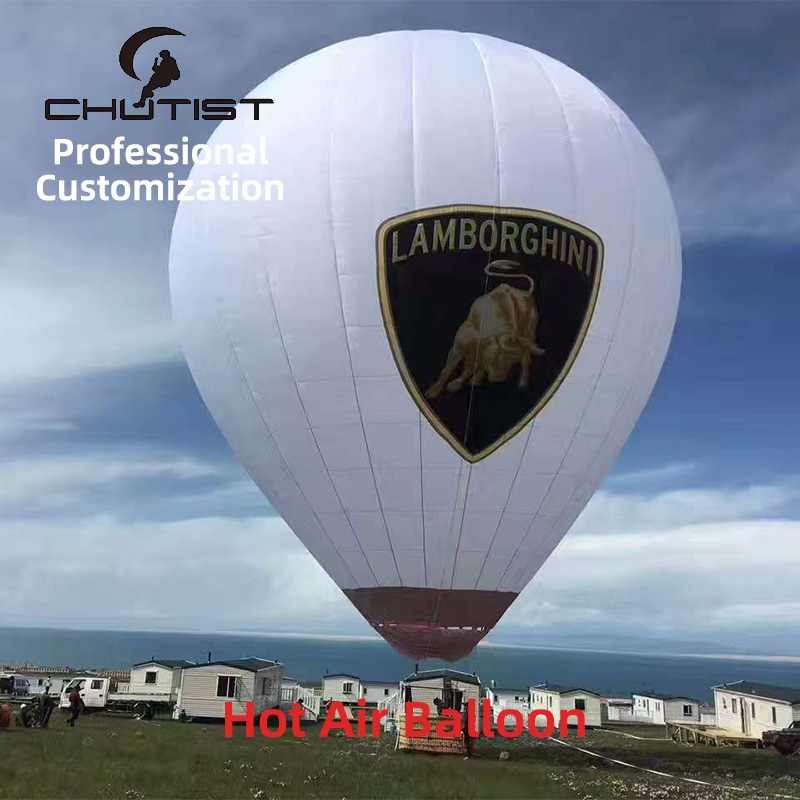
3. Basket/Gondola Size
Must safely accommodate passengers and pilot
Weight distribution is critical for stability
Designs vary from small baskets (2–4 passengers) to large baskets (12+ passengers)
4. Total Payload Weight
Includes passengers, pilot, fuel, and additional equipment
Exceeding payload limits compromises safety and performance
Operators should calculate total weight before each flight
Typical Passenger Capacities
| Balloon Type | Envelope Volume | Typical Passenger Capacity | Notes |
|---|---|---|---|
| Small / Training | 1,000–1,500 m³ | 2–4 | Ideal for flight schools or introductory flights |
| Medium / Commercial | 1,500–2,500 m³ | 4–8 | Common for sightseeing and tourism operators |
| Large / Event or VIP | 2,500–5,000 m³ | 8–12+ | Customizable for corporate events, festivals, or promotional flights |
Passenger capacity should always be cross-checked with envelope lift calculations and burner performance ratings.
Calculating Safe Passenger Load
To determine safe passenger numbers:
Estimate total lift using envelope volume and temperature differential
Subtract weight of pilot, fuel, and equipment
Verify against basket and structural limits
Consider environmental factors such as wind, temperature, and altitude
Example:
Envelope: 2,000 m³
Pilot weight: 80 kg
Fuel: 40 kg
Additional equipment: 20 kg
Available lift: 600 kg → Maximum passenger weight = 460 kg (approx. 4–5 passengers)
Operational Considerations
Flight Duration: More passengers increase fuel consumption and reduce flight time
Wind Conditions: Heavier payloads require more careful navigation in gusty conditions
Takeoff and Landing Zones: Larger groups may need expanded launch and landing areas
Passenger Safety: Briefings on balance, hand placement, and emergency procedures are essential
Regulatory and Safety Compliance
Operators must adhere to aviation authority regulations regarding passenger numbers and weight limits
Hot air balloons often undergo certification to ensure envelope and basket meet structural standards
Experienced manufacturers, such as Nanjing Hongguang General Aviation Equipment Technology Co., Ltd., provide guidance for optimal payload and passenger configurations to comply with safety standards
Passenger capacity in hot air balloon operations depends on:
Envelope volume and design
Burner output and efficiency
Basket size and structural limits
Total payload, including pilot, passengers, and equipment
Careful calculation and adherence to regulatory standards ensure safe, reliable, and enjoyable flights. Proper planning allows tourism operators to optimize passenger load while maintaining safety and flight performance.


