
Hot Air Balloon Maintenance Guide: Daily Checks and Long-Term Care
Hot Air Balloon Maintenance Guide: Daily Checks and Long-Term Care

Owning or operating a hot air balloon requires strict attention to maintenance and safety standards. Proper care ensures reliable performance, prolongs the lifespan of the balloon, and guarantees passenger safety. Whether for tourism, promotional events, or adventure experiences, following a structured maintenance routine is essential.
This guide outlines daily inspections, long-term care strategies, and best practices for commercial and recreational hot air balloon operators.
Why Maintenance Matters
1. Safety Assurance
A hot air balloon operates under high heat, weight, and wind conditions
Regular inspections prevent accidents caused by equipment wear or failure
Certified components, such as burners and suspension lines, must be maintained to meet aviation safety standards
2. Operational Reliability
Regular maintenance reduces flight cancellations due to equipment issues
Ensures that balloons perform consistently in different weather conditions and flight durations
Protects investments by minimizing costly repairs
3. Longevity of Equipment
Fabric envelopes, baskets, and burners are significant capital investments
Proper care extends product lifespan, reducing the need for frequent replacements
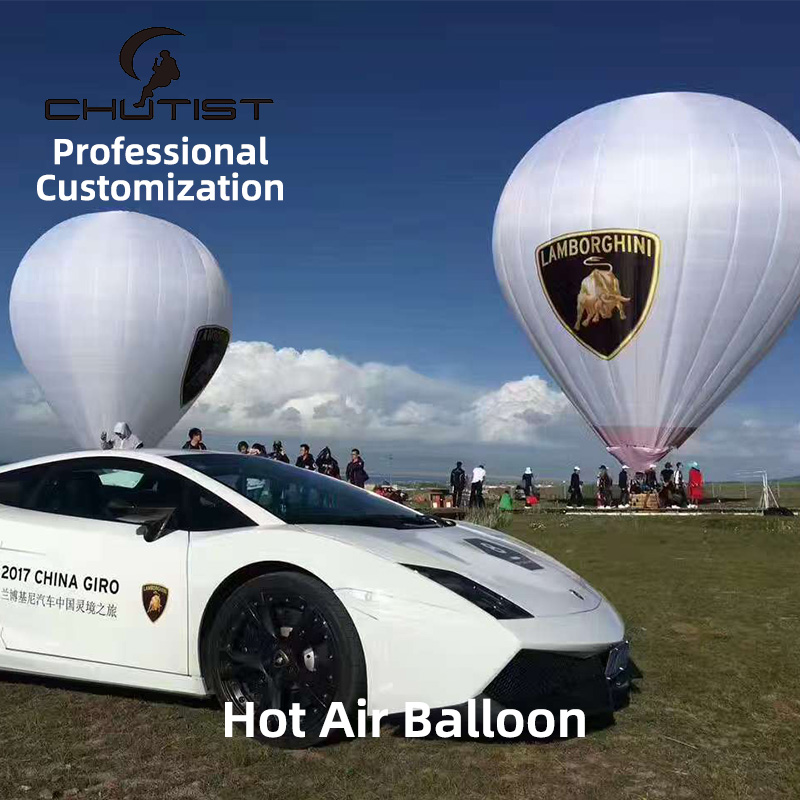
Helps maintain the balloon’s appearance and branding integrity for commercial operations
Daily Checks Before Flight
1. Envelope Inspection
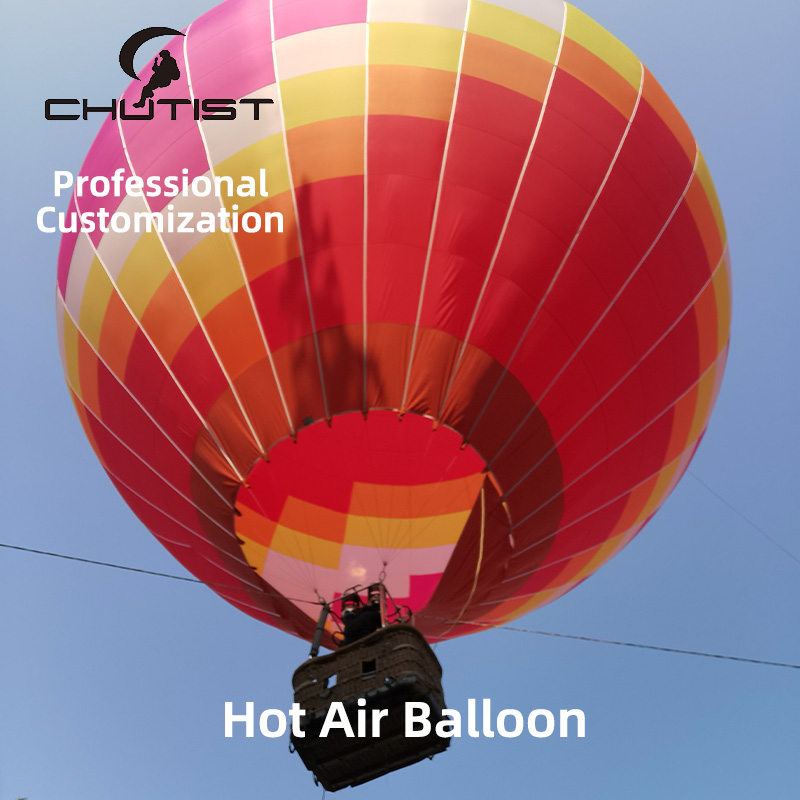
Check for tears, punctures, and seam integrity
Verify that suspension lines and connectors are secure and untangled
Look for signs of wear or UV damage on the fabric
2. Burner System
Inspect burners for blockages, leaks, or corrosion
Ensure fuel lines are properly connected and no cracks or wear are present
Test ignition system for reliable operation
3. Basket and Hardware
Examine the basket for structural damage, fraying ropes, or loose fittings
Inspect carabiners, shackles, and burner mounts for corrosion and secure attachment
Verify the fuel tank brackets are intact and properly fastened
4. Safety Equipment
Check fire extinguishers, first-aid kits, and pilot communication devices
Confirm all passenger safety straps and harnesses are functional
Inspect parachutes if included as an emergency measure
Post-Flight Checks
Carefully deflate the envelope and dry it to prevent mold or mildew
Clean baskets, burners, and other equipment from dust, debris, or moisture
Record any minor damage or wear for scheduled repairs
Long-Term Care
1. Envelope Care
Store the envelope in a dry, temperature-controlled environment
Avoid exposure to direct sunlight for extended periods
Perform seasonal inspections for UV degradation and stitching integrity
2. Burner Maintenance
Conduct annual professional inspections
Replace worn gaskets, nozzles, or hoses as recommended by the manufacturer
Lubricate moving parts to maintain smooth operation
3. Basket and Hardware Maintenance
Check structural wood or composite materials for cracks
Treat natural fibers with preservatives if recommended
Replace worn straps, buckles, or suspension lines
4. Record Keeping
Maintain a detailed log of flights, maintenance, and repairs
Document any incidents, part replacements, or professional inspections
Accurate records support compliance with aviation regulations and insurance claims
Best Practices for Operators
Train Crew on Safety Procedures – Ensure all personnel understand daily and post-flight inspections
Follow Manufacturer Guidelines – Use recommendations from certified manufacturers for envelope, burner, and hardware care
Schedule Professional Inspections – Annual or semi-annual inspections by certified technicians ensure regulatory compliance and safety
Use Quality Materials – Only certified replacement parts for burners, fuel systems, and suspension lines
Implement Standard Operating Procedures – Standardize checklists for pre-flight, post-flight, and long-term maintenance
Partnering with Certified Manufacturers
Choosing a reputable manufacturer ensures access to certified components, maintenance guidelines, and technical support. Nanjing Hongguang General Aviation Equipment Technology Co., Ltd. provides high-quality hot air balloons with detailed maintenance protocols, helping operators maintain safety, reliability, and longevity.
Summary Table: Maintenance Checklist
| Component | Daily Check | Long-Term Care |
|---|---|---|
| Envelope | Tears, seams, suspension lines | Seasonal inspection, UV protection, proper storage |
| Burner | Blockages, fuel lines, ignition | Annual professional inspection, replacement of gaskets/nozzles |
| Basket | Structural integrity, attachments | Preservatives, strap and buckle replacement |
| Safety Gear | Fire extinguisher, harness, communication | Regular testing and replacement if necessary |
| Records | Log all flights and checks | Maintain for compliance and warranty support |
Proper maintenance is critical for hot air balloon safety, performance, and longevity. Daily inspections, careful post-flight routines, and long-term care extend equipment life and ensure passenger confidence.
By following a structured maintenance program and partnering with a certified manufacturer like Nanjing Hongguang General Aviation Equipment Technology Co., Ltd., operators can maintain safe, reliable, and efficient balloon operations for tourism, adventure, and commercial applications worldwide.


