
Envelope Material Selection for Hot Air Balloons
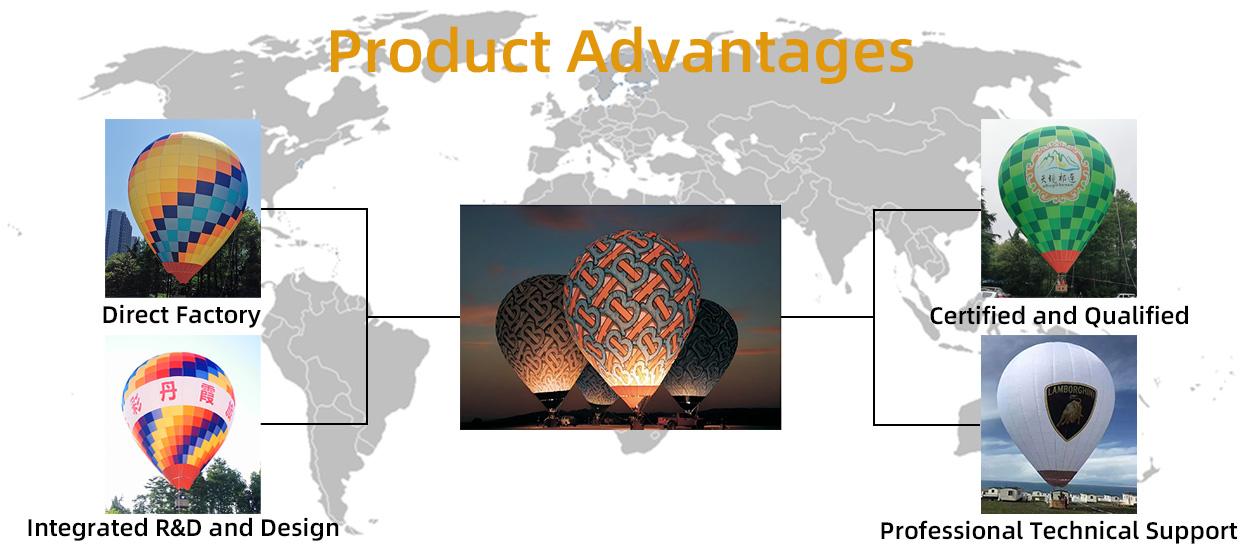
The envelope—the large fabric structure that holds hot air—is the most critical component of a hot air balloon. Its performance directly affects flight safety, durability, and operational efficiency. Buyers, including tourism operators, training institutions, and commercial flight providers, must carefully evaluate material quality, specifications, and manufacturer compliance when selecting balloon envelopes.
This article provides a buyer-focused guide on envelope material selection for hot air balloons.
1. Role of the Envelope in Balloon Operations
The envelope serves multiple key functions:
Containing hot air to generate lift
Maintaining structural integrity under high temperatures and wind loads
Supporting burner and suspension system loads
Ensuring passenger safety and flight stability
Choosing the right envelope material is essential for safety and performance.
2. Common Envelope Materials
Several materials are commonly used in balloon envelopes:
Ripstop Nylon: Lightweight, durable, and resistant to tearing; widely used in commercial balloons
Polyester Fabrics: Offers high UV resistance and dimensional stability; suitable for long-term exposure
Nomex or Aramid Fabrics: Flame-resistant materials used in high-temperature areas or specialty balloons
Coated Fabrics: Silicone or polyurethane coatings improve heat resistance and air retention
Buyers should consider application, durability, and cost when selecting materials.
3. Key Material Properties
Envelope materials must meet critical performance requirements:
Tensile Strength: Ability to withstand internal pressure and wind loads
Tear Resistance: Prevents rips from stress or minor damage
Heat Resistance: Tolerates proximity to burners without degradation
UV Resistance: Prevents weakening or discoloration from sun exposure
Lightweight: Balances strength with manageable envelope weight
Understanding these properties ensures long-term envelope reliability.
4. Material Testing and Certification
Buyers should confirm that envelope materials are tested and certified:
Fire resistance tests to ensure compliance with aviation safety standards
Tensile and tear strength testing under simulated operational conditions
Certification according to national and international aviation regulations
Documentation from manufacturers on material origin and quality control
Testing and certification reduce the risk of envelope failure during operations.
5. Coatings and Treatments
Coatings enhance material performance:
Heat-resistant coatings near burner zones to prevent fabric damage
UV-protective coatings for longer outdoor exposure
Water-repellent treatments to reduce moisture absorption and weight gain
Anti-static or dust-repellent coatings to maintain cleanliness and operational safety
Buyers should evaluate whether coatings meet operational and environmental requirements.
6. Weight and Performance Considerations
Envelope material affects flight characteristics:
Lighter fabrics reduce fuel consumption and improve lift
Heavier or overly thick fabrics may increase burner workload
Material choice impacts handling, inflation, and deflation ease
Proper balance between strength and weight is critical for passenger and crew safety
Manufacturers should provide data on material weight vs. performance trade-offs.
7. Durability and Lifecycle
Envelope material selection impacts long-term costs:
High-quality fabrics resist UV degradation, moisture, and abrasion
Durable materials reduce the frequency of replacement and maintenance
Material longevity contributes to predictable operational costs
Traceable material specifications support insurance and regulatory compliance
Buyers should request manufacturer-provided lifespan estimates and maintenance guidelines.
8. Environmental and Operational Adaptation
Envelope materials must withstand operational environments:
Tropical regions: UV exposure, heat, and humidity
Coastal areas: Salt spray and corrosion-resistant coatings
Mountainous regions: Cold, high winds, and thermal activity
Variable tourist operations: Frequent inflation/deflation cycles
Material selection should match intended operational conditions.
9. Manufacturer Considerations
Reputable manufacturers provide:
Material specifications, test reports, and certifications
Guidance on suitable coatings and treatments for operational environments
Support for custom envelope designs for training, tourism, or institutional use
Documentation for regulatory compliance and airworthiness approvals
Companies like Nanjing Hongguang General Aviation Equipment Technology Co., Ltd. supply certified envelopes tailored for diverse operational needs.
10. Buyer Evaluation Checklist
When selecting envelope materials, buyers should verify:
Material type, tensile strength, and tear resistance
Heat and UV resistance properties
Coatings and treatments for environmental protection
Certification and compliance with aviation regulations
Durability, lifecycle estimates, and maintenance guidance
A careful evaluation ensures safe, reliable, and cost-effective hot air balloon operations.

Envelope material selection is foundational to balloon safety and performance. Buyers should prioritize materials that are:
Durable, heat- and UV-resistant
Lightweight but strong, with proven tear resistance
Tested, certified, and supported by manufacturer documentation
Suited for specific operational environments and flight frequency
By selecting the right envelope material, buyers can ensure long-lasting, safe, and efficient hot air balloon operations for tourism, training, or institutional applications.


