
Certification Requirements for Hot Air Balloons
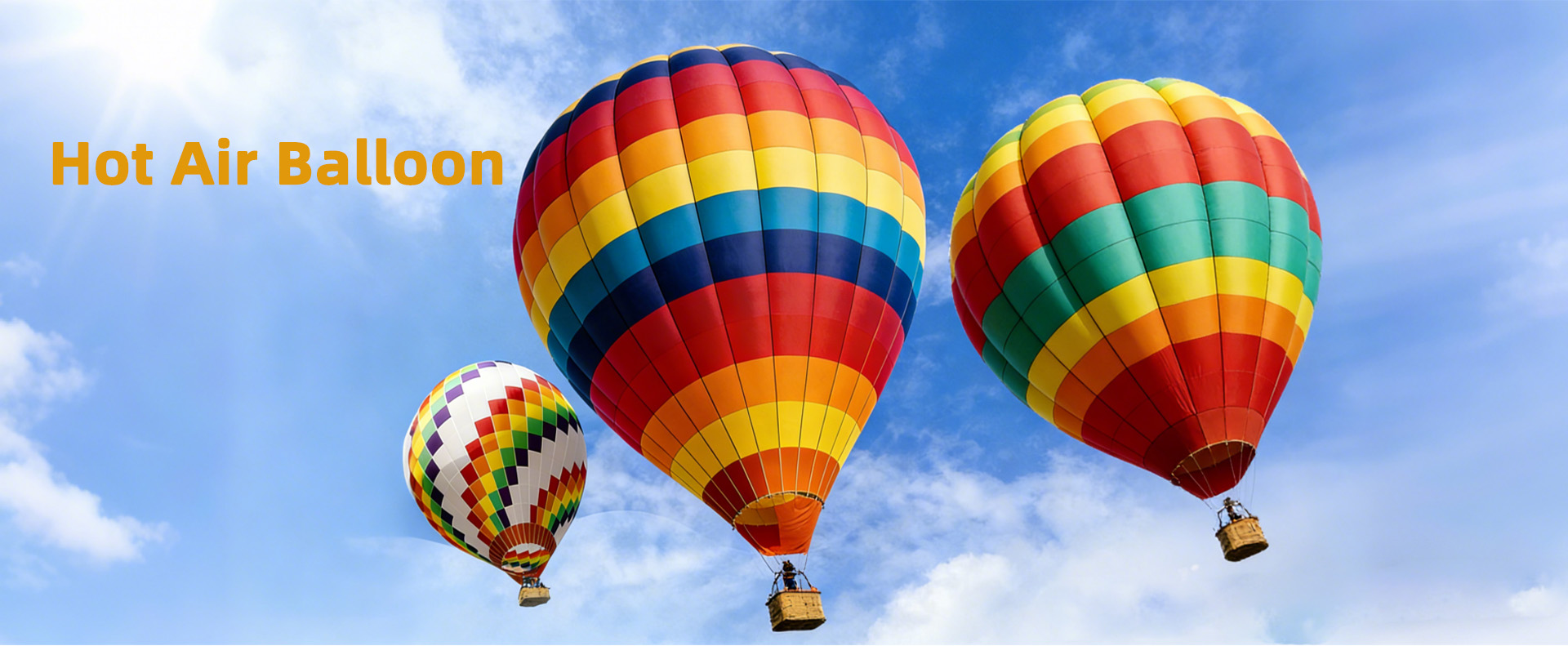
Certification is a critical component of hot air balloon procurement, particularly for commercial operations, tourism projects, government institutions, and educational programs. Hot air balloons are aviation products subject to stringent safety and operational standards, and buyers must ensure that manufacturers can provide fully certified systems that comply with national and international aviation regulations.
This article provides a buyer-oriented overview of the key certification requirements for hot air balloons and how buyers should evaluate manufacturer compliance.
1. National Civil Aviation Authority Approval
Every hot air balloon must meet the regulations of the national civil aviation authority (CAA) in the country of operation. Key certification elements include:
Type certification: Verification that the balloon design meets structural, thermal, and operational standards
Production organization approval: Ensuring the manufacturer follows approved production procedures
Airworthiness certification: Issued after inspection and testing of completed balloon systems
Buyers should confirm that the manufacturer has valid approvals and prior experience with certified balloon deliveries.
2. Envelope Material Certification
The balloon envelope is the primary lift-generating component and must comply with material standards:
Heat-resistant fabrics tested for maximum burner exposure
UV and weather protection standards
Reinforced stitching and load-bearing tapes certified for specified payloads
Traceable documentation confirming material origin and performance
Proper certification ensures long-term reliability and operational safety.
3. Burner System and Fuel Compliance
Burners and fuel systems are critical to safe lift control. Certification includes:
Burner structural integrity testing
Redundant fuel line validation
Flame output and stability verification
Emergency shutoff functionality testing
Compliance with pressure vessel and fuel handling regulations
Certified burners ensure consistent lift performance and risk mitigation.
4. Basket and Structural Compliance
Baskets must support passengers safely while distributing loads evenly. Certification requirements include:
Material and frame strength verification
Load testing for maximum occupancy
Suspension point certification
Passenger restraint and safety features evaluation
Buyers should check manufacturer-provided load test reports and engineering documentation.

5. Operational Documentation and Pilot Requirements
Certification encompasses more than the hardware:
Operating manuals and maintenance guides for each balloon type
Flight operation limits and restrictions
Training requirements for certified pilots
Emergency procedures and risk mitigation instructions
Regulatory compliance ensures that operators can legally and safely conduct flights.
6. International Certification for Export
Manufacturers supplying balloons to foreign buyers must provide:
Compliance with export country aviation regulations
Airworthiness documentation suitable for registration abroad
Support for local certification inspections and approvals
Export certification ensures smooth international operations and legal conformity.
7. Safety Testing and Flight Validation
Certified balloons undergo rigorous testing:
Ground inflation and envelope stress testing
Burner performance verification under operational conditions
Flight testing to validate stability, handling, and emergency procedures
Documentation of all test results
Testing validates that the balloon meets all required safety and operational standards.
8. Risk Mitigation Through Certification
Certification provides buyers with a structured way to assess manufacturer quality and mitigate operational risk:
Verifies material quality and structural integrity
Confirms operational safety systems are implemented
Ensures manufacturer adherence to industry standards
Supports insurance and liability coverage
A certified hot air balloon reduces both operational and legal risks.
9. Manufacturer Evaluation Criteria
Buyers evaluating certification capability should examine:
Number of previous certified deliveries
Documentation completeness: type certificates, airworthiness approvals, inspection reports
In-house compliance team or access to regulatory specialists
Track record of supporting certification for commercial or tourism operations
Manufacturers such as Nanjing Hongguang General Aviation Equipment Technology Co., Ltd. have decades of experience producing certified hot air balloons for institutional and commercial customers.
10. Documentation and Traceability
Certified balloons should be delivered with a complete technical package:
Type certificate copies
Airworthiness certificates
Material conformity certificates
Burner and basket test results
Maintenance and operational manuals
This package is essential for regulatory audits, operational approval, and fleet management.

Certification is fundamental for the safe and lawful operation of hot air balloons. Buyers should ensure that manufacturers:
Possess valid national or international certification
Use certified materials and components
Perform rigorous safety testing and validation
Provide complete technical and operational documentation
Support pilot and operator training requirements
By thoroughly evaluating certification capabilities, buyers can secure reliable, safe, and regulatory-compliant hot air balloons for commercial, tourism, and institutional projects.
Certification not only guarantees compliance but also enhances long-term operational reliability and passenger safety.


