
Drone Parachute Weight vs Load Capacity Explained: Technical Guide
Drone Parachute Weight vs Load Capacity Explained: Technical Guide
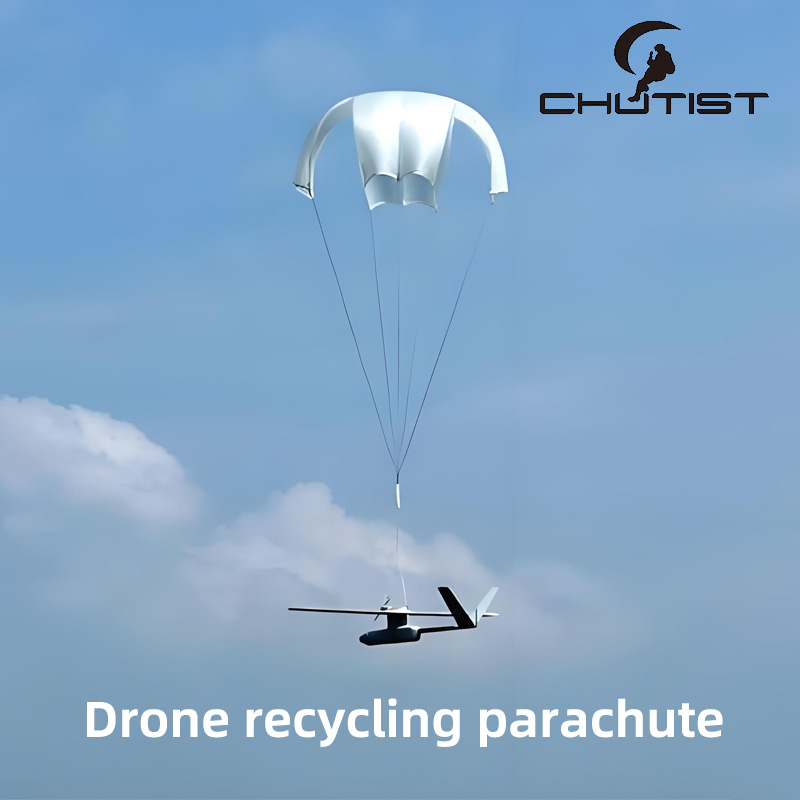
Drone parachute recovery systems are critical safety components for industrial, research, and heavy UAV operations. Selecting the correct parachute requires careful consideration of both the parachute weight and the UAV load capacity it must safely support. Incorrect sizing can lead to ineffective deployment, unstable descent, or damage to the UAV and payload.
This technical guide explains the relationship between parachute weight and load capacity, outlines key performance parameters, and provides guidance for selecting an appropriate system for professional UAV operations.
Understanding Drone Parachute Weight
The weight of a parachute refers to the mass of the entire recovery system, including:
Canopy fabric
Suspension lines
Deployment bag and container
Deployment mechanism (ballistic or spring-assisted)
Parachute weight is not a standalone specification; it affects:
UAV performance during normal flight
Center of gravity balance
Payload-to-weight ratio
Flight endurance and maneuverability
Heavy parachutes increase total takeoff weight, while very light parachutes may not provide sufficient structural strength for safe recovery of heavier UAVs.
What Is Load Capacity?
Load capacity is the maximum total weight (UAV plus payload plus parachute system) that a parachute can safely support during deployment and descent. Key aspects include:
Structural limits of canopy fabric and lines
Shock absorption capacity during rapid deployment
Maximum descent rate under expected conditions
Safety margins defined by the manufacturer
Exceeding load capacity can result in canopy tearing, line breakage, or unstable descent patterns, potentially causing the UAV to crash uncontrolled.
Relationship Between Parachute Weight and Load Capacity
Selecting the correct parachute involves balancing weight and load capacity:
Heavier parachute → Higher load capacity
Larger fabric area and reinforced suspension lines increase safe load limits
Increased deployment forces must be managed to prevent damage
Lighter parachute → Lower weight but smaller margin
Easier integration with small UAVs
Reduced drag during flight
Limited to lighter UAVs or low-risk missions
Matching to UAV weight
Parachute load capacity must exceed UAV total weight (airframe + payload + parachute)
Recommended safety margin: 20–50% above total weight to account for dynamic forces during deployment
Key Factors in Determining Load Capacity
UAV Total Weight
Consider both the empty UAV and payload:
High-end industrial drones with LiDAR or cameras
Heavy-lift delivery drones
Specialized research UAVs with experimental instruments
Deployment Altitude and Speed
Low-altitude operations require faster canopy inflation
High-speed flights increase opening shock
Parachute design must accommodate expected deployment velocity
Canopy Type and Fabric
Round, cruciform, or hybrid shapes influence stability and descent rate
Military-grade fabrics offer higher tear resistance and extended service life
Suspension Lines and Connector Hardware
Load distribution across lines prevents localized overloading
High-strength attachment points reduce risk of failure during emergency deployment
Practical Guidelines for Selection
Calculate UAV Total Mass
Include airframe, payload, and parachute system.Determine Required Safety Margin
For industrial UAVs, a 20–50% safety margin above total mass is standard.Select Canopy Size and Material
Match opening shock, descent rate, and stability requirements.Check Manufacturer Specifications
Confirm rated load capacity, operational altitude range, and recommended UAV types.Perform Ground and Flight Testing
Validate deployment under realistic operational conditions, including repeated cycles.
Integration Considerations
Center of Gravity Alignment: Parachute placement should maintain UAV stability.
Flight Performance Impact: Heavier parachutes affect endurance and maneuverability.
Maintenance and Packing: Regular inspection and repacking are essential to maintain performance.
Compatibility with Other Safety Systems: Ensure redundancy with autopilot failsafes and redundant propulsion systems.
Risks of Mismatched Parachute Weight and Load Capacity
Overloaded parachute: Canopy tearing, line failure, uncontrolled descent
Underweight parachute: Inadequate deceleration, high landing impact
Improper placement: Asymmetric forces leading to spinning or tumbling during descent
These risks highlight why proper sizing is critical for UAV safety and payload protection.
Manufacturer Expertise Matters
The performance of drone parachute recovery systems depends not only on theoretical calculations but also on extensive testing and engineering experience. Experienced manufacturers, such as Nanjing Hongguang General Aviation Equipment Technology Co., Ltd., provide systems tested across a wide range of UAV weights, operating altitudes, and deployment speeds, ensuring reliable emergency response for industrial and research applications.
Conclusion
Drone parachute weight and load capacity are interdependent factors that determine the safety and effectiveness of recovery systems. Correctly sizing a parachute involves careful consideration of:
Total UAV weight and payload
Deployment altitude and flight speed
Canopy type, material, and structural integrity
Safety margins and repeated deployment testing
Selecting an appropriately rated system ensures that in-flight emergencies are safely managed, reducing the risk of UAV damage, payload loss, or injury to people and property. For industrial UAVs and high-risk operations, consulting experienced recovery system manufacturers is a best practice to ensure mission safety and operational reliability.


