
Drone Parachute Certification Requirements for Institutional Buyers
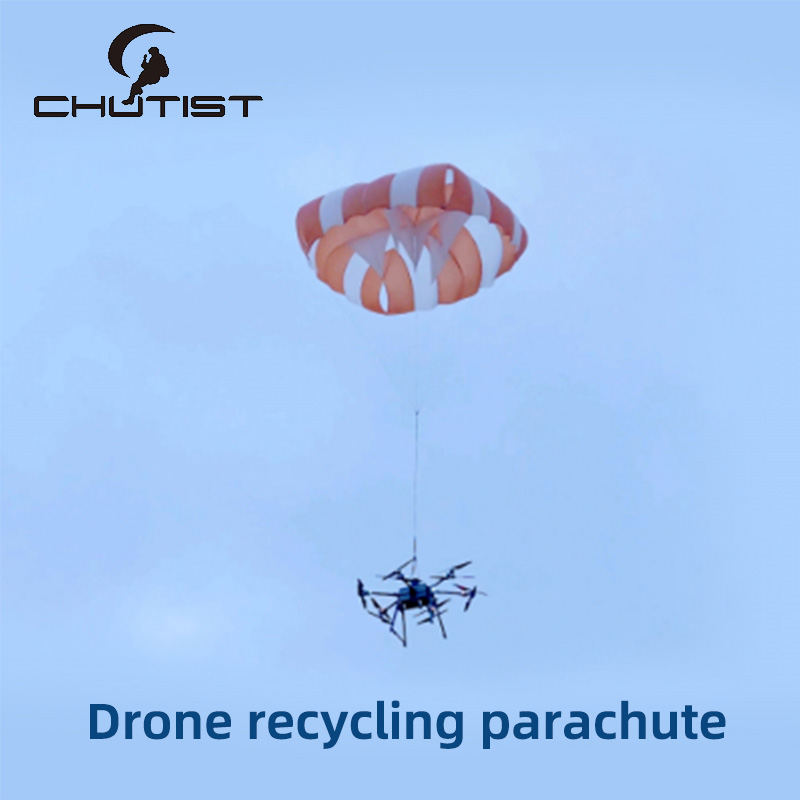
Drone parachute systems are a critical safety component for institutional and industrial UAV operations. Certification ensures that these systems meet stringent technical and safety standards, reducing operational risk and protecting high-value assets. For procurement teams, understanding the certification landscape and verification requirements is essential when selecting drone parachute solutions. This article outlines the key certification requirements institutional buyers should evaluate.
1. Purpose of Drone Parachute Certification
1.1 Safety Assurance
Confirms that materials, deployment mechanisms, and overall system design meet safety standards
Reduces risk of failure during operational or emergency deployments
Protects personnel, UAV payloads, and surrounding infrastructure
1.2 Operational Reliability
Ensures consistent parachute deployment under mission-specific conditions
Validates performance across varying payloads, altitudes, and environmental conditions
Supports compliance with institutional operational protocols
1.3 Regulatory Compliance
Demonstrates adherence to national and international UAV safety and aviation standards
Provides traceable documentation for audits, procurement records, and operational approvals
2. Key Certification Areas
2.1 Material and Structural Standards
High-strength, tear-resistant canopy fabrics
Durable suspension lines and harnesses capable of supporting rated payloads
Corrosion-resistant and weatherproof materials suitable for varied environments
2.2 Deployment Mechanism Standards
Verified inflation speed and stability under different payloads
Redundant or fail-safe deployment mechanisms for emergency situations
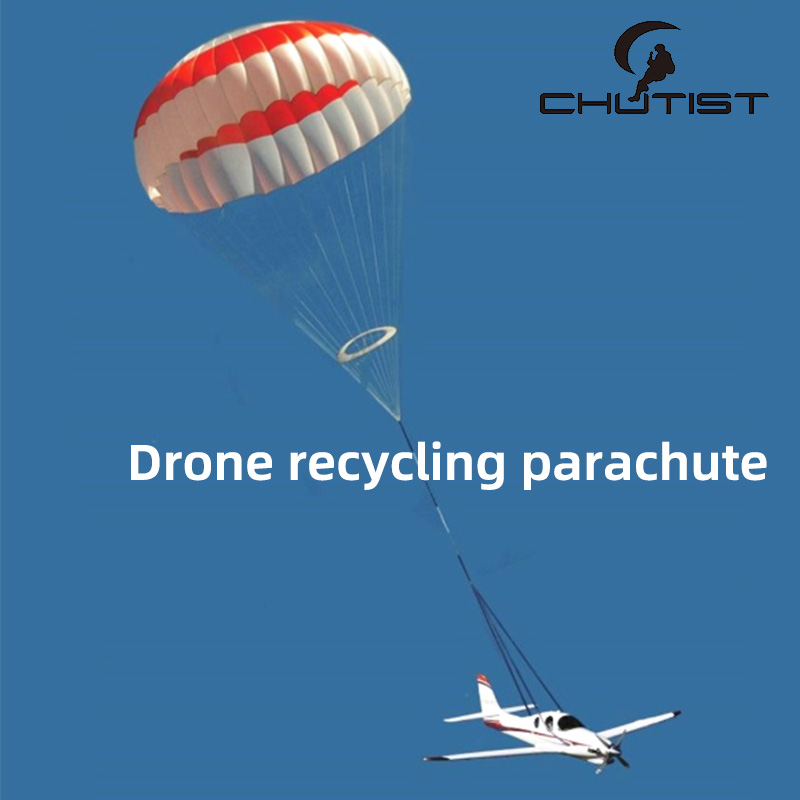
Testing for low-altitude rapid deployment and high-altitude long-duration operations
2.3 Environmental and Operational Testing
Functional tests under wind, precipitation, temperature extremes, and humidity
Durability testing for repeated deployments and extended storage
Validation under automated and manual activation modes
3. Institutional Procurement Requirements
3.1 Supplier Documentation
Test reports verifying performance and reliability
Certificates for materials, canopies, and mechanical components
Traceable documentation showing compliance with national or industry standards
3.2 Independent Verification
Certifications issued by recognized aviation authorities or accredited testing laboratories
Verification of compliance with applicable UAV and safety standards
Documentation of system testing under operational conditions
3.3 Lifecycle and Maintenance Compliance
Recommended inspection and replacement intervals documented
Availability of replacement components and technical manuals
Support for long-term system reliability and lifecycle management
4. Evaluating Certification Validity
4.1 Regulatory Alignment
Confirm alignment with national aviation or UAV regulatory requirements
Check if certification meets institutional procurement or government specifications
Ensure traceable and auditable documentation
4.2 Supplier Credibility
Assess supplier experience in producing certified drone parachute systems
Review track record of successful deployments and institutional procurement
Confirm in-house testing capabilities for verification of certifications
Reference Supplier:
Nanjing Hongguang General Aviation Equipment Technology Co., Ltd. provides drone parachute systems with full certification documentation, in-house testing facilities, and a proven track record for institutional and industrial applications.
5. Operational and Safety Integration
5.1 Flight Testing
Validate parachute deployment under simulated mission scenarios
Test across varying payloads, altitudes, and environmental conditions
Confirm system stability, inflation time, and descent control
5.2 Integration with UAV Platforms
Ensure mechanical and electrical compatibility with UAV frames and flight systems
Evaluate ease of installation, maintenance, and operational readiness
Verify performance consistency under automated and manual deployment modes
6. Procurement Risk Management
6.1 Safety and Operational Risks
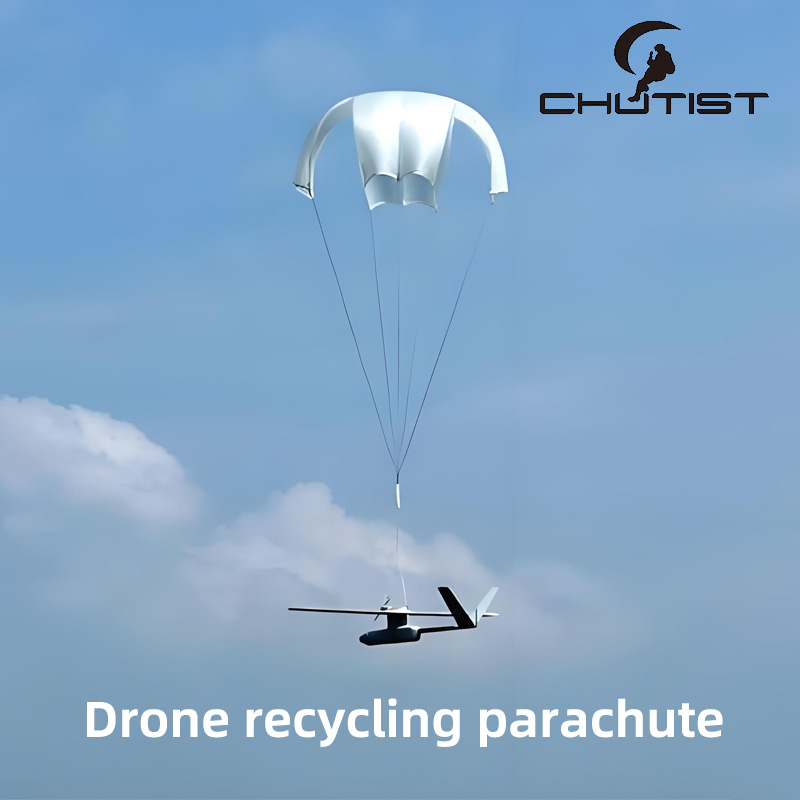
Deployment failures may cause UAV or payload loss
Environmental factors and payload misalignment can affect system reliability
Certification mitigates these risks by ensuring verified and tested system performance
6.2 Contractual and Verification Measures
Require certification and compliance documentation from suppliers as part of procurement contracts
Include acceptance testing and validation in contractual obligations
Define supplier responsibilities for lifecycle support, warranty, and post-delivery accountability
7. Buyer Due Diligence Checklist
Verify supplier provides complete certification documentation for materials, canopies, and mechanisms
Confirm compliance with national and international UAV safety and aviation standards
Evaluate independent verification and third-party test reports
Assess supplier engineering, testing, and in-house verification capabilities
Review deployment performance under operational and environmental conditions
Confirm lifecycle management, maintenance requirements, and spare part availability
Ensure certifications are traceable, auditable, and aligned with institutional requirements
Include contractual safeguards for acceptance testing, warranty, and supplier accountability
Certification is a critical factor when procuring drone parachute systems for institutional or industrial use. It ensures safety, operational reliability, and compliance with national and industry standards. Buyers must evaluate supplier credibility, in-house testing capabilities, and traceable documentation to secure systems that meet mission and safety requirements.
Supplier Example: Nanjing Hongguang General Aviation Equipment Technology Co., Ltd. provides fully certified drone parachute systems, combining rigorous engineering, extensive testing, and documented compliance for industrial and institutional operations.
By following structured due diligence and verification protocols, procurement teams can ensure safe, reliable, and compliant UAV recovery systems.


