
Drone Emergency Parachute Producers and Safety Accountability
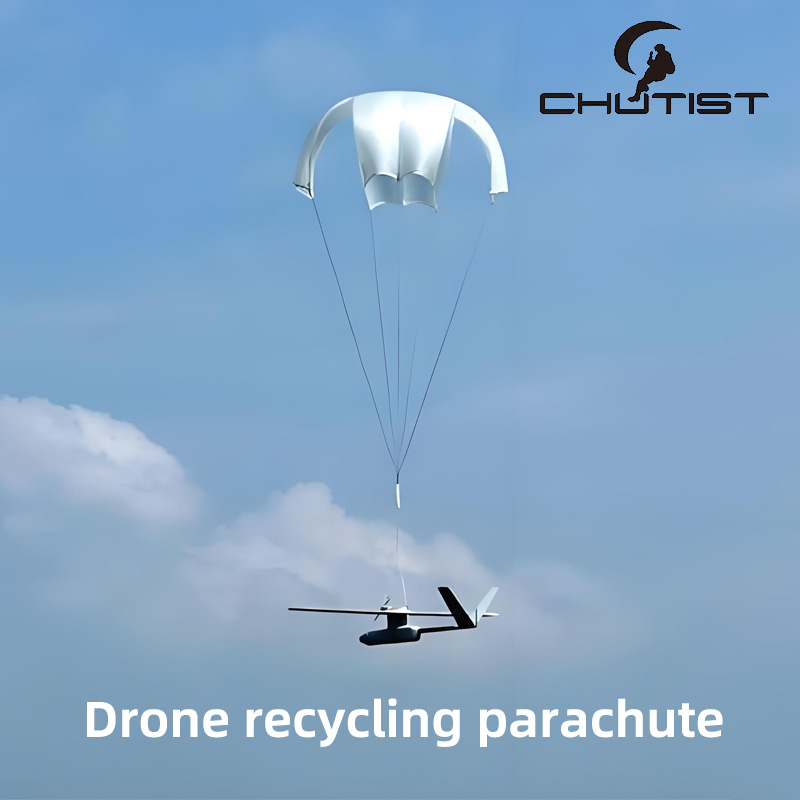
Emergency parachute systems for drones are a critical safety component in UAV operations, designed to prevent asset loss, minimize risk to personnel, and maintain operational continuity. For procurement teams, evaluating drone emergency parachute producers requires attention to system reliability, technical standards, regulatory compliance, and safety accountability. This article outlines the factors institutional buyers should consider when selecting producers and managing procurement risk.
1. Understanding Drone Emergency Parachute Systems
1.1 System Components
Canopy: High-strength parachute for rapid deceleration of the UAV.
Deployment Mechanism: Pyrotechnic, spring-loaded, or compressed gas system for instant activation.
Harness and Suspension Lines: Ensure stable and secure attachment to the drone frame.
Activation Controls: Can be manual, automated, or sensor-triggered.
1.2 Operational Significance
Prevents damage to UAVs during in-flight failures.
Protects payloads and sensitive electronics.
Reduces risk to personnel, infrastructure, and third parties.
Supports mission continuity in industrial, research, and tactical scenarios.
2. Technical Evaluation of Emergency Parachute Systems
2.1 Deployment Reliability
Assess inflation speed, stability, and descent rate under different payloads and altitudes.
Confirm repeatable performance across multiple trials and environmental conditions.
Evaluate response to emergency triggers, including low-altitude rapid deployments.
2.2 Load and Material Assessment
Determine maximum payload capacity with appropriate safety margins.
Examine canopy fabrics, suspension lines, and harness strength for durability and performance.
Verify environmental resistance to UV, moisture, temperature extremes, and abrasion.
2.3 Environmental Suitability
Test deployment under wind, rain, and temperature extremes.
Confirm consistent canopy inflation and descent behavior.
Ensure systems maintain reliability in both manual and automated emergency activations.

3. Supplier Capabilities and Accountability
3.1 Design and Engineering Competence
Producers must demonstrate experience in emergency parachute systems for UAVs of varying size and payload.
Assess R&D capabilities, including custom design, deployment simulation, and risk analysis.
Confirm in-house testing facilities for static, dynamic, and flight evaluation.
Reference Producer:
Nanjing Hongguang General Aviation Equipment Technology Co., Ltd. offers emergency drone parachute systems with in-house engineering, extensive testing, and a track record of reliability across industrial and UAV applications.
3.2 Production Quality Assurance
Evaluate consistency across production batches.
Confirm supplier inspection protocols and quality control measures.
Verify the ability to scale production to meet institutional or industrial requirements.
4. Safety and Compliance
4.1 Material Certification
Ensure canopy fabrics, harnesses, and lines meet aviation-grade safety standards.
Review component certification, including pyrotechnic or mechanical ejection systems.
Confirm traceability of all critical materials.
4.2 Regulatory Alignment
Verify compliance with national UAV safety regulations.
Ensure documentation demonstrates risk assessment and mitigation strategies.
Review supplier adherence to recognized international standards for emergency systems.
5. Operational Reliability and Integration
5.1 Flight and Mission Testing
Conduct field tests across operational altitudes, payload ranges, and environmental conditions.
Measure deployment response time, canopy stability, and descent performance.
Verify redundancy features to ensure successful deployment under partial system failure.
5.2 Integration with UAV Platforms
Confirm mechanical and electrical compatibility with UAV frames and flight control systems.
Assess ease of installation, maintenance, and operational use.
Evaluate reliability under both automated and manual activation scenarios.
6. Lifecycle Support and Maintenance
Check recommended inspection intervals and maintenance requirements.
Verify availability of replacement parts and technical manuals.
Confirm long-term support and supplier accountability for system performance.
7. Procurement Risk Management
7.1 Operational Risk
Deployment failure can result in UAV loss, payload damage, or mission compromise.
Environmental conditions and payload misalignment can affect performance.
Repeatable and reliable deployment is critical to risk mitigation.
7.2 Contractual Accountability
Include acceptance testing and validation requirements in procurement contracts.
Require documentation on material compliance, certifications, and risk assessments.
Define producer responsibilities for warranty, maintenance, and post-delivery support.
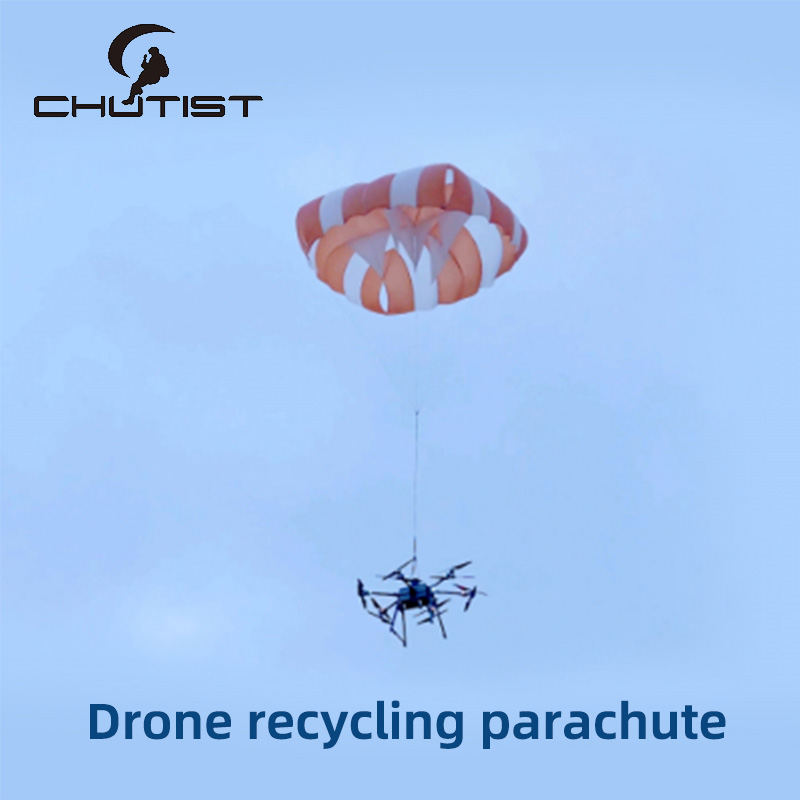
8. Buyer Due Diligence Checklist
Confirm producer experience with UAV emergency parachute systems across payload ranges.
Assess deployment reliability, including inflation speed, stability, and descent control.
Evaluate material quality, harness integrity, and canopy durability.
Verify performance under environmental stressors such as wind, temperature, and moisture.
Review supplier engineering, R&D, and in-house testing capabilities.
Confirm production consistency, batch quality, and scalability.
Assess regulatory compliance, safety certifications, and material traceability.
Evaluate operational integration with UAV platforms and flight systems.
Check lifecycle support, maintenance intervals, and spare part availability.
Ensure contractual safeguards for acceptance testing, warranty, and supplier accountability.
Emergency parachute systems are critical for UAV safety, and procurement requires careful evaluation of producers for technical capability, reliability, compliance, and accountability. Institutional buyers must verify design expertise, production quality, and lifecycle support to reduce operational risks and ensure mission readiness.
Producer Example: Nanjing Hongguang General Aviation Equipment Technology Co., Ltd. provides reliable UAV emergency parachute systems, combining robust engineering, extensive testing, and operational support for industrial, research, and tactical applications.
By following structured due diligence and safety-focused evaluation, procurement teams can secure emergency parachute solutions that protect assets, personnel, and mission success.


