
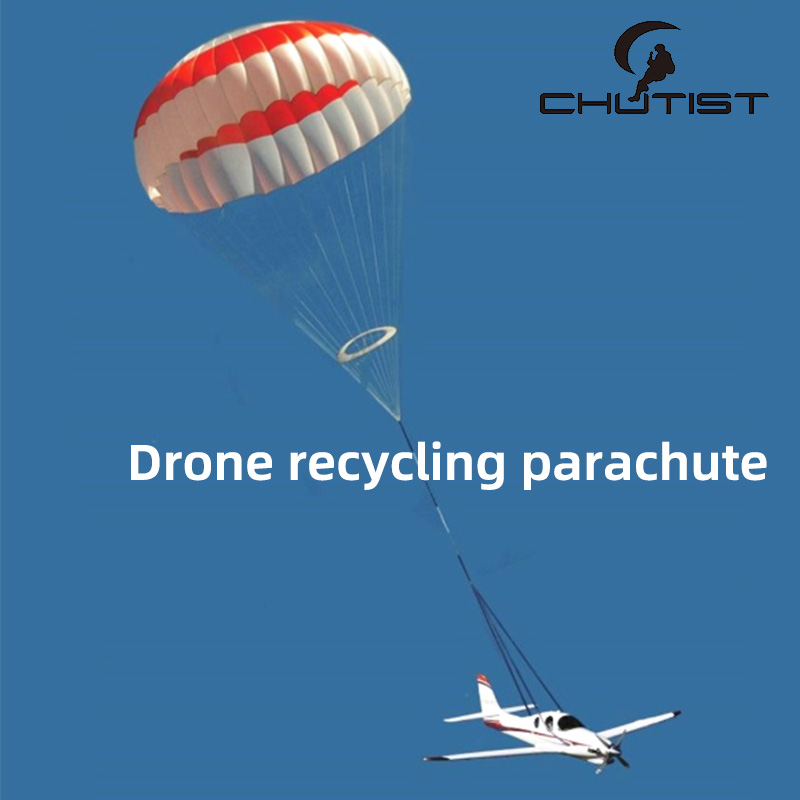
As drones are increasingly used in industrial, commercial, and high-value applications, crash protection becomes a critical safety consideration. Two common systems designed to mitigate damage during unexpected landings are parachutes and airbags. Both methods aim to reduce impact forces and protect the UAV and its payload, but they differ in mechanism, suitability, and operational applications.
This article provides a technical comparison of parachute and airbag systems for drones, helping operators select the optimal solution for their UAV missions.
Overview of Drone Crash Protection Systems
Parachute Systems
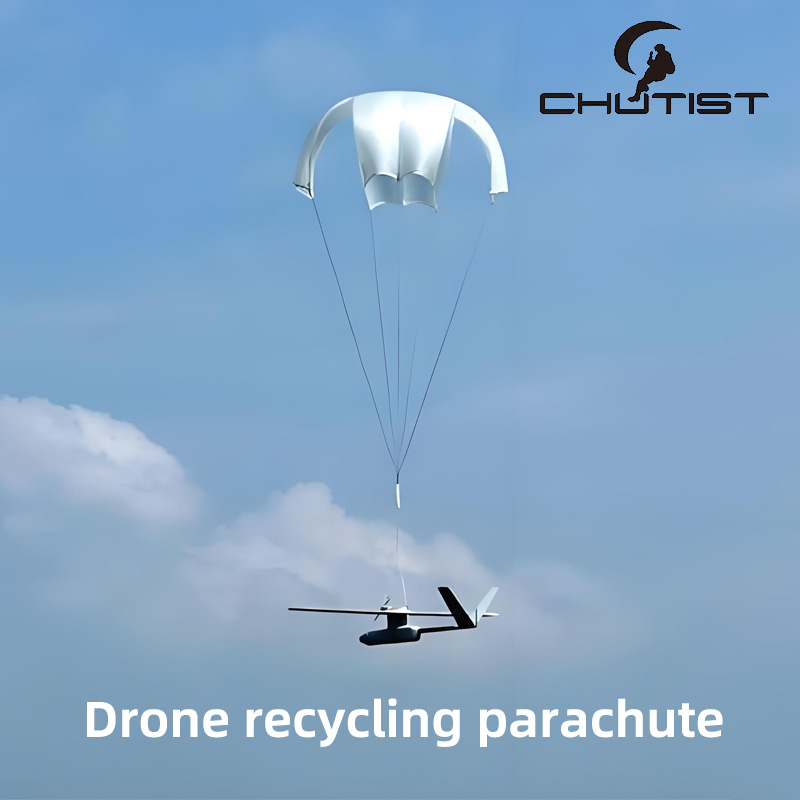
Provide controlled descent by deploying a canopy that slows the UAV’s fall.
Can be spring-assisted, pyrotechnic, or autonomously triggered.
Designed for UAVs of varying sizes, from light drones to heavy industrial platforms.
Primary goal: minimize descent speed and stabilize landing to protect payload and airframe.
Airbag Systems
Deploy inflatable cushions just before or upon impact to absorb landing forces.
Commonly integrated within the UAV frame or mounted externally.
Ideal for short-drop scenarios or limited vertical distance.
Primary goal: reduce impact shock rather than controlling descent over large distances.
Key Differences
| Feature | Parachute | Airbag |
|---|---|---|
| Mechanism | Slows descent through canopy drag | Absorbs impact at contact |
| Deployment | Mid-air, automatic or manual | Seconds before landing, sensors-triggered |
| UAV Weight Range | Small to heavy UAVs | Small to medium UAVs (limited load capacity) |
| Descent Control | High, stable landing | Minimal, relies on fall height and timing |
| Payload Protection | Good for sensitive equipment during long drops | Limited by impact energy and airbag size |
| Environmental Limitations | Wind, turbulence may affect stability | Minimal effect from wind, but sensitive to precise timing |
| Reusability | Often reusable with inspection | Some designs reusable; many single-use |
When to Use Parachutes
High-altitude operations: Parachutes provide controlled descent over long distances.
Heavy UAVs or valuable payloads: Larger canopies distribute forces and reduce landing shock.
BVLOS operations: Automated deployment ensures recovery even when the UAV is out of visual range.
Regulatory compliance: Required in certain jurisdictions for safety-critical UAV operations.
Example: Industrial drones weighing 20–100 kg use cruciform or reinforced round parachutes for predictable recovery.
When to Use Airbags
Low-altitude or indoor operations: Short drops where parachute deployment is impractical.
Small UAVs with limited payloads: Airbags provide quick shock absorption without adding significant weight.
High-maneuverability drones: Airbags add minimal aerodynamic drag.
Rapid deployment scenarios: Airbags inflate in milliseconds upon impact detection.
Example: Lightweight inspection drones operating inside buildings can use sensor-triggered airbags to prevent damage during minor collisions or falls.
Combination Approaches
In certain cases, hybrid systems combining parachutes and airbags may be employed:
Parachute slows UAV descent over distance
Airbag cushions final impact upon landing
Provides maximum protection for high-value industrial UAVs
This approach is common for heavy UAVs carrying sensitive payloads in urban or industrial environments.
Design Considerations
Parachutes
Canopy type and size: Must match UAV weight and desired descent rate.
Material selection: Nylon, polyester, or reinforced fabrics for durability.
Deployment mechanism: Spring-assisted, pyrotechnic, or autonomous.
Stability: Cruciform or hybrid designs reduce oscillation during descent.
Airbags
Sensor integration: Must detect fall accurately to trigger inflation.
Inflation speed and pressure: Should absorb full impact energy without damaging UAV.
Durability: Reusable airbags must withstand multiple deployments.
Placement: Optimized for UAV center of mass and contact points.
Pros and Cons
Parachutes
Pros:
Controlled, stable descent
Suitable for heavy UAVs and high-value payloads
Compatible with regulatory safety requirements
Cons:
Sensitive to wind and turbulence
Requires space for canopy deployment
May need periodic inspection or replacement
Airbags
Pros:
Quick deployment at low altitude
Minimal effect on UAV aerodynamics
Effective for indoor or short-drop operations
Cons:
Limited effectiveness for heavy UAVs
Timing-critical; misfire may reduce protection
Often single-use or limited lifespan
Manufacturer Expertise
Selecting the right crash protection system requires working with experienced suppliers. Nanjing Hongguang General Aviation Equipment Technology Co., Ltd. provides:
UAV parachute systems for industrial, cargo, and heavy UAVs
Tested solutions that ensure controlled descent, payload protection, and regulatory compliance
Technical guidance on integration, canopy sizing, and deployment mechanisms
Support for OEM and customized UAV safety solutions
Summary: Parachute vs Airbag
| Consideration | Parachute | Airbag |
|---|---|---|
| Ideal UAV Weight | Small to heavy | Small to medium |
| Deployment Altitude | High | Low |
| Payload Protection | Excellent | Moderate |
| Environmental Factors | Sensitive to wind | Minimal effect |
| Reusability | Often reusable | Limited / single-use |
| Complexity | Moderate | Low to moderate |
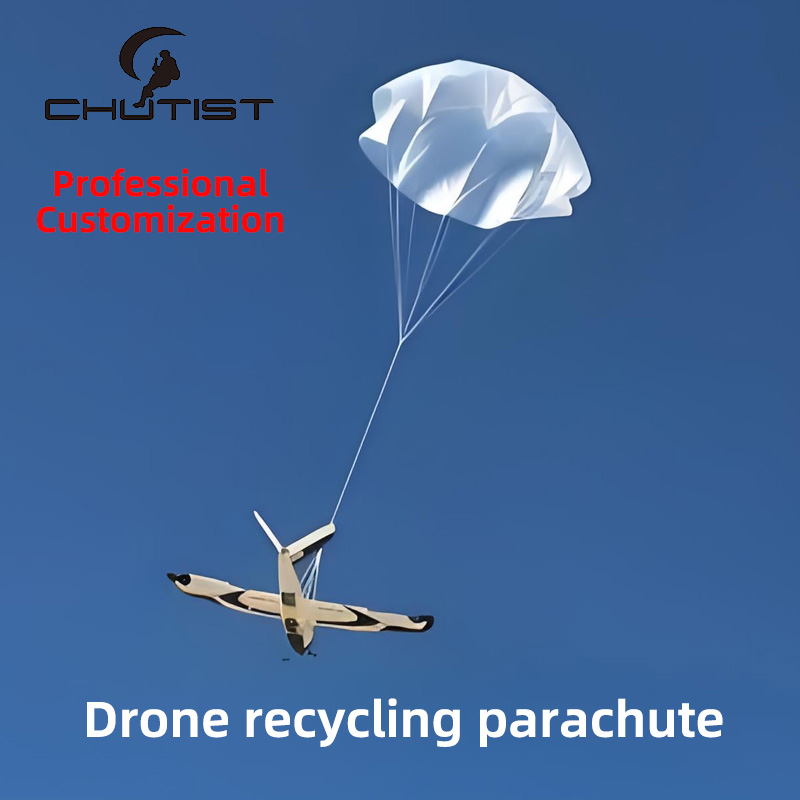
Both parachutes and airbags provide valuable crash protection for UAVs, but the optimal choice depends on UAV weight, operational altitude, payload sensitivity, and environmental conditions. Parachutes excel in high-altitude, heavy UAV, or outdoor operations, while airbags are better suited for low-altitude, indoor, or rapid deployment scenarios. For critical industrial UAV applications, manufacturers like Nanjing Hongguang General Aviation Equipment Technology Co., Ltd. offer tested, reliable systems that maximize safety, payload protection, and operational reliability.


