
Custom Parachute Solutions: Tailored for Your Application

In 2025, the need for customized parachute solutions is growing across aviation, industrial, UAV, and recreational sectors. Standard parachutes may not meet specific operational requirements, payload sizes, or deployment conditions. Custom parachute systems provide tailored performance, improved safety, and optimal reliability for unique applications.
This guide explains how to approach custom parachute selection, the factors to consider, and the benefits of partnering with experienced manufacturers.
Why Custom Parachutes Matter
While off-the-shelf parachutes are sufficient for general applications, certain scenarios require bespoke solutions:
Specialized UAV missions: Payloads vary in size, weight, and fragility
Industrial applications: Cargo airdrops or emergency equipment recovery
Human-rated operations: Unique deployment mechanisms or canopy sizes for training or sport
Military or tactical operations: Custom canopy shapes, reinforced lines, or advanced deployment systems
Custom parachutes ensure that the system matches operational requirements and minimizes the risk of failure.
Key Factors in Designing a Custom Parachute
1. Payload Specifications
The first consideration in designing a custom parachute is the payload:
Weight: Determines canopy size, material strength, and suspension line requirements
Fragility: Delicate equipment may need additional shock absorption or cushioning
Center of Gravity: Critical for stable descent and preventing oscillation
Tailoring the parachute to payload characteristics ensures consistent performance.
2. Canopy Type and Shape
The canopy affects descent rate, maneuverability, and stability:
Round parachutes: Stable, vertical descent ideal for cargo or training
Square (ram-air) parachutes: Forward glide and precise landing for UAVs or sport applications
Cross or semi-flow parachutes: Balance stability and maneuverability for specialized operations
A custom solution selects the optimal canopy type and configuration for each mission.
3. Material and Fabric Selection
High-performance parachutes require durable, lightweight materials:
Nylon or polyester fabrics: Low-permeability and high tensile strength
UV and environmental resistance: Essential for long-term use outdoors
Reinforced stress points: Reduce wear and prevent tearing during descent
Material choice directly impacts safety, durability, and operational efficiency.

4. Suspension Lines and Hardware
Custom parachutes often use specialized suspension systems:
Load-rated lines and reinforced harnesses
Evenly distributed tension for controlled glide
High-quality hardware for secure attachment to payloads or UAVs
Precision engineering ensures consistent and safe deployment.
5. Deployment Mechanisms
Deployment must be tailored to the use case:
Manual activation: For training or recreational operations
Automatic activation devices (AAD): Triggered by altitude or speed, commonly used in UAVs
Pyrotechnic or spring-assisted systems: For industrial or tactical missions
Selecting the right mechanism improves reliability and reduces the chance of deployment failure.
Certification and Testing for Custom Parachutes
Even with custom designs, certification remains crucial:
Civil Aviation Authorities: FAA, EASA, or CAAC approval for human-rated systems
ISO standards: Quality management, material testing, and performance verification
Military or industrial standards: MIL-STD for tactical or UAV applications
Custom parachute manufacturers perform extensive drop tests, load tests, and environmental testing to ensure compliance and safety.
Benefits of Custom Parachute Solutions
Enhanced Safety: Tailored systems match payload and operational conditions
Optimized Performance: Reduced descent rate, controlled glide, and minimized impact forces
Operational Efficiency: Reliable deployment reduces mission downtime
Compliance: Fully certified to applicable aviation, industrial, or military standards
Global Application: Suitable for aviation sports, UAV missions, industrial operations, and tactical deployments
Choosing a Manufacturer for Custom Solutions
When selecting a supplier for custom parachutes, buyers should consider:
Experience: Proven expertise in designing and producing bespoke parachutes
Technical Support: Guidance on design, installation, and maintenance
Global Certification Capability: Compliance with civil, industrial, and military regulations
Customization Options: Ability to modify canopy, suspension, materials, and deployment systems for unique needs
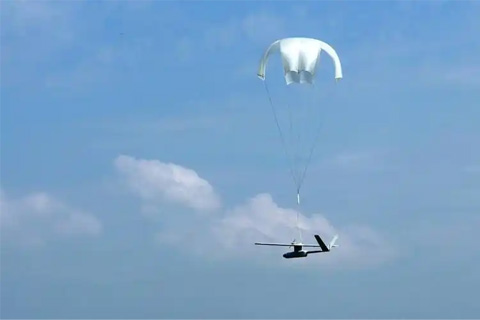
Nanjing Hongguang General Aviation Equipment Technology Co., Ltd. exemplifies a trusted manufacturer offering tailored parachute solutions, combining technical expertise, rigorous certification, and global service for UAV, aviation, industrial, and sport applications.
Best Practices for Buyers
Define Your Requirements: Include payload weight, descent rate, environmental conditions, and deployment method
Review Materials and Design: Confirm that canopy, lines, and hardware are optimized for your application
Verify Testing Protocols: Ensure drop tests, load tests, and environmental simulations are conducted
Check Manufacturer Credentials: Look for experience, certification, and client references
Plan for Maintenance: Custom systems require regular inspection and repacking to maintain performance
Following these practices ensures a reliable, safe, and effective custom parachute solution.
Custom parachute solutions provide unmatched safety, performance, and operational reliability when standard models are insufficient. By considering payload, canopy design, materials, suspension systems, and deployment mechanisms, buyers can achieve optimal results for aviation, UAV, industrial, or sport applications.
Partnering with an experienced manufacturer ensures that your custom parachute is rigorously tested, certified, and supported throughout its operational life. Nanjing Hongguang General Aviation Equipment Technology Co., Ltd. is a leading provider of tailored parachute solutions, offering high-quality, certified systems for diverse applications around the world.


