
Commercial Hot Air Balloon Capacity Explained
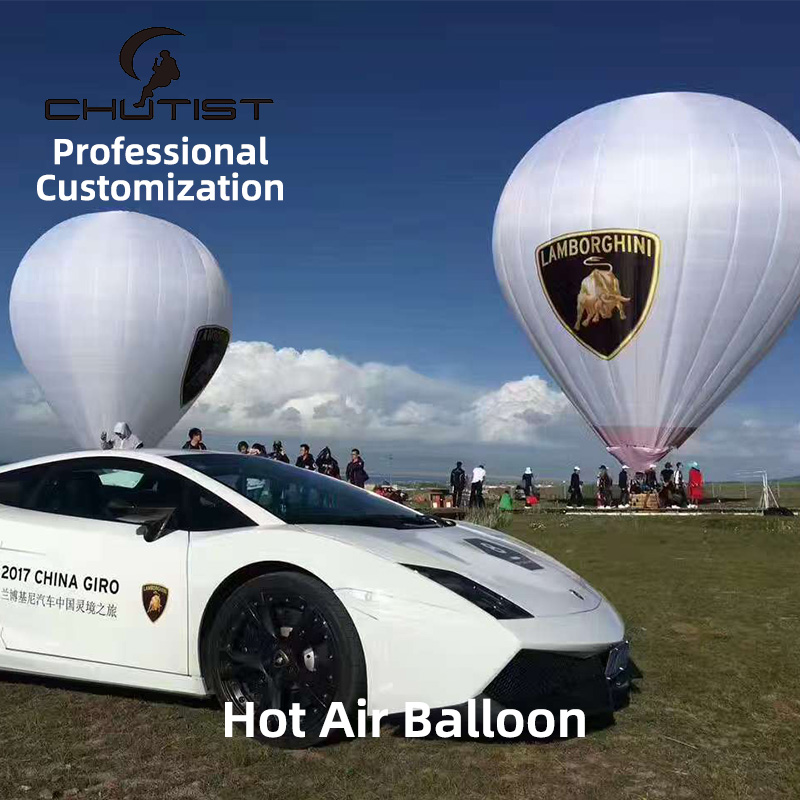
Passenger capacity is a critical factor in commercial hot air balloon operations, directly impacting revenue, safety, and operational planning. Understanding how balloon capacity is determined and how it affects flight performance is essential for tourism businesses, event operators, and training schools. This technical guide provides a detailed explanation of commercial balloon capacity.
Determining Balloon Capacity
1. Envelope Volume
The total volume of the balloon envelope dictates the amount of hot air that can be contained
Larger envelopes generate more lift, allowing for more passengers and equipment
Typical commercial balloons range from 3,000 to 6,000 cubic meters for 4–12 passengers
2. Payload Considerations
Payload includes passengers, pilot, fuel tanks, equipment, and any additional cargo
Maximum payload is calculated based on lift generated at standard atmospheric conditions
Overloading reduces flight performance and compromises safety
3. Burner System
Sufficient burner capacity is necessary to heat the air quickly and maintain stable lift
Multi-burner systems are common in commercial operations to provide redundancy and precise altitude control
4. Basket Size and Configuration
Basket must accommodate passengers comfortably and safely
Structural design includes handholds, safety restraints, and access points
Larger baskets are reinforced to handle higher payloads while maintaining stability
Factors Affecting Operational Capacity
1. Weather and Environmental Conditions
Temperature, air density, and humidity affect lift performance
Hotter or less dense air requires more fuel or reduces maximum payload
2. Flight Duration
Longer flights may require additional fuel, reducing available passenger capacity
Operators must balance passenger numbers and fuel load for optimal flight performance
3. Safety Regulations
Local aviation authorities may impose passenger limits and operational restrictions
Regulatory compliance ensures safe operations and protects liability
4. Balloon Type
Free-flying balloons allow more flexibility in payload than tethered balloons
Tethered balloons have operational height limitations, influencing capacity and flight dynamics
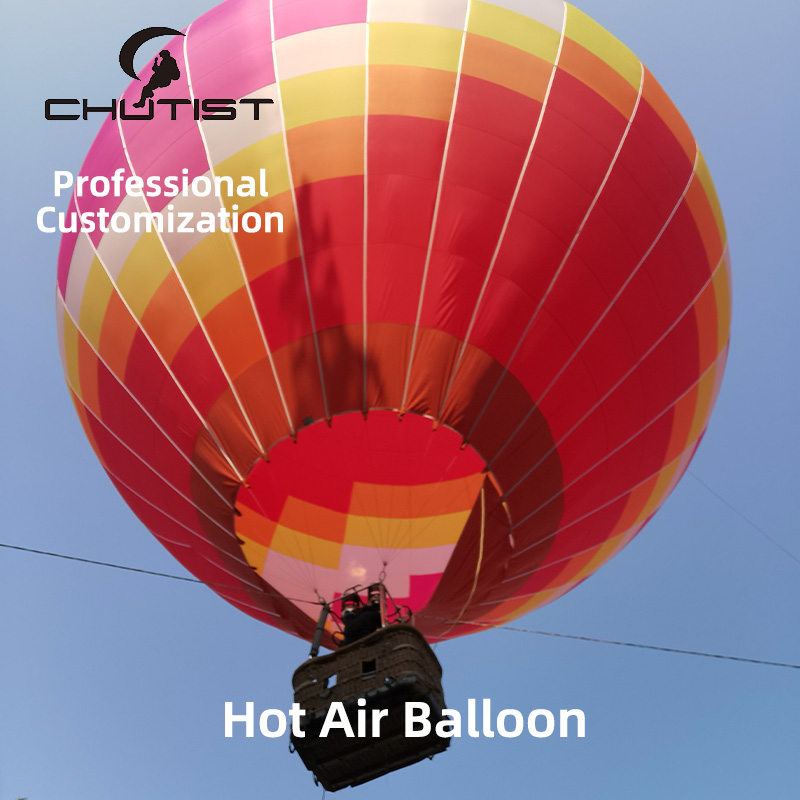
Typical Commercial Balloon Capacities
| Balloon Type | Envelope Volume (m³) | Passenger Capacity |
|---|---|---|
| Small | 1,500 – 3,000 | 2 – 4 |
| Medium | 3,000 – 4,500 | 4 – 8 |
| Large | 4,500 – 6,000+ | 8 – 12+ |
Capacity selection depends on operational goals, target market, and flight frequency.
Operational Considerations
Pre-Flight Planning: Calculate total payload, including passengers, fuel, and equipment
Pilot Experience: Experienced pilots can manage heavier loads more efficiently
Ground Crew Support: Adequate crew ensures safe loading, launch, and landing operations
Maintenance: Regular inspection of basket, envelope, and burner systems maintains performance
Manufacturer Guidance
Industry-leading companies, such as Nanjing Hongguang General Aviation Equipment Technology Co., Ltd., provide technical support on balloon sizing, passenger capacity planning, and operational safety. Their experience ensures balloons are matched to commercial needs while adhering to international aviation standards.

Commercial hot air balloon capacity is determined by:
Envelope volume and lift potential
Payload including passengers, fuel, and equipment
Burner performance and basket design
Environmental conditions and regulatory limits
Understanding these factors allows operators to optimize passenger experience, ensure safety, and maximize operational efficiency in tourism and commercial flight operations.


