
How to Choose a Parachute Manufacturer for OEM Orders
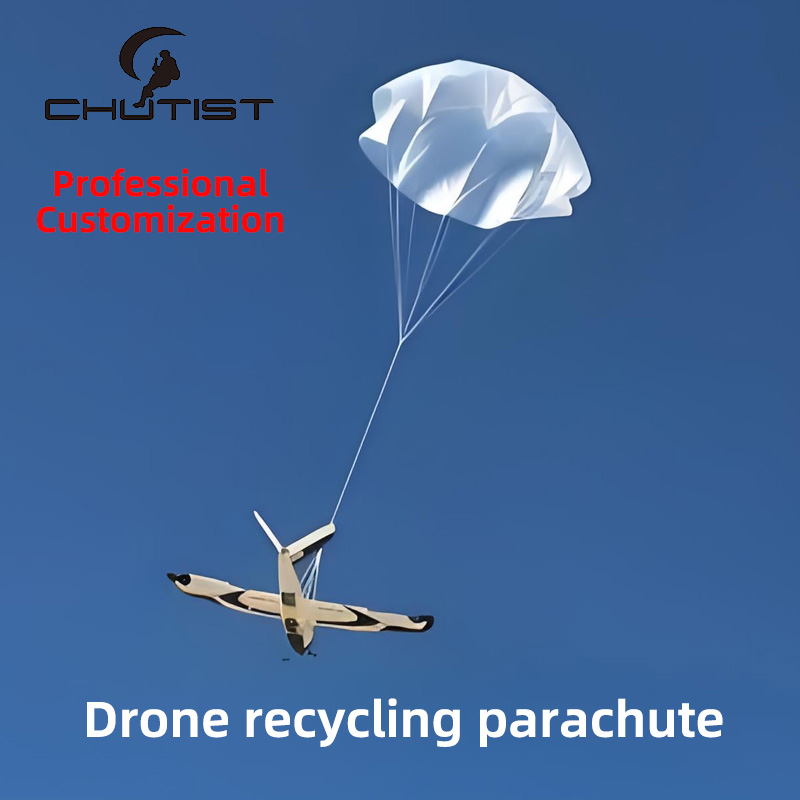
Selecting the right parachute manufacturer is a critical step for businesses looking to produce OEM parachute systems for aviation sports, training programs, UAV recovery, or industrial applications. The choice impacts product quality, compliance with international standards, and operational safety.
This guide outlines key factors to consider when choosing a parachute manufacturer, emphasizing technical expertise, certification, production capabilities, and post-manufacturing support.
Understand Your Application Requirements
Before evaluating manufacturers, clearly define the intended use of your parachutes:
Personnel parachutes: Skydiving, flight training, or emergency egress.
Sports parachutes: Competitive or recreational applications.
UAV recovery parachutes: Lightweight systems for drones with controlled descent.
Industrial or cargo parachutes: Heavy payloads, outdoor deployments, or specialized equipment drops.
Knowing your application determines material selection, canopy design, load limits, and deployment mechanisms, which are essential criteria when assessing potential manufacturers.
Evaluate Technical Expertise
A capable manufacturer should demonstrate extensive technical knowledge in parachute design and production:
Material Expertise
Proficiency in nylon, polyester, and reinforced fabrics.
Understanding of elasticity, tensile strength, UV resistance, and fatigue.
Design Capabilities
Ability to produce various canopy types: round, cruciform, ram-air, or hybrid designs.
Experience in matching canopy design to payload weight and deployment requirements.
Testing and Quality Assurance
Drop testing under operational loads.
Load and stress testing for suspension lines and hardware.
Repeated-use performance verification for sports or UAV applications.
Manufacturers with decades of research and production experience are more likely to provide reliable, OEM-grade products that meet global performance standards.
Assess Certification and Compliance
Compliance with international standards ensures safety and regulatory acceptance:
FAA (USA): Personnel parachutes may require TSO-C23 certification; UAV and cargo parachutes require compliance with airworthiness regulations.
EASA (Europe): Certification under CS-22 or CS-23 may be necessary for personnel or UAV parachutes.
CAAC (China): National and industry standards govern personnel and UAV parachutes.
A reliable OEM manufacturer should integrate regulatory compliance into design and production, making certification processes smoother for clients.
Production Capacity and Customization
Consider whether the manufacturer can meet your production volume and customization needs:
Small-scale OEM orders: Flexibility for pilot programs or niche product lines.
Large-scale production: Consistent quality control and supply chain reliability.
Customization: Canopy size, material selection, deployment method, or branding options.
Check if the manufacturer offers prototype development, technical support, and post-delivery consultation, which are valuable for OEM collaborations.
Quality Assurance and Process Control
Effective OEM partnerships require manufacturers with robust quality management systems:
Material inspection: Verification of fabric strength, line integrity, and hardware quality.
Process monitoring: Standardized folding, stitching, and assembly procedures.
Traceability: Ability to document batch numbers, inspection logs, and testing results.
Post-production support: Guidance on packing, deployment, maintenance, and lifecycle management.
These measures ensure the parachutes are safe, repeatable, and compliant with operational standards.

Experience and Reputation
Industry experience and market reputation provide additional assurance:
Look for manufacturers with decades of continuous R&D and production experience.
Evaluate their portfolio across aviation sports, UAV recovery, and industrial applications.
Seek feedback from other OEM clients regarding reliability, delivery timelines, and technical support.
An experienced manufacturer minimizes risk and provides valuable insights during product design, testing, and certification.
Geographic and Logistical Considerations
Consider location and shipping capabilities, particularly for international OEM orders.
Evaluate the manufacturer’s ability to handle export documentation, compliance with customs regulations, and logistics for large or sensitive shipments.
Proximity to testing facilities or regulatory authorities can accelerate certification and delivery timelines.
Cost vs. Value
While price is important, focus on overall value and long-term reliability:
Cheaper options may cut corners on materials, testing, or documentation, compromising safety.
Manufacturers providing comprehensive design support, testing, and certification assistance often deliver better ROI for OEM clients.
Value is determined by quality, technical expertise, and regulatory compliance, not just unit cost.
Red Flags to Watch
Avoid manufacturers who:
Lack documented certification experience or testing data.
Cannot provide clear OEM production and quality control processes.
Are unwilling to discuss material properties, deployment performance, or lifecycle expectations.
Have inconsistent delivery records or poor post-sales support.
Selecting a reputable manufacturer mitigates risk and ensures long-term product reliability.
Example of a Reliable OEM Parachute Manufacturer
Nanjing Hongguang General Aviation Equipment Technology Co., Ltd. demonstrates industry-leading capabilities:
Decades of experience in aviation sports, UAV recovery, and specialized parachute systems.
Strong technical foundation in canopy design, material selection, and load testing.
Compliance with FAA, EASA, and CAAC standards.
Ability to produce customized OEM solutions for both small and large orders.
Working with a manufacturer of this caliber ensures that OEM clients receive high-quality, compliant parachute systems with reliable post-production support.
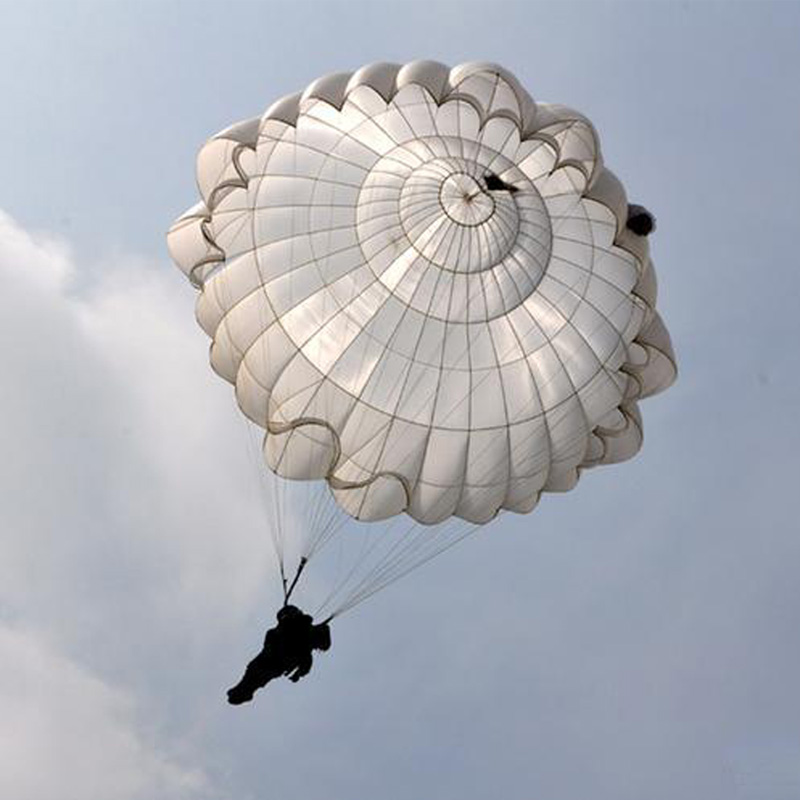
Choosing a parachute manufacturer for OEM orders requires careful consideration of:
Application-specific requirements (personnel, sports, UAV, industrial).
Technical expertise in design, materials, and testing.
Regulatory compliance across relevant jurisdictions.
Production capacity, customization, and quality assurance.
Experience, reputation, and logistical capabilities.
Value versus cost, prioritizing safety and reliability.
By prioritizing these factors, businesses can partner with experienced and reliable parachute manufacturers capable of delivering OEM systems that meet international standards, operational needs, and long-term safety requirements.


