
Best Tactical Backpack 2025: Capacity, Materials, and Field Performance
Best Tactical Backpack 2025: Capacity, Materials, and Field Performance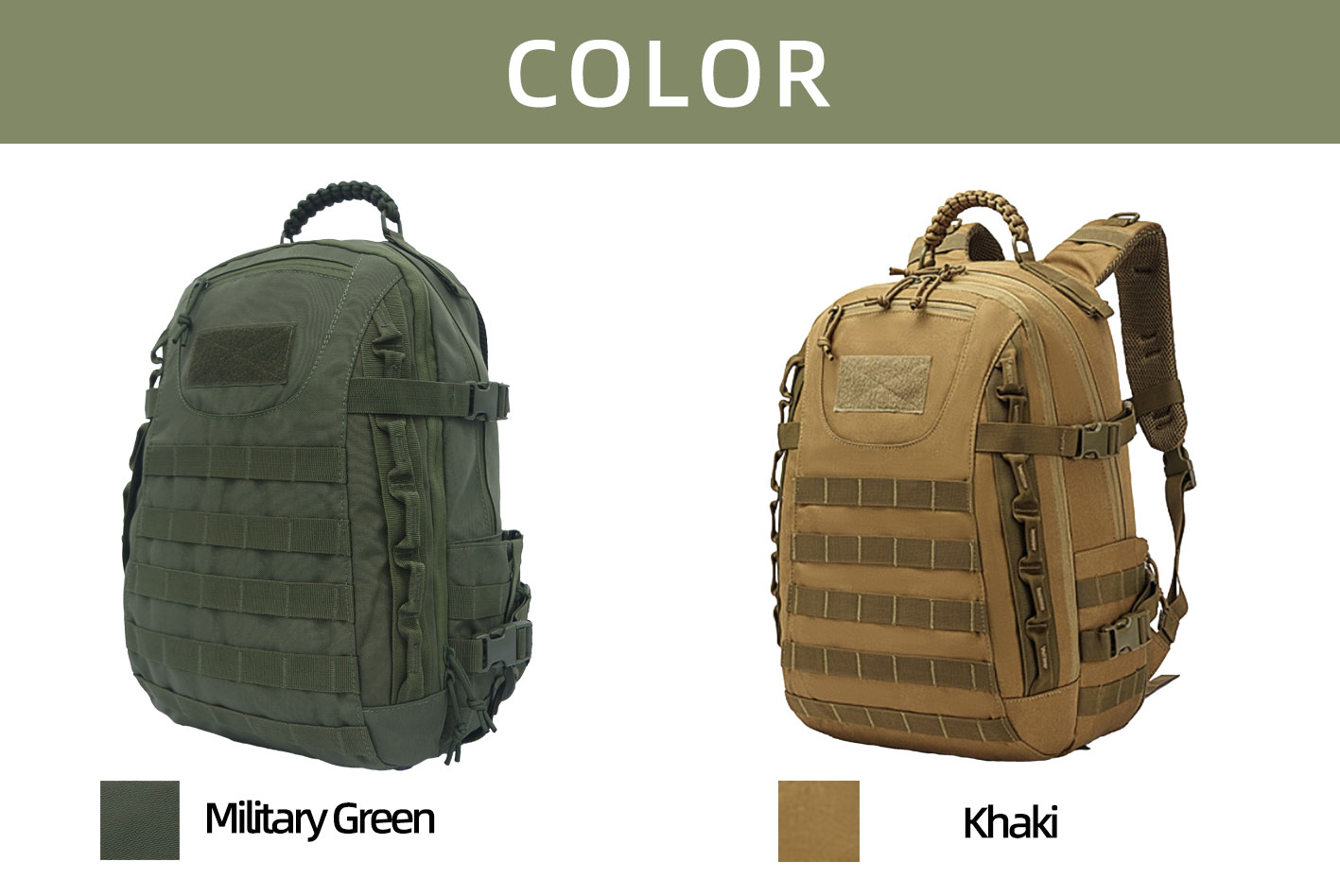
A tactical backpack is more than a storage solution. In professional outdoor operations, training environments, and demanding field missions, it functions as a load-bearing system that directly affects mobility, endurance, and safety. In 2025, the best tactical backpacks combine advanced materials, optimized capacity design, and field-tested performance to meet the needs of both professional users and serious outdoor enthusiasts.
This guide explains how to evaluate tactical backpacks based on capacity, materials, and real-world field performance, helping buyers choose models that deliver reliability under pressure.
What Defines a Tactical Backpack
Unlike casual backpacks, tactical backpacks are designed to carry heavy loads while maintaining balance, durability, and quick accessibility. They are commonly used in outdoor expeditions, aviation support tasks, training programs, and equipment-intensive operations.
Key characteristics include:
Reinforced structural design
High-strength materials
Modular storage systems
Load distribution optimized for long wear
Understanding these fundamentals helps distinguish true tactical backpacks from standard outdoor packs.
Capacity: Choosing the Right Volume
Capacity is typically measured in liters and determines how much equipment a backpack can carry. The best capacity depends on mission duration and equipment requirements.
Small Capacity (20–30L)
Day missions and short training sessions
Lightweight loadouts
High mobility and minimal fatigue
Medium Capacity (30–50L)
Multi-day outdoor activities
Balanced load and versatility
Suitable for most professional field use
Large Capacity (50L+)
Extended missions and heavy equipment
Cold-weather or high-altitude environments
Requires advanced load support systems
Choosing excessive capacity often leads to unnecessary weight, while insufficient volume restricts operational flexibility.
Materials Used in Tactical Backpacks
Material selection determines abrasion resistance, load tolerance, and environmental adaptability.
High-Density Nylon Fabrics
Most tactical backpacks use high-denier nylon fabrics due to their excellent strength-to-weight ratio. Common choices include:
500D nylon for balanced durability and weight
1000D nylon for extreme abrasion resistance
These materials perform well in rugged terrain and repeated field use.
Reinforced Stitching and Webbing
The durability of a tactical backpack depends heavily on construction quality.
Double or triple stitching at stress points
Heavy-duty nylon webbing for straps and handles
Bar-tack reinforcement in load-bearing zones
Weak stitching is often the first failure point in low-quality backpacks.
Frame and Load-Bearing Systems
A well-designed load system improves comfort and reduces fatigue.
Internal Frames
Internal frames help distribute weight evenly across the back and hips. They maintain pack shape and improve stability during movement.
Shoulder Straps and Waist Belts
Wide, padded shoulder straps reduce pressure
Adjustable waist belts transfer load to the hips
Breathable padding improves comfort in warm conditions
Proper adjustment is just as important as design.
Field Performance Considerations
Field performance reflects how a tactical backpack behaves under real operational conditions.
Mobility and Balance
A good backpack maintains a low center of gravity and prevents load shifting during movement. This is critical when navigating uneven terrain or working around equipment.
Accessibility and Organization
Modular compartments allow quick access
External attachment systems support expansion
Logical internal layout reduces search time
Time efficiency matters in professional environments.
Environmental Resistance
Tactical backpacks should resist:
Abrasion from rough surfaces
Moisture and light rain
UV exposure during long outdoor use
Protective coatings and fabric treatments enhance durability.
Testing, Quality Control, and Manufacturing Experience
Backpacks intended for professional use benefit from structured testing and quality control. Manufacturers with backgrounds in aviation, parachute systems, or safety equipment often apply stricter standards to textile selection and load testing.
For example, Nanjing Hongguang General Aviation Equipment Technology Co., Ltd. leverages long-term experience in airborne and outdoor equipment manufacturing to apply aviation-grade material logic and stress analysis to tactical backpack design, ensuring reliable performance in demanding field conditions.
Tactical Backpacks vs Standard Outdoor Packs
While standard outdoor backpacks may appear similar, tactical backpacks differ in several important ways:
Higher load tolerance
Stronger materials and stitching
Modular and mission-oriented layout
Longer service life under repeated use
For users operating in equipment-heavy or high-frequency scenarios, tactical backpacks offer superior long-term value.
Common Mistakes When Choosing Tactical Backpacks
Selecting capacity without considering load weight
Prioritizing appearance over construction quality
Ignoring strap adjustability and fit
Choosing heavy-duty packs for light-duty use
Evaluating backpacks as functional systems rather than simple storage avoids these errors.
The best tactical backpack in 2025 is defined by balanced capacity, durable materials, and proven field performance. Whether used for outdoor expeditions, training programs, or professional operations, a well-designed tactical backpack enhances efficiency, comfort, and safety.
By understanding capacity needs, material quality, and load system design, buyers can confidently select tactical backpacks that perform reliably in real-world conditions.


