
Best Parachute for Sale Online: Buyer’s Guide (2026)

Buying a parachute online in 2026 is easier than ever, but choosing the right parachute has become more complex. With increasing applications across skydiving, aviation training, UAV recovery, rescue operations, and industrial use, parachutes are no longer one-size-fits-all products.
This guide helps buyers understand how to evaluate parachutes sold online, what specifications truly matter, and how to avoid common mistakes when selecting a professional parachute system.
Why Buying a Parachute Online Requires Extra Caution
Parachutes are safety-critical aviation products. Unlike general outdoor gear, their performance directly affects human life or high-value equipment.
When purchasing online, buyers must consider:
Certification and compliance
Application-specific design
Load and speed limits
Deployment reliability
Long-term maintenance support
Price alone should never be the primary decision factor.
Main Types of Parachutes Available Online
Understanding parachute categories is the first step toward a correct purchase.
1. Round Parachutes
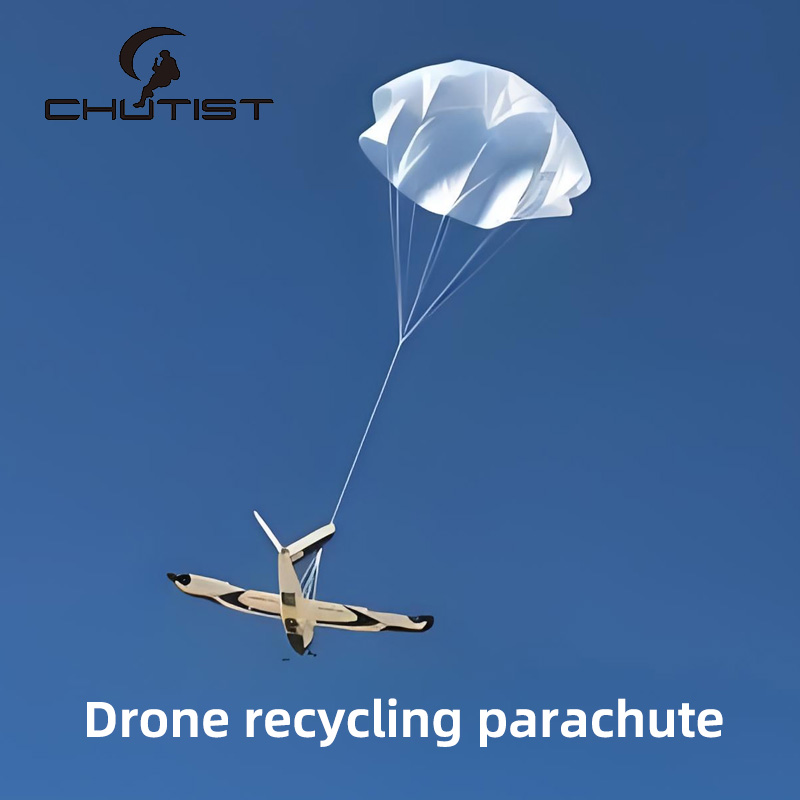
Round parachutes remain widely used for:
Training
Emergency descent
Cargo and equipment recovery
UAV and missile deceleration systems
Advantages
Simple structure
High reliability
Stable vertical descent
Limitations
Limited maneuverability
Higher descent rate compared to ram-air canopies
2. Square / Ram-Air Parachutes
Common in sport and professional skydiving.
Key features
Forward glide capability
Improved landing accuracy
Better control during descent
Best for
Sports skydiving
Advanced training
Precision landing operations
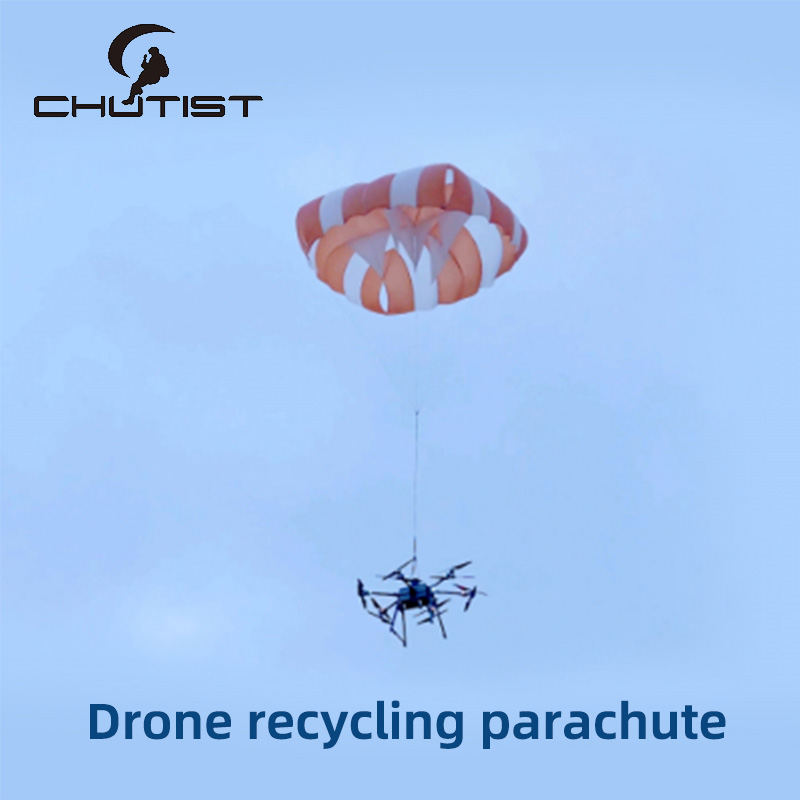
3. Cross Parachutes
Cross-shaped canopies offer enhanced stability.
Typical uses
UAV recovery
Precision payload delivery
Specialized aviation missions
They provide better oscillation control than basic round canopies.
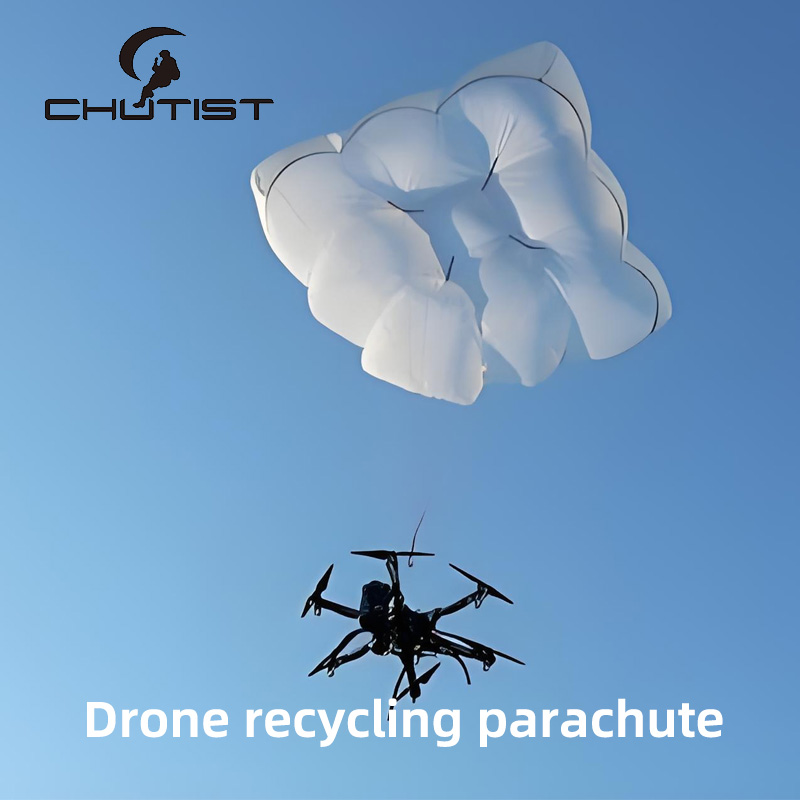
4. Semi-Flow Parachutes
Designed to balance stability and controlled airflow.
Applications
High-speed UAV recovery
Mid-weight aerial platforms
Industrial test missions
Semi-flow designs reduce opening shock while maintaining descent control.
Key Specifications Buyers Must Evaluate
Load Capacity
Always verify:
Maximum payload weight
Safety margin above operating weight
Professional systems often cover wide ranges, from micro UAVs to payloads exceeding 1000 kg.
Deployment Speed Range
Important for aviation and drone applications.
Check:
Minimum and maximum deployment speed
Compatibility with supersonic or subsonic profiles
Opening shock control mechanisms
Deployment Altitude
Different missions require different opening envelopes:
Low-altitude emergency deployment
High-altitude controlled descent
Canopy Material
High-quality parachutes use:
Low-permeability nylon fabrics
Reinforced ripstop weaving
UV- and moisture-resistant coatings
Material choice directly impacts durability and lifespan.
Suspension Lines
Key factors include:
Line material strength
Stretch resistance
Heat and abrasion tolerance
Inferior lines are a common failure point in low-cost products.
Certification and Compliance: Non-Negotiable Factors
A professional parachute sold online should meet recognized standards.
Common certifications include:
Aviation authority approvals
Military or civil aviation testing protocols
Verified drop-test results
Always request:
Test documentation
Certification scope
Applicable operational limits
Parachute Systems vs Single Canopies
Many buyers focus only on the canopy, but professional use requires a complete system.
A full system may include:
Parachute canopy
Deployment device
Harness or mounting interface
Container or housing
Optional airbags or dampening modules
System-level design ensures predictable performance.
Choosing the Right Seller Online
Not all online parachute listings are equal.
Reliable suppliers typically offer:
Detailed technical specifications
Clear application descriptions
Engineering background, not just retail branding
Long-term support and spare parts availability
Manufacturers with decades of aviation equipment experience, such as Nanjing Hongguang General Aviation Equipment Technology Co., Ltd., focus on full lifecycle reliability, covering design, testing, certification, and operational support rather than selling standalone products.
Price Ranges: What to Expect in 2026
Prices vary widely depending on application.
Typical ranges:
Training and basic round parachutes: lower cost
Sport and ram-air systems: mid-range
UAV recovery and industrial systems: higher investment
Custom or heavy-duty systems: premium pricing
A higher price often reflects:
Broader operating envelope
Stronger materials
Certified testing
Custom engineering support
Common Mistakes When Buying Parachutes Online
Avoid these frequent errors:
Choosing based on price only
Ignoring deployment speed limits
Mixing incompatible components
Skipping certification verification
Overlooking after-sales support
These mistakes often result in system failure or operational restrictions.
Custom Parachutes vs Off-the-Shelf Models
Off-the-Shelf
Faster delivery
Lower cost
Limited adaptability
Custom Systems
Tailored payload range
Optimized deployment profile
Better integration with aircraft or UAV platforms
Custom solutions are recommended for professional aviation, defense, and industrial use.
Maintenance and Long-Term Ownership
A parachute is not a one-time purchase.
Buyers should plan for:
Regular inspections
Scheduled replacement of wear components
Proper storage conditions
Manufacturer-recommended service intervals
Good maintenance extends service life and ensures consistent performance.
Final Buying Checklist
Before completing an online purchase, confirm:
Application match
Load and speed compatibility
Certified testing
Material quality
System integration
Technical support availability
If any of these points are unclear, the product is not ready for professional use.
The best parachute for sale online in 2026 is not defined by price or appearance, but by engineering reliability, certification, and application suitability.
By understanding parachute types, evaluating technical specifications, and choosing experienced suppliers, buyers can ensure safe, reliable, and long-term performance—whether for skydiving, UAV recovery, rescue missions, or industrial aviation operations.


