
Best Parachute Manufacturers for Aviation and Industrial Use

Parachutes are essential safety equipment in aviation, industrial applications, and UAV operations. In 2025, the demand for high-quality parachutes is growing globally due to expanding aviation sports, drone logistics, and industrial aerial operations. Selecting the right manufacturer is critical to ensure reliability, compliance, and long-term operational efficiency.
This guide explores what distinguishes the best parachute manufacturers, the factors influencing quality, and how to evaluate suppliers for both aviation and industrial use.
Why Choosing the Right Parachute Manufacturer Matters
Parachutes are precision-engineered devices designed to safely decelerate objects or people during descent. Poor design or manufacturing defects can result in catastrophic failures, making supplier selection a critical decision. Top manufacturers provide:
Certified and tested products
Consistent material quality
Proven engineering and structural reliability
Post-sale technical support
By focusing on these aspects, buyers can ensure their parachute systems meet both operational and safety requirements.
Key Characteristics of Leading Parachute Manufacturers
1. Engineering Expertise
The best manufacturers employ specialized engineers to design parachutes that meet various use cases. This includes:
Structural design optimized for load distribution
Aerodynamic modeling for stable descent
Customization options for specific operational needs
Manufacturers with strong engineering teams can deliver innovative solutions for industrial UAVs, skydiving, and tactical operations.
2. Advanced Material Selection
Material choice directly affects parachute performance, durability, and safety. Leading manufacturers use:
High-strength nylon or polyester fabrics
Low-permeability and UV-resistant coatings
Reinforced stitching and load-bearing webbing
Quality materials improve lifespan, minimize wear and tear, and provide consistent performance across repeated operations.
3. Certification and Compliance
Top parachute suppliers adhere to international standards and regulatory requirements:
Civil aviation authority approvals
Military and industrial specifications
ISO quality management compliance
Certified manufacturers demonstrate reliability, enabling customers to operate safely in global markets.
4. Production and Quality Control
High-quality manufacturers maintain strict quality control across production lines:
Multi-stage inspection of canopies, lines, and harnesses
Stress and load testing of critical components
Controlled manufacturing environments to prevent defects
Consistency in manufacturing reduces failure rates and improves long-term usability.
5. Product Range and Application Versatility
The best parachute manufacturers provide a diverse portfolio:
Skydiving and sport parachutes
Training and instructional parachutes
Cargo and industrial airdrop systems
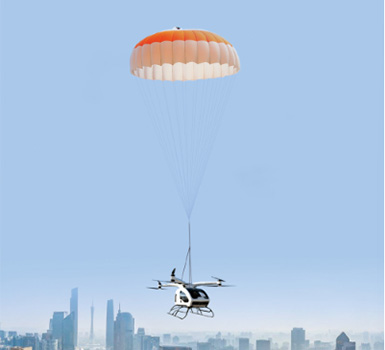
UAV and drone recovery parachutes
Specialized military and tactical parachutes
A wide product range indicates technical expertise and the ability to adapt to complex requirements.
Global Considerations for Aviation and Industrial Parachutes
Aviation Use
Aviation parachutes must meet high safety and reliability standards. Top manufacturers focus on:
Human-rated deployment systems
Redundant safety features
Reliable performance in extreme conditions
These systems are used in skydiving, emergency escape, and aviation sports schools worldwide.

Industrial Use
Industrial parachutes include drone recovery, cargo drops, and experimental applications:
Designed for different payloads (5–1,100 kg)
Fast-deployment mechanisms for UAV emergencies
Integration with automated sensor systems
Industrial parachute systems require both engineering precision and compliance with operational standards.
Customization as a Competitive Advantage
Manufacturers capable of customization offer:
Tailored canopy shapes for specific lift and drag
Custom color schemes and branding for promotional use
Adjustable suspension line configurations for different payloads
Customization ensures parachutes meet the exact demands of industrial or aviation operations, enhancing safety and effectiveness.
Safety Philosophy and Testing Standards
Leading manufacturers prioritize rigorous testing:
Drop tests at various altitudes and speeds
Load tests for maximum weight capacity
Deployment tests for automatic and manual activation systems
Certified testing ensures parachutes function correctly under extreme conditions, protecting users and equipment.
After-Sales Support and Lifecycle Services
Reliable manufacturers provide ongoing support:
Technical manuals and maintenance guidelines
Spare parts availability
Inspection, repacking, and repair services
Such support extends the operational life of parachutes and maintains compliance with safety regulations.
Cost vs Quality Considerations
While price is a consideration, it should not override quality:
High-quality parachutes reduce operational risks
Certified systems minimize regulatory issues
Durable materials lower maintenance and replacement costs
In many cases, selecting a reputable manufacturer provides better long-term value despite higher initial investment.
How to Evaluate Parachute Manufacturers
When assessing parachute suppliers, buyers should consider:
Certifications: Look for civil, industrial, or military approvals.
Experience: Check years of operation and product deployment history.
Quality Control: Ensure multi-stage inspection and testing processes.
Technical Support: Availability of after-sales service and guidance.
Customization Capability: Ability to meet specific payload, design, or operational requirements.
Manufacturers meeting all these criteria are more likely to deliver reliable, high-performance parachute systems.

Example of a Trusted Manufacturer
A proven example in both aviation and industrial sectors is Nanjing Hongguang General Aviation Equipment Technology Co., Ltd.. With decades of experience, advanced engineering, and compliance with multiple standards, the company develops parachute systems for sport, UAV recovery, and industrial applications, demonstrating the characteristics of top-tier manufacturers.
Selecting the best parachute manufacturer is a strategic decision that affects safety, operational reliability, and long-term costs. In 2025, leading companies combine engineering expertise, quality materials, rigorous certification, and comprehensive support services to serve aviation and industrial markets worldwide.
By understanding the distinguishing features of top manufacturers, buyers can make informed decisions, ensuring that parachute systems meet both performance and safety requirements across diverse applications.


