
Best Motorcycle Backpack: A Ride-First Selection Guide
A ride-first method for body-worn loads, motorcycle luggage, weather claims and pre-ride checks.
The best motorcycle backpack begins with one decision: will the load be worn by the rider or secured to the motorcycle? A body-worn pack should stay compact, close and stable without limiting head, shoulder or arm movement. Larger cargo may need a purpose-appropriate motorcycle bag and a verified mounting method instead. Choosing the cargo role first prevents capacity and waterproof claims from hiding the more important questions of control, stability and interference.
Do not treat every product containing the words motorcycle and backpack as wearable. Read the exact product page, inspect its straps and attachment system, and obtain the manufacturer's instructions when the method is unclear. The selection below is a decision framework, not a substitute for vehicle-specific loading guidance.
Review the current CHUTIST backpack and waterproof-bag range to identify formats, then test the chosen role with the actual motorcycle and cargo.
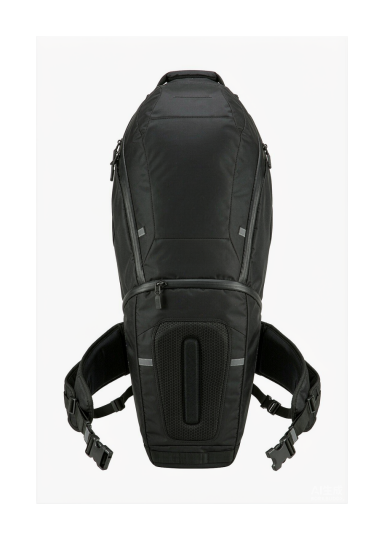
Choose the best motorcycle backpack by cargo role
Use a body-worn backpack only for a load that can remain close to the torso and stable through braking, turning and shoulder checks. The bag should not push the helmet, restrict the rider's arms, extend unpredictably into the airflow or create loose straps that can move near the motorcycle.
For a larger or heavier load, evaluate motorcycle-mounted luggage. Confirm the intended mounting points, the vehicle manufacturer's load limits, clearance from wheels, chain, exhaust, suspension and lights, and whether the attachment remains secure through the complete ride. If the product page does not explain the mounting method, do not invent one from product images.
Secure and balance the load before adding capacity
The National Highway Traffic Safety Administration advises riders carrying cargo to secure and balance the load and to adjust suspension and tire pressure for extra weight. Apply the motorcycle and tire manufacturers' instructions rather than using a generic setting. Extra space is not useful if it encourages a poorly controlled load.
Pack dense objects low and as close as the chosen cargo system allows, while respecting the equipment instructions. Prevent hard items from moving inside the bag. Test the setup at low speed in a controlled area before normal traffic and stop if the load changes handling, blocks movement or shifts after braking and turns.
Set capacity from the trip and contingency load
Create two lists: the normal ride load and the contingency load. Normal items may include tools approved for the motorcycle, documents, hydration, a layer and personal essentials. Contingency items depend on route, climate and support. Remove duplicates and items that do not have a clear purpose.
Trial-pack the complete list and confirm that the bag closes without excessive compression. Check whether rain gear or a wet layer can be isolated from electronics and clothing. A cylindrical duffel may handle bulky soft goods efficiently, while a body-worn backpack may provide more controlled personal-item access. Those are different roles, not interchangeable rankings.
Verify weather protection and closure details
Water-resistant, water-repellent and waterproof are not equivalent. Ask what construction and test support the wording: fabric coating, welded seams, roll-top turns, zipper design, valve and closure method can all affect the boundary. Even when the main material resists water, an opening or attachment point may remain vulnerable.
The CHUTIST HHB-240030 page identifies a 66L PVC motorcycle/travel bag with an exhaust valve, reflective strips, quick-release straps and an external fixing system. Use the 66L PVC motorcycle bag page to verify the current description. The page does not, by itself, prove that the bag should be worn on the body, provide a certified mounting method for every motorcycle or establish an IP rating.
Safety boundary: reflective elements can support visibility but do not guarantee that another road user will see the rider. Cargo capacity, waterproof wording and attachment hardware do not replace the motorcycle manufacturer's load and mounting instructions. |
Check access without creating roadside exposure
Keep documents, phone and an emergency contact method in a controlled location that can be reached only after stopping safely. Tools and repair items should be organized so one object can be removed without emptying the entire load near traffic. Items needed during the ride should be managed through safe riding practices, not by reaching into a bag while moving.
Also check the bag from the rider's seated position before moving. Confirm that it does not cover required lights or reflectors, contact hot or moving parts, press against the helmet, or prevent a normal shoulder check. Reinspect these clearances after the suspension settles under the complete load.
Complete a pre-ride cargo check
1. Confirm whether the load is body-worn or motorcycle-mounted and use only the intended attachment system.
2. Check the motorcycle, tire and luggage instructions for load limits, pressure, suspension and mounting requirements.
3. Secure loose ends and verify clearance from controls, wheels, chain, exhaust, suspension, lights and the rider's movement.
4. Confirm closures, weather protection for sensitive items and the separation of hard or leaking contents.
5. Test the complete load in a controlled area, stop and inspect it, and repeat the check after the first part of the trip.
Conclusion
The best motorcycle backpack is chosen by cargo role, not headline capacity. Keep a body-worn load compact and stable, or select purpose-appropriate motorcycle luggage for larger cargo. Then secure and balance the load, verify weather and attachment boundaries, protect access and complete a pre-ride inspection.
For a motorcycle-luggage sourcing project, share the cargo dimensions, motorcycle context and weather requirements with CHUTIST. Confirm the intended carry or mounting method, materials, closures, reflective elements, branding and project terms before relying on the final specification.
Source
·National Highway Traffic Safety Administration: Motorcycle Safety


