
Hot Air Balloon Basket Capacity vs Passenger Safety
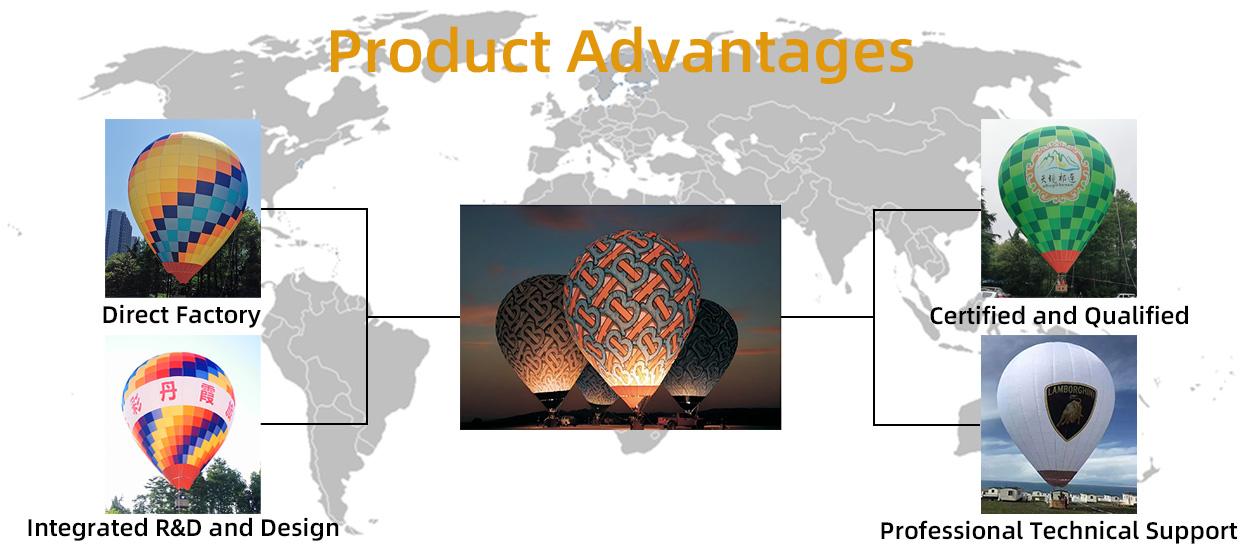
The basket is a critical structural component of a hot air balloon system. Its capacity directly affects passenger safety, stability, and operational limits. Understanding how basket capacity is defined and how it relates to safety standards is essential for commercial operators, tourism businesses, and training organizations. This technical guide explains the relationship between basket capacity and passenger safety.
Role of the Basket in Balloon Operations
The basket serves multiple safety functions:
Supporting passengers and pilot during flight
Housing fuel cylinders and operational equipment
Absorbing landing forces
Providing stability during launch and descent
Basket design must balance strength, weight, and passenger comfort.
How Basket Capacity Is Defined
Basket capacity is determined by several factors:
Structural load rating: Maximum allowable weight the basket can safely support
Internal layout: Number of compartments and standing positions
Floor reinforcement: Ability to distribute dynamic loads during landing
Attachment points: Connection strength between basket and suspension system
Capacity is not based solely on physical space but on certified load limits.
Passenger Safety Considerations
1. Weight Distribution
Uneven passenger distribution can affect balloon balance
Proper positioning ensures stable ascent and descent
Basket compartment design helps maintain weight symmetry
2. Standing Space and Stability
Adequate standing area reduces movement-related instability
Passengers must maintain stable posture during landing
Overcrowding increases the risk of imbalance
3. Handholds and Safety Features
Internal and external handholds improve passenger stability
Safety straps or reinforced edges reduce injury risk during landing
Non-slip flooring enhances control in varying conditions
Dynamic Loads During Landing
Unlike static load calculations, balloon baskets must withstand dynamic forces:
Vertical impact during landing
Horizontal drag under windy conditions
Sudden deceleration forces
Baskets are engineered with flexible materials and reinforced frames to absorb these forces without structural failure.
Regulatory and Certification Standards
Aviation authorities typically require:
Certified maximum passenger capacity
Structural testing under specified load conditions
Defined passenger weight assumptions
Compliance with operational manuals and limitations
Exceeding certified basket capacity violates safety regulations and significantly increases risk.
Operational Factors Affecting Safety
Flight duration: Longer flights require more fuel, reducing allowable passenger load
Environmental conditions: High temperature and altitude reduce lift margin
Pilot experience: Skilled pilots manage passenger positioning and landing techniques more effectively
Safe operations require conservative capacity planning.
Manufacturer Design Considerations
Experienced manufacturers, such as Nanjing Hongguang General Aviation Equipment Technology Co., Ltd., design baskets with:
Reinforced load-bearing structures
Optimized compartment layouts
Shock-absorbing base construction
Certified attachment systems
These features enhance passenger protection while maintaining operational efficiency.
Common Safety Mistakes
Filling baskets to physical space rather than certified load limits
Ignoring passenger weight variation
Underestimating landing impact forces
Operating beyond manufacturer specifications
Avoiding these mistakes significantly reduces operational risk.
Basket capacity and passenger safety are directly connected. Safe balloon operations depend on:
Certified structural load limits
Proper passenger distribution
Adequate safety features and handholds
Compliance with operational and regulatory standards
Understanding basket capacity as a safety parameter—not merely a passenger count—helps operators maintain stable flight performance and protect passengers during all phases of balloon operation.


