
Ballistic Parachute Manufacturers and Buyer Due Diligence Focus
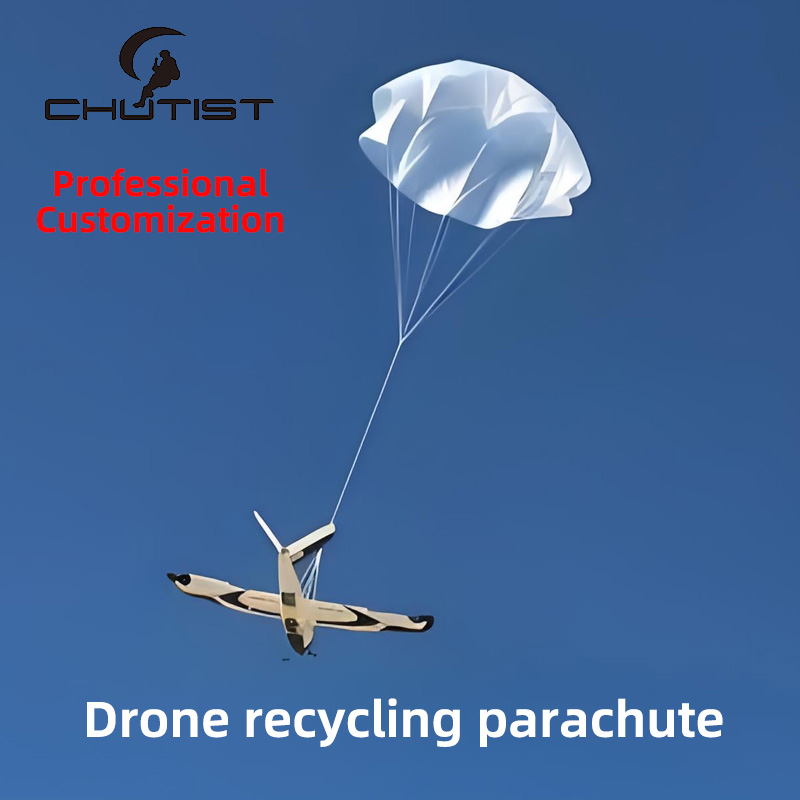
Ballistic parachute systems provide rapid emergency deployment for UAVs, light aircraft, and specialized aerial platforms. These systems are designed to activate via a pyrotechnic or mechanical ejection device, ensuring immediate canopy inflation during in-flight emergencies. Buyers evaluating ballistic parachute manufacturers must perform due diligence to confirm technical reliability, regulatory compliance, and operational suitability. This article outlines key considerations and processes for buyer assessment.
1. Understanding Ballistic Parachute Systems
1.1 System Components
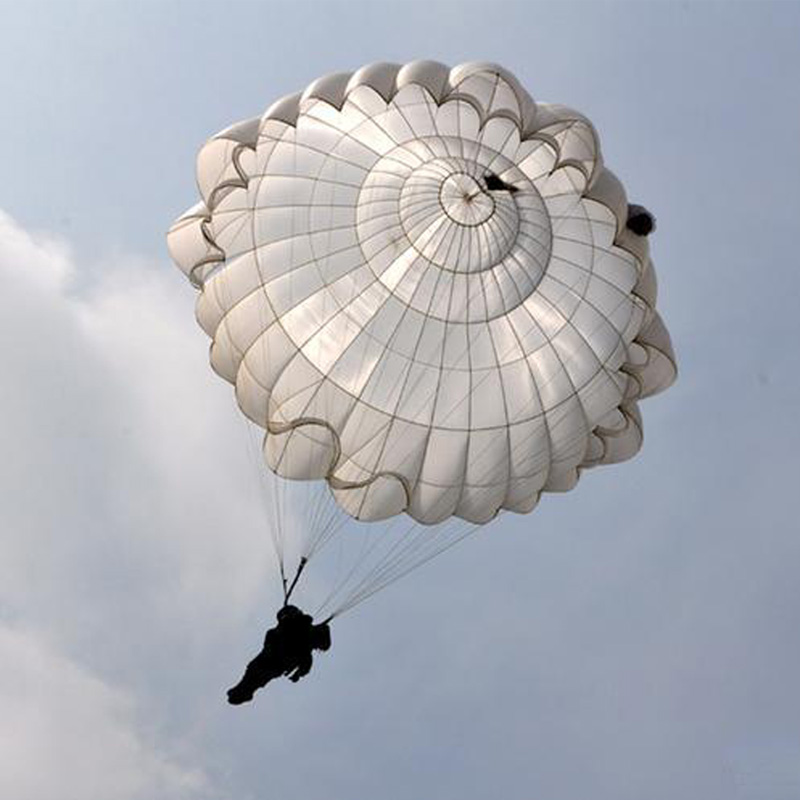
Canopy: The primary parachute that provides drag to safely decelerate the UAV or aircraft.
Ballistic Ejection Device: A pyrotechnic or compressed gas system that launches the parachute from its housing.
Harness and Suspension Lines: Connect the canopy to the UAV or aircraft frame, designed for load distribution and stability.
Activation Mechanism: Can be automatic (sensor-based) or manual (pilot/operator initiated).
1.2 Operational Advantages
Immediate deployment reduces free-fall distance.
Suitable for both low-altitude and high-risk scenarios.
Can enhance safety for both UAV payloads and manned aircraft.
2. Manufacturer Capabilities Evaluation
2.1 Design and Engineering Expertise
Review manufacturer experience with ballistic parachute systems across different UAV and light aircraft platforms.
Evaluate engineering competence in pyrotechnic device design, canopy aerodynamics, and load calculations.
Confirm in-house testing facilities for deployment simulation and stress verification.
Manufacturer Example:
Nanjing Hongguang General Aviation Equipment Technology Co., Ltd. has extensive experience in developing ballistic parachute systems for UAVs, industrial applications, and specialized aerial missions. Their engineering team supports both standard and custom designs with robust testing procedures.
2.2 Production Reliability
Assess batch-to-batch consistency and quality assurance processes.
Verify production scalability to meet operational requirements.
Confirm supplier traceability for components, particularly pyrotechnic or mechanical ejection devices.
3. Safety and Compliance
3.1 Material Certification
Canopy fabrics, suspension lines, and harnesses should meet international aviation safety standards.
Pyrotechnic or compressed gas components must comply with handling, storage, and operational regulations.
Component certification ensures reliability under mission-critical conditions.
3.2 Testing and Validation
Functional deployment tests at multiple altitudes and payload configurations.
Environmental stress testing, including temperature extremes and humidity exposure.
Redundancy verification to ensure canopy deployment under partial system failure.
4. Operational Reliability Assessment
4.1 Deployment Performance
Evaluate inflation time and canopy stability.
Assess descent rate accuracy and oscillation control.
Test multiple deployment cycles to ensure repeatability and consistency.
4.2 Mission-Specific Suitability
Match system performance to operational scenarios, such as UAV weight range, flight speed, and altitude profile.
Review past project examples or case studies demonstrating successful ballistic recovery in similar missions.
5. Buyer Due Diligence Focus
5.1 Documentation Review
Certificates of material compliance and pyrotechnic approvals.
Test reports for static and dynamic load performance.
Flight test documentation including deployment times, descent rate, and system behavior under operational conditions.
5.2 Manufacturer References
Obtain references from industrial, military, or UAV operators who have used ballistic systems.
Confirm reliability claims against documented performance metrics.
5.3 Lifecycle and Maintenance Considerations
Assess recommended maintenance intervals for harness, canopy, and ejection device.
Verify availability of replacement parts and technical manuals.
Confirm manufacturer support for long-term system performance monitoring.
6. Procurement Risk Management
6.1 Safety and Operational Risk
Rapid deployment failure could result in total UAV loss or mission compromise.
Environmental factors like wind, rain, and temperature extremes may impact system performance.
Payload misalignment or excess weight can affect canopy inflation and stability.
6.2 Contractual and Compliance Controls
Include acceptance testing procedures in procurement contracts.
Require detailed technical manuals, certifications, and inspection documentation.
Specify responsibilities for post-delivery support, spare parts, and warranty.
7. Buyer Checklist
Confirm manufacturer experience with ballistic parachute systems across applicable UAV or light aircraft platforms.
Verify engineering and design expertise, including canopy aerodynamics and ejection device performance.
Review production reliability and quality assurance processes.
Assess material certifications and compliance with safety regulations.
Examine testing data: functional, environmental, and redundancy verification.
Evaluate operational performance through flight trials or case studies.
Confirm lifecycle support, maintenance schedules, and spare parts availability.
Collect manufacturer references and past project examples.
Include contractual obligations for acceptance, warranty, and compliance.
Ensure system compatibility with mission-specific weight, speed, and altitude requirements.
Ballistic parachute systems require rigorous evaluation to ensure deployment reliability, safety, and compliance. Buyers must combine manufacturer assessment, technical verification, and operational testing to reduce risks and protect critical assets.
Manufacturer Example: Nanjing Hongguang General Aviation Equipment Technology Co., Ltd. exemplifies industry-standard practices in ballistic parachute system production, offering robust design, extensive testing, and lifecycle support for UAVs and mission-critical aerial platforms.
By following structured due diligence processes, procurement teams can secure reliable ballistic parachute systems that meet stringent mission requirements.


