
Backpack and Travel Integration for Efficient Packing and Mobility
Travel has become more flexible and fast-paced than ever before. Whether people are taking short business trips, weekend vacations, hiking adventures, or international journeys, backpacks have become an important part of modern travel. Compared with traditional luggage, backpacks offer better mobility, easier organization, and more comfort during movement.
The connection between Backpack and Travel is especially important for travelers who value efficiency and convenience. A well-designed backpack can improve packing organization, reduce carrying stress, and make transportation easier in airports, train stations, cities, and outdoor environments.
This guide explains how backpacks improve travel experiences, how to choose the right travel backpack, and how smart packing methods can make every trip more organized and comfortable.
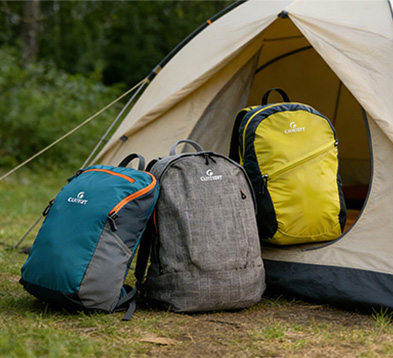
Why Travelers Prefer Backpacks for Modern Travel
Backpacks are now commonly used by travelers because they allow greater freedom of movement. Unlike rolling suitcases, backpacks can be carried comfortably across stairs, rough roads, crowded public transport, and outdoor trails.
One major advantage of backpacks is mobility. Travelers can move quickly through airports or busy city streets without worrying about uneven surfaces or limited storage space. Backpacks also keep both hands free, which is useful when handling tickets, phones, or other travel items.
Another reason backpacks are popular is flexibility. Many travel backpacks are designed with multiple compartments, laptop storage areas, anti-theft pockets, and lightweight materials. These features make them useful for both professional travel and outdoor activities.
For short trips, a backpack can often replace large luggage completely. This helps reduce baggage fees, simplify packing, and improve travel efficiency.
Choosing the Best Backpack for Different Types of Travel
Not all backpacks are designed for the same purpose. Choosing the correct backpack depends on travel style, trip length, and storage needs.
Business Travel Backpacks
Business travelers usually need organized compartments for laptops, chargers, documents, and office accessories. A clean and professional backpack design is also important for meetings and work environments.
Many business backpacks include:
Padded laptop sleeves
USB charging ports
Hidden anti-theft pockets
Water-resistant materials
These features help protect electronics while improving daily convenience.
Outdoor and Hiking Travel Backpacks
Outdoor travel backpacks focus more on comfort, durability, and gear storage. These backpacks often include breathable shoulder systems, chest straps, waist support, and large storage capacity.
Hiking backpacks are useful for:
Camping trips
Mountain hiking
Long outdoor adventures
Travel in changing weather conditions
Lightweight materials and balanced weight distribution help reduce fatigue during long-distance movement.
Carry-On Travel Backpacks
Carry-on backpacks are designed to meet airline cabin size requirements while maximizing internal storage. Many travelers now prefer backpack carry-ons because they are easier to move through airports and public transportation systems.
Good carry-on backpacks usually include:
Quick-access travel pockets
Compression straps
Separate clothing compartments
Easy laptop access for airport security checks
This type of backpack improves organization while reducing the need for checked baggage.
Lightweight Daypacks
Daypacks are smaller backpacks used for short travel activities, sightseeing, commuting, or casual daily use. These backpacks focus on lightweight performance and portability rather than large storage capacity.
Travelers often use daypacks for:
City exploration
Daily commuting
Short hiking trips
Theme parks and tourist activities
A compact backpack can improve comfort during long walking periods without carrying unnecessary weight.
Smart Packing Methods for Better Mobility
Efficient packing is one of the most important parts of successful travel. Poor organization can create discomfort, slow movement, and increase stress during transportation.
One useful method is placing heavier items close to the back panel. This improves balance and reduces shoulder pressure. Lightweight items such as clothing can be packed farther from the body.
Packing cubes are also widely used by experienced travelers. These organizers separate clothing, electronics, toiletries, and accessories into categories, making items easier to find quickly.
Another important tip is minimizing unnecessary items. Many travelers pack more than they actually use, which increases overall backpack weight and reduces mobility. Packing only essential clothing and travel equipment creates a more comfortable experience.
Efficient packing also helps protect fragile items. Electronics, cameras, and travel documents should be stored in padded or waterproof compartments whenever possible.
The relationship between Backpack and Travel becomes much more effective when organization and mobility are carefully balanced.
Features That Improve Backpack and Travel Efficiency
Modern travel backpacks include many features that improve comfort, storage, and convenience during travel.
Multiple Storage Compartments
Separate compartments help travelers organize clothing, electronics, toiletries, and travel accessories more effectively. Organized storage saves time during airport checks and hotel stays.
Lightweight Materials
Lightweight nylon fabrics reduce total carrying weight while maintaining durability. This is especially important for travelers who walk long distances or use public transportation frequently.
Water-Resistant Protection
Travel conditions can change quickly. Water-resistant coatings and protective zippers help protect important items from rain and accidental spills.
Breathable Carrying Systems
Mesh shoulder straps and ventilated back panels improve airflow and reduce discomfort during extended use. This feature is especially important in warm climates or during outdoor travel.
External Gear Attachments
Outdoor travel backpacks often include additional straps and loops for carrying water bottles, sleeping bags, trekking poles, or camping equipment.
These features improve the practicality and versatility of travel backpacks across different environments.
How to Pack Light Without Losing Important Items
Overpacking is one of the most common travel mistakes. Heavy backpacks reduce mobility and create unnecessary stress during transportation.
Packing light starts with choosing versatile clothing that can be used in different situations. Neutral-colored clothing and multi-purpose items reduce the total amount of luggage needed.
Travel-size toiletries also help save space. Many airlines have liquid restrictions, so compact travel containers are more practical for carry-on use.
Shoes often take up large amounts of backpack space. Limiting shoes to essential pairs can significantly reduce backpack weight.
Electronic devices should also be minimized whenever possible. Carrying fewer chargers, cables, and accessories creates a cleaner and lighter backpack setup.
A lighter backpack improves:
Walking comfort
Airport movement
Public transportation convenience
Outdoor travel flexibility
Minimalist packing strategies make travel simpler and more efficient.
Backpack Organization Tips for Airports and Public Transport
Airports, train stations, and buses require quick access to important items. Poor backpack organization can slow down movement and create unnecessary stress.
Travel documents such as passports, boarding passes, and identification cards should always remain inside quick-access pockets. Laptop compartments should also allow fast removal during airport security checks.
Many travelers also store:
Water bottles
Snacks
Headphones
Chargers
Mobile devices
inside external compartments for easy access during travel.
Security is another important factor. Anti-theft zippers, hidden pockets, and RFID-blocking compartments can help protect valuables in crowded transportation areas.
Well-organized backpacks improve travel speed, reduce frustration, and create a smoother overall experience.
FAQ About Backpack and Travel
What size backpack is best for travel?
For short trips, 15L to 30L backpacks are often enough. Longer trips may require 40L to 60L capacity depending on clothing and equipment needs.
Are backpacks better than rolling luggage?
Backpacks provide better mobility and flexibility, especially in crowded cities, airports, and outdoor environments.
How can I reduce backpack weight while traveling?
Pack only essential items, use lightweight clothing, and avoid carrying duplicate products.
What features are most important in a travel backpack?
Comfortable straps, organized compartments, durable materials, and water-resistant protection are some of the most important travel backpack features.
Conclusion
Backpacks have become an essential part of modern travel because they combine portability, organization, and comfort in one practical solution. Whether used for business trips, outdoor adventures, or daily commuting, the right backpack can improve mobility and simplify travel experiences.
By choosing the correct backpack type, organizing items efficiently, and packing only necessary gear, travelers can reduce stress and move more comfortably in different environments. As travel continues to evolve, smart backpack design and efficient packing methods will remain important for convenient and flexible travel lifestyles.


